Issue · Immigration

Immigration

Every immigration bill, vote, and legislator stance in Pennsylvania, automatically classified by Maddy, our AI policy reader.

Total bills
156
119th Congress
Top supporter
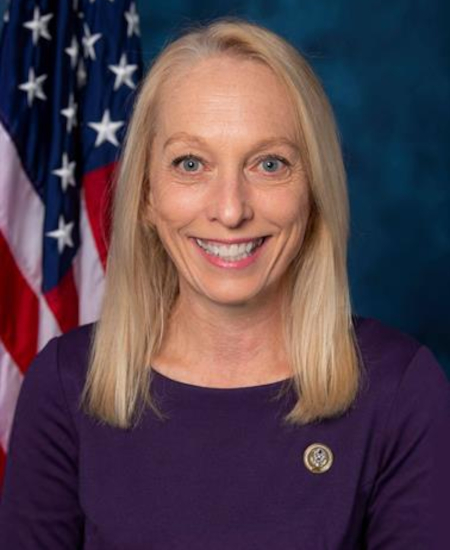
Mary Gay Scanlon
81% support rate
Top opponent
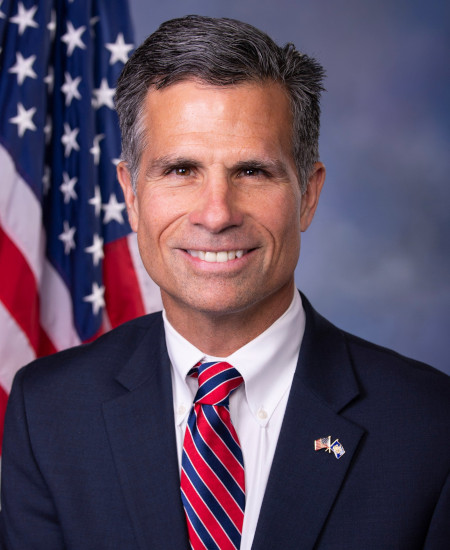
Daniel Meuser
17% support rate
Ranked legislators
10
5 support · 5 oppose
Key legislators

Who's moving immigration in Pennsylvania

Legislators moving immigration in Pennsylvania
Legislator Party Stance Support rate Votes
Mary Gay Scanlon
Mary Gay Scanlon House · District 5
D
Strong +
81% 148
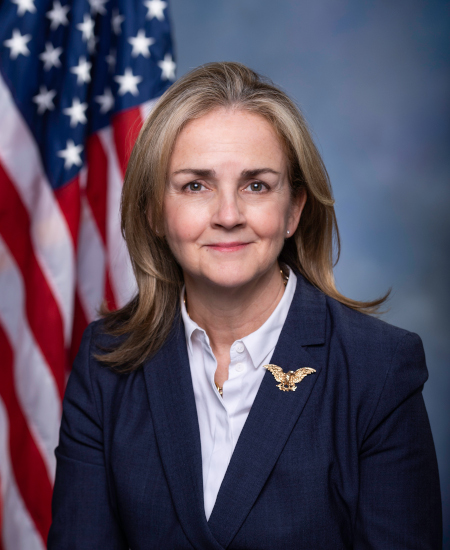
Madeleine Dean
Madeleine Dean House · District 4
D
Strong +
81% 147
Summer L. Lee
Summer L. Lee House · District 12
D
Strong +
81% 150
Dwight Evans
Dwight Evans House · District 3
D
Strong +
80% 145
Christopher R. Deluzio
Christopher R. Deluzio House · District 17
D
Support
70% 150
Daniel Meuser
Daniel Meuser House · District 9
R
Strong −
17% 141
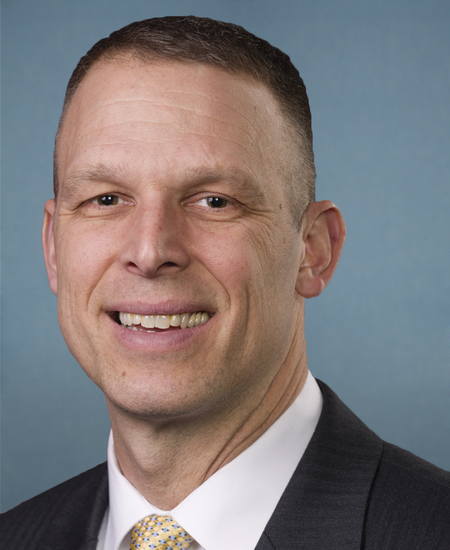
Scott Perry
Scott Perry House · District 10
R
Strong −
19% 148
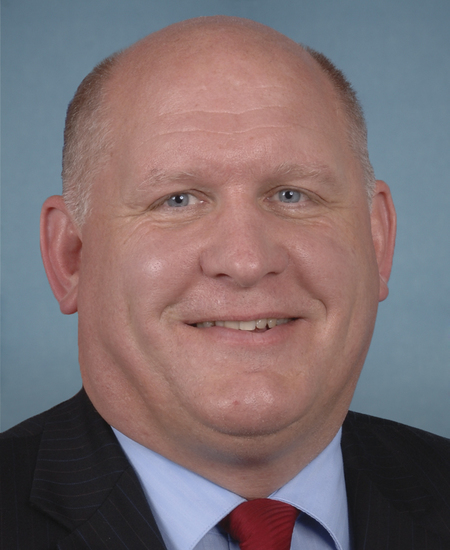
Glenn Thompson
Glenn Thompson House · District 15
R
Strong −
19% 146
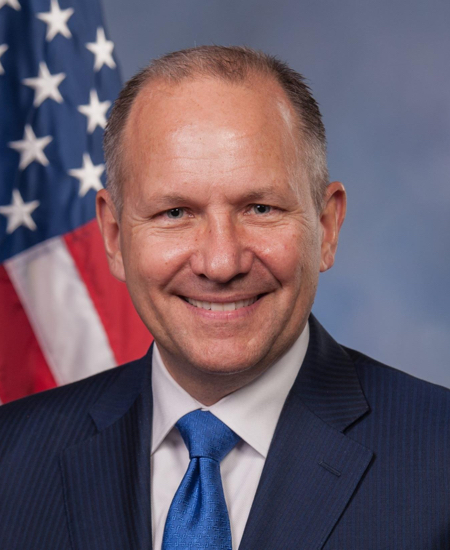
Lloyd Smucker
Lloyd Smucker House · District 11
R
Strong −
19% 146
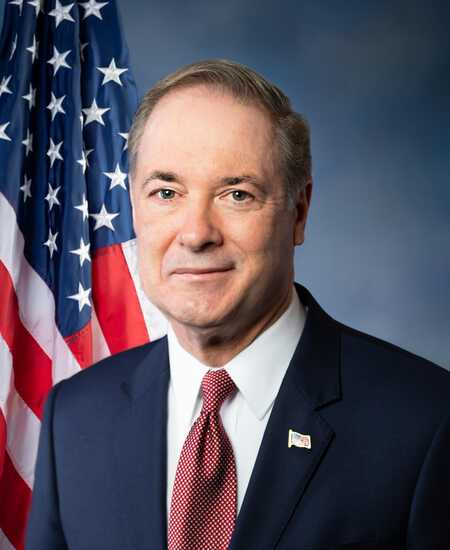
John Joyce
John Joyce House · District 13
R
Strong −
19% 150
Showing 1–10 of 156 bills

All immigration bills

passed · United States · House Sep 1, 2026

HRES 1490: Providing for the condemnation and denouncement of socialism in all its forms, and for other purposes.

This resolution states that the House of Representatives condemns and denounces socialism in all its forms, including the Democratic Socialists of America, and opposes the implementation of socialist policies in the United States; reaffirms its support for free, fair, and secure elections and calls for enactment of the SAVE America Act; reiterates that American elections are for American citizens only; and recommits itself to upholding the U.S. Constitution.
in committee · United States · House Aug 18, 2026

HR 10111: Oversight Access Act

The Oversight Access Act prohibits the Secretary of Homeland Security from blocking Members of Congress or their staff from entering immigration detention facilities for oversight purposes. The bill also forbids requiring advance notice for these visits and bans any temporary changes to a facility that would alter what visitors observe compared to normal conditions. If the Inspector General determines that the Secretary has significantly failed to follow these rules, they must report the violation to the House and Senate Judiciary Committees within 30 days.
in committee · United States · House Sep 2, 2026

HR 10222: No HUD Funding for Sanctuary Cities Act

This bill would prohibit any state or local government designated as a "sanctuary jurisdiction" from receiving grant funds distributed by the Department of Housing and Urban Development (HUD). A jurisdiction is defined as a sanctuary if it has laws, policies, or practices that restrict officials from sharing information about an individual's immigration status or from complying with federal requests to detain or notify about the release of individuals. The funding restriction would apply to grants distributed 180 days after the bill's enactment. To determine which jurisdictions qualify for this ineligibility, the HUD Secretary is required to consult with the Secretary of Homeland Security.
in committee · United States · House Aug 6, 2026

HR 10045: Protect American Values Act

The Protect American Values Act prohibits the use of federal funds to implement, administer, or enforce a specific Department of Homeland Security rule regarding the "Public Charge" ground of inadmissibility. This legislation directly affects immigrants and mixed-status families by preventing the government from using public benefits as a factor in determining eligibility for lawful permanent resident status. The bill includes a statement of congressional intent arguing that the targeted rule would restrict access to essential services like food, medical care, and housing, while also negatively impacting state and local economies. By cutting off funding for this specific policy, the act aims to maintain current immigration standards and prevent what Congress describes as an unauthorized reversal of long-standing law.
in committee · United States · House Aug 4, 2026

HR 10040: No TSA Data for ICE Act

This bill, titled the No TSA Data for ICE Act, prohibits the Transportation Security Administration from sharing passenger data with U.S. Customs and Border Protection or U.S. Immigration and Customs Enforcement. It specifically bars these agencies from using TSA information or data from private brokers to perform immigration enforcement functions. Additionally, the legislation prevents the denial, suspension, or early termination of Trusted Traveler programs like PreCheck and Global Entry if an individual's participation in First Amendment-protected activities is the reason. The law defines the restricted data as personally identifiable information about flight passengers obtained from the TSA or private sector entities.
in committee · United States · House Jul 23, 2026

HR 9824: Daycare Not Detentions Act of 2026

The Daycare Not Detentions Act of 2026 provides additional funding to the Department of Health and Human Services to support child care programs, including the Child Care and Development Block Grant, Head Start, and preschool development grants. These funds are intended to help states and organizations cover necessary expenses for these programs through fiscal year 2029. The bill also rescinds $70 billion in previously allocated money for U.S. Customs and Border Protection and U.S. Immigration and Customs Enforcement that has not yet been spent. Overall, the legislation redirects federal resources toward early childhood education and care rather than immigration enforcement activities.
in committee · United States · House Jul 23, 2026

HJRES 206: Proposing an amendment to the Constitution of the United States to require that any Representative or Senator be a natural born citizen.

This bill proposes adding a new requirement to the U.S. Constitution that only natural-born citizens can serve as members of the House of Representatives or the Senate. It would change the current rules by explicitly stating that anyone who is not a natural-born citizen is ineligible for these offices, though it allows current officeholders to finish their existing terms before the ban takes effect. If passed and ratified, this change would prevent naturalized citizens from ever holding a seat in Congress, regardless of how long they have lived in the country.
in committee · United States · House Jul 23, 2026

HR 9928: No Discounts for Foreigners Act

The No Discounts for Foreigners Act prohibits the Secretary of Homeland Security from waiving or reducing fees for U.S. citizenship applications, with the exception of current or former members of the Armed Forces. This law directly affects individuals seeking naturalization by ensuring they pay the full standard fee, while military personnel retain their existing fee reduction benefits. The bill removes the discretion to offer financial relief for citizenship applications but maintains special provisions for those who have served in the military.
in committee · United States · House Jul 22, 2026

HR 9853: Right to Learn Act of 2026

The Right to Learn Act of 2026 creates a grant program to help schools and community organizations support students and staff affected by immigration enforcement actions. Funds awarded by the Department of Education can be used to hire trauma-informed counselors, provide emergency assistance like food and legal referrals, and train educators on culturally responsive care. The bill strictly prohibits schools from collecting or sharing personal data about a student's immigration status and forbids denying services based on that status. Eligible recipients include public schools, early childhood programs, universities, and legal service providers, with a total funding authorization of $250 million over five years.
Sub-Topics Enforcement
in committee · United States · House Jul 16, 2026

HR 9745: Orlin’s Law

Orlin's Law requires immigration officials to identify detained parents and prioritize family unity by limiting detention when possible. The bill mandates that parents be allowed to make free calls and visits with their children, participate in family court proceedings, and access necessary documents to care for their dependents. It also establishes a new office within U.S. Immigration and Customs Enforcement to coordinate these protections and provides for community-based alternatives to detention. Additionally, the law creates a presumption that parental rights remain intact even if a child is separated from a detained parent and outlines specific steps to facilitate reunification upon removal.
Sub-Topics Detention
Showing 1 to 10 of 156 bills
1 2 3 16 Next