Issue · Criminal Justice

Criminal Justice (Probation & Parole)

Every criminal justice bill, vote, and legislator stance in Pennsylvania, automatically classified by Maddy, our AI policy reader.

Total bills
53
2025-2026 Regular Session
Top supporter
Ben Sanchez
83% support rate
Top opponent
John Lawrence
15% support rate
Ranked legislators
10
5 support · 5 oppose
Key legislators

Who's moving probation & parole in Pennsylvania

Legislators moving probation & parole in Pennsylvania
Legislator Party Stance Support rate Votes
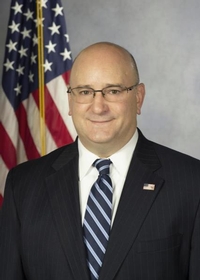
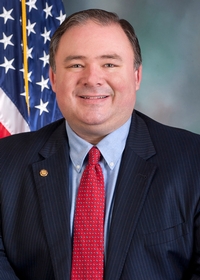
Ben Sanchez
Ben Sanchez House · District 153
D
Strong +
83% 24
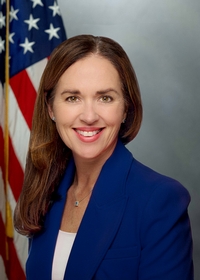
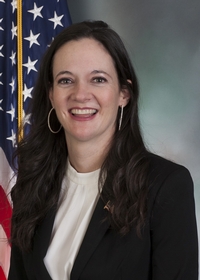
Bridget Malloy Kosierowski
Bridget Malloy Kosierowski House · District 114
D
Strong +
82% 17
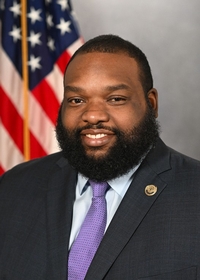
Jordan Harris
Jordan Harris House · District 186
D
Strong +
82% 17
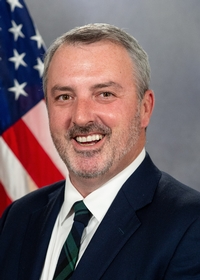
Kyle Donahue
Kyle Donahue House · District 113
D
Strong +
82% 22
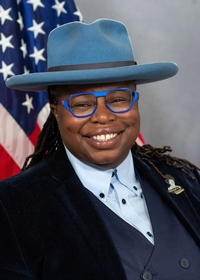
La'Tasha Mayes
La'Tasha Mayes House · District 24
D
Strong +
82% 22
John Lawrence
John Lawrence House · District 13
R
Strong −
15% 13
Stephanie Borowicz
Stephanie Borowicz House · District 76
R
Strong −
20% 20
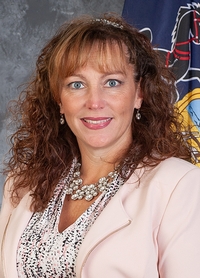
Ann Flood
Ann Flood House · District 138
R
Strong −
20% 15
Bryan Cutler
Bryan Cutler House · District 100
R
Strong −
20% 15
Clint Owlett
Clint Owlett House · District 68
R
Strong −
20% 15
Showing 31–40 of 53 bills

All criminal justice bills

in committee · Pennsylvania · Senate Mar 6, 2025

SB 387: An Act amending Titles 18 (Crimes and Offenses) and 61 (Prisons and Parole) of the Pennsylvania Consolidated Statutes, in authorized disposition of offenders, further providing for sentence for murder, murder of unborn child and murder of law enforcement officer and for sentence of persons under the age of 18 for murder, murder of an unborn child and murder of a law enforcement officer; and, in Pennsylvania Board of Probation and Parole, further providing for parole power.

SB 387 modifies Pennsylvania sentencing for murder offenses. It sets a minimum 25-year prison term for adults convicted of second-degree murder, murder of an unborn child, or murder of a law enforcement officer. For minors under 18 convicted of these crimes, it establishes minimum terms: 20 years for those aged 15+ at the time of offense, and 15 years for those under 15. The bill also restricts parole eligibility, requiring the Board of Probation and Parole to wait at least 20 years for offenders aged 15+ and 15 years for younger minors before considering parole, prioritizing public safety and victim safety.
passed both · Pennsylvania · House Jul 23, 2026

HB 1042: An Act amending Titles 18 (Crimes and Offenses), 42 (Judiciary and Judicial Procedure), 61 (Prisons and Parole) and 63 (Professions and Occupations (State Licensed)) of the Pennsylvania Consolidated Statutes, in crimes against unborn child, further providing for the offense of murder of unborn child; in arson, criminal mischief and other property destruction, further providing for the offense of arson and related offenses; in judicial boards and commissions, further providing for adoption of guidelines for sentencing; in posttrial matters, further providing for jurisdiction and proceedings; in sentencing, providing for sentence for general murder of the second degree, further providing for sentences for second and subsequent offenses and for life imprisonment for homicide, repealing provisions relating to transfer of inmates in need of medical treatment and providing for modification of an imposed term of imprisonment for reasons of illness; in general administration, providing for earned vocational training and education credit; in Pennsylvania Board of Probation and Parole, further providing for parole power, for short sentence parole, for parole procedure and for victim statements, testimony and participation in hearing; and, in powers and duties, further providing for consideration of criminal convictions.

House Bill 1042 creates a system in Pennsylvania allowing eligible incarcerated individuals to earn credits that reduce their minimum sentence. Inmates can receive sentence reductions for completing vocational training, educational programs like a GED or college degree, and other department-required programming. The bill sets specific credit amounts for different achievements, with a maximum limit of one-fourth of an inmate's minimum sentence. However, individuals convicted of certain serious offenses, such as murder or sexual assault, are excluded from earning these credits.
in committee · Pennsylvania · House Feb 20, 2025

HB 641: An Act amending Titles 42 (Judiciary and Judicial Procedure) and 61 (Prisons and Parole) of the Pennsylvania Consolidated Statutes, in sentencing, further providing for sentences for second and subsequent offenses; and, in Pennsylvania Board of Probation and Parole, further providing for parole power.

HB 641 requires individuals convicted of a "crime of violence" (as defined in the bill) and sentenced under Pennsylvania's second or subsequent offense provisions to serve 70% of their maximum sentence before becoming eligible for parole. This applies to serious offenses including murder, aggravated assault, sexual assault, robbery, and drug-related crimes resulting in death. The bill does not change the actual sentence length but modifies parole eligibility for repeat offenders in these categories. It affects only those convicted of specific violent crimes under the defined second or subsequent offense rules.
in committee · Pennsylvania · Senate Feb 3, 2025

SB 135: An Act amending Titles 18 (Crimes and Offenses), 42 (Judiciary and Judicial Procedure) and 61 (Prisons and Parole) of the Pennsylvania Consolidated Statutes, in authorized disposition of offenders, further providing for sentence of persons under the age of 18 for murder, murder of an unborn child and murder of a law enforcement officer; in sentencing, further providing for sentences for second and subsequent offenses; in miscellaneous provisions relating to inmate confinement, establishing the Life with Parole Reinvestment Fund; and, in Pennsylvania Board of Probation and Parole, further providing for parole power.

SB 135 changes sentencing for minors (under 18) convicted of certain murders. It mandates minimum 25- or 35-year prison terms (instead of life without parole) for those aged 15+ at the time of first-degree murder, murder of an unborn child, or murder of a law enforcement officer. The bill also establishes the Life with Parole Reinvestment Fund, which uses prison cost savings from parole decisions to fund victim services, offender reentry programs, and supervision. These changes affect minors convicted of specified violent crimes and modify parole procedures for life-sentence inmates. The fund transfers 25% to victim services, 25% to offender supervision, and 50% to reentry programs starting in 2026.
in committee · Pennsylvania · House May 29, 2025

HB 1506: An Act amending Title 61 (Prisons and Parole) of the Pennsylvania Consolidated Statutes, in miscellaneous provisions relating to inmate confinement, providing for communications services for inmates in State or county correctional institutions.

HB 1506 would require Pennsylvania state and county correctional facilities to provide affordable communication services, such as phone calls or video visits, for inmates. This bill directly affects incarcerated individuals and their families by improving access to regular contact. The key provision mandates that all correctional institutions must offer these services at reasonable rates, aiming to support family connections during incarceration. The bill is currently under review by the Communications & Technology committee.
in committee · Pennsylvania · Senate Mar 21, 2025

SB 493: An Act amending Title 42 (Judiciary and Judicial Procedure) of the Pennsylvania Consolidated Statutes, in bonds and recognizances, providing for cash bail prohibited, for conditions of release and for collection and report of pretrial release data; in sentencing, further providing for modification or revocation of order of probation; and abrogating regulations.

SB 493 prohibits cash bail for pretrial release in Pennsylvania, meaning courts cannot require defendants to pay money to be released before trial. Instead, judges may only order detention if the prosecution proves a felony defendant poses an immediate danger to others and no non-monetary conditions (like electronic monitoring) can ensure public safety. The bill also requires counties to collect and publish annual data on pretrial detention by race, gender, and ethnicity, and prevents probation revocation solely due to unpaid electronic monitoring fees. These changes directly affect defendants facing pretrial detention decisions and county courts managing release conditions.
in committee · Pennsylvania · Senate May 13, 2025

SB 740: An Act amending Title 61 (Prisons and Parole) of the Pennsylvania Consolidated Statutes, in medical services, repealing provisions relating to the Medical Services Program and providing for copays and fees prohibited; and abrogating regulations.

SB 740 amends Pennsylvania law concerning medical services for inmates in state correctional institutions. The bill repeals the existing "Medical Services Program," which currently requires inmates to pay copays and fees for their medical care. Instead, it explicitly prohibits the Department of Corrections from requiring inmates to pay any copay or fee for medical services provided to them. This change directly affects inmates by eliminating their financial responsibility for medical treatment and also abrogates related existing regulations.
in committee · Pennsylvania · Senate Feb 28, 2025

SB 360: An Act amending Title 61 (Prisons and Parole) of the Pennsylvania Consolidated Statutes, providing for solitary confinement.

SB 360 requires Pennsylvania's Department of Corrections to collect detailed data on solitary confinement use in state prisons, including duration, reasons for placement, and impacts on vulnerable inmates such as youth, elderly individuals, pregnant people, and LGBTQ+ inmates. The bill mandates annual public reports to the Governor and legislature containing aggregated statistics (like recidivism rates and self-harm incidents) without personally identifiable information. These reports and prison policies governing solitary confinement must be posted on the department's public website. The bill directly affects all state prison inmates, with specific tracking requirements for vulnerable populations.
in committee · Pennsylvania · Senate Mar 21, 2025

SB 54: An Act amending Titles 42 (Judiciary and Judicial Procedure) and 61 (Prisons and Parole) of the Pennsylvania Consolidated Statutes, in limitation of time, further providing for six months limitation; in matters affecting government units, further providing for exceptions to sovereign immunity, for limitations on damages and for exceptions to governmental immunity and providing for claims for compensation for wrongful conviction; in general administration, providing for services after wrongful conviction; and, in Pennsylvania Board of Probation and Parole, further providing for powers and duties of department.

SB 54 establishes a new process for individuals wrongfully convicted in Pennsylvania to seek financial compensation. To qualify, claimants must prove actual innocence through overturned convictions, pardons, or acquittals after retrial, and have served time for the crime. The bill creates a petition process in Commonwealth Court (without requiring attorneys) and specifies eligibility criteria (e.g., excluding accomplices or those who committed perjury) and compensation amounts based on time served. It also modifies immunity laws to ensure wrongful conviction claims aren't blocked by government defenses.
in committee · Pennsylvania · Senate Jul 31, 2025

SB 918: An Act amending Title 42 (Judiciary and Judicial Procedure) of the Pennsylvania Consolidated Statutes, in sentencing, providing for sentences for persons not to possess, use, manufacture, control, sell or transfer firearms.

SB 918 sets mandatory minimum prison terms for Pennsylvania residents convicted of illegal firearm possession. First-time offenders face at least 11 months in prison, repeat offenders get a minimum of 5 years for a second conviction, and those with two prior violations face a 15-year minimum. The law requires courts to verify prior convictions before applying these sentences and bars parole until the minimum term is served. It directly affects individuals convicted under Pennsylvania's firearm possession law (18 Pa.C.S. § 6105), particularly those with prior offenses.
Showing 31 to 40 of 53 bills
Previous 1 3 4 5 6 Next