

An Act amending Titles 18 (Crimes and Offenses), 42 (Judiciary and Judicial Procedure), 61 (Prisons and Parole) and 63 (Professions and Occupations (State Licensed)) of the Pennsylvania Consolidated Statutes, in crimes against unborn child, further providing for the offense of murder of unborn child; in arson, criminal mischief and other property destruction, further providing for the offense of arson and related offenses; in judicial boards and commissions, further providing for adoption of guidelines for sentencing; in posttrial matters, further providing for jurisdiction and proceedings; in sentencing, providing for sentence for general murder of the second degree, further providing for sentences for second and subsequent offenses and for life imprisonment for homicide, repealing provisions relating to transfer of inmates in need of medical treatment and providing for modification of an imposed term of imprisonment for reasons of illness; in general administration, providing for earned vocational training and education credit; in Pennsylvania Board of Probation and Parole, further providing for parole power, for short sentence parole, for parole procedure and for victim statements, testimony and participation in hearing; and, in powers and duties, further providing for consideration of criminal convictions.
House Bill 1042 creates a system in Pennsylvania allowing eligible incarcerated individuals to earn credits that reduce their minimum sentence. Inmates can receive sentence reductions for completing vocational training, educational programs like a GED or college degree, and other department-required programming. The bill sets specific credit amounts for different achievements, with a maximum limit of one-fourth of an inmate's minimum sentence. However, individuals convicted of certain serious offenses, such as murder or sexual assault, are excluded from earning these credits.
Bill status
passed both
4 of 5 stages cleared
Introduction
Mar 2025
Committee Review
Jul 2026
House Passage
Mar 2026
Senate Passage
Jul 2026
Governor
Introduced Mar 25, 2025
Last action Jul 23, 2026
Maddy AI version diff · 4 comparisons
What changed between versions
Printer's No. PN3766
→
Printer's No. PN3793
·
4 edits
MODERATE
This bill update refines sentencing guidelines for second-degree murder, specifically adding protections for victims under 13 and law enforcement officers who qualify for life without parole. It also clarifies the definition of 'crime of violence' to include new offenses like strangulation and trafficking, and adjusts eligibility criteria for earned vocational training credits. Additionally, the text corrects the bill's title and author list to reflect the most recent legislative history.
Scope change
The bill's scope regarding murder sentencing was expanded to include specific victim categories (children under 13 and law enforcement) for mandatory life sentences without parole, and the definition of 'crime of violence' was broadened to encompass additional serious offenses.
REQUIREMENT
Updated the mandatory life without parole sentencing criteria for second-degree murder to explicitly include victims who are children under 13 years old or law enforcement officers.
DEFINITION
Expanded the legal definition of 'crime of violence' to include new offenses such as strangulation, trafficking of persons, and ecoterrorism.
ELIGIBILITY
Adjusted the list of offenses that disqualify inmates from earning vocational training and education credits to align with the updated 'crime of violence' definition.
TECHNICAL
Corrected the bill header to remove the 'SENATE AMENDED' status and updated the sponsor list and amendment dates to reflect the current House version.
Floor votes · Senate Jul 12, 2026 · House Mar 23, 2026
How they voted
30–20
Passed
Total votes 50
Jul 12, 2026
D
Democratic23
82% Nay
R
Republican27
96% Yea
Vote distribution
All Yea
All Nay
Mixed
No data
Full legislative history
Actions timeline
Total actions
24
Key actions
11
Committee
10
Amendments
4
Jul 23, 2026
Lower · Passed
House concurred in Senate amendments, as amended by the House
lower
Jul 23, 2026
Lower · Passed
Re-reported on concurrence, as amended
lower
Jul 23, 2026
Lower · Passed
Amended in House Committee on Rules
lower
Jul 12, 2026
Committee
Referred to Rules
lower
Jul 12, 2026
Upper · Passed
Final passage
upper
Jul 12, 2026
Upper · Passed
Third consideration and final passage
upper
Jul 11, 2026
Upper · Passed
Re-reported as amended
upper
Jul 11, 2026
Committee
Re-referred to Rules & Executive Nominations
upper
Jul 11, 2026
Upper · Passed
Re-reported as committed
upper
Jul 11, 2026
Committee
Re-referred to Appropriations
upper
Jul 10, 2026
Upper · Passed
Reported as amended
upper
Mar 30, 2026
Committee
Referred to Judiciary
upper
Mar 23, 2026
Lower · Passed
Third consideration and final passage
lower
Mar 23, 2026
Lower · Passed
Re-reported as committed
lower
Feb 4, 2026
Committee
Re-committed to Appropriations
lower
May 5, 2025
Lower · Passed
Reported as committed
lower
Mar 25, 2025
Committee
Referred to Judiciary
lower
1 primary · 12 co-sponsors
Sponsors
Role
Legislator
Party
State
District
P

Napoleon Nelson
DDemocratic
Co

Andre Carroll
DDemocratic
Co
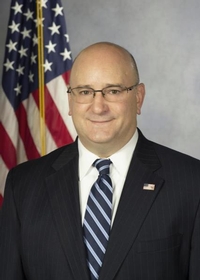
Ben Sanchez
DDemocratic
Co
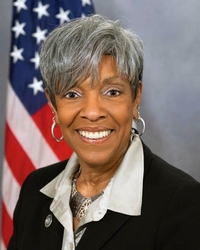
Carol Hill-Evans
DDemocratic
Co
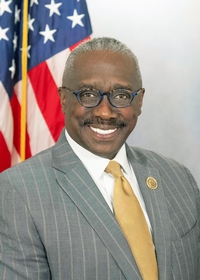
Dan Williams
DDemocratic
Co
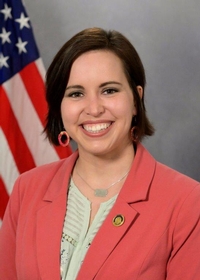
Emily Kinkead
DDemocratic
Co
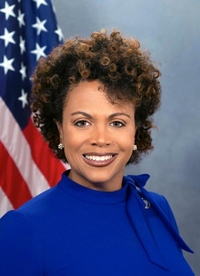
Gina Curry
DDemocratic
Co
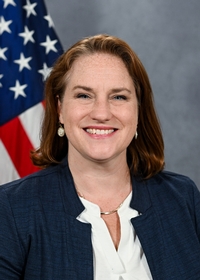
Heather Boyd
DDemocratic
Co
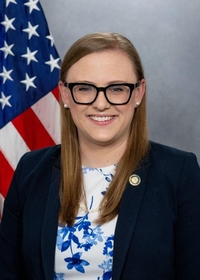
Jenn O'Mara
DDemocratic
Co

Malcolm Kenyatta
DDemocratic
Co
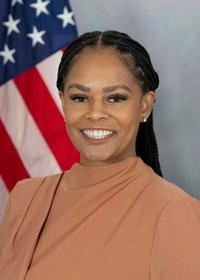
Morgan Cephas
DDemocratic
Ask Maddy
·
AI policy assistant
Ask Maddy about HB 1042
Scope: PA
Hi! I can help you understand HB 1042. What would you like to know?
Try one of these
i
Maddy answers using official bill text and legislative records. Always verify before sharing.
Sources cited inline