

Maddy summaryThe Southeast New England Program Authorization Act of 2026 creates a new grant program within the Environmental Protection Agency to support water quality and ecosystem projects in the coastal watersheds of Rhode Island and southeastern Massachusetts. This initiative allows eligible recipients, including state and local governments, tribes, nonprofits, and universities, to receive funding for activities such as reducing pollution, restoring habitats, and improving stormwater management. The bill authorizes up to $30 million annually from 2027 to 2031 for these projects, with a maximum federal share of 75 percent and specific limits on funds used for technical assistance and administrative costs. Additionally, the act requires the EPA Administrator to coordinate federal agency efforts and provide necessary staff to implement the program effectively.
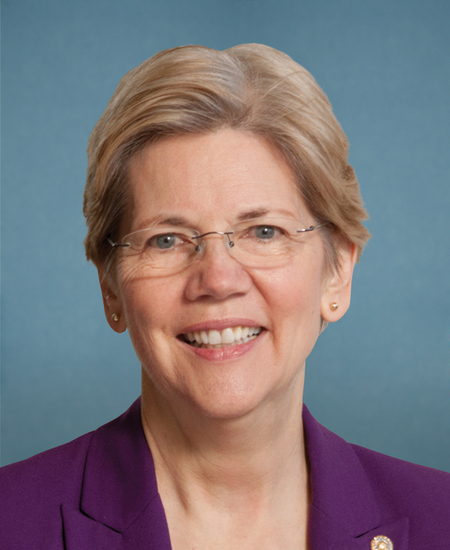
Sen. Elizabeth Warren
Sponsored bills
Maddy summaryThis resolution supports designating April 11-17, 2026, as "Black Maternal Health Week." The designation aims to bring national attention to the maternal and reproductive health crisis in the United States, specifically emphasizing the importance of reducing maternal mortality and morbidity among Black women and birthing people.
Maddy summaryThe Ending the Carried Interest Loophole Act changes how the IRS treats partnership interests given to employees for their work, specifically targeting financial managers and investment professionals. Under the new rules, these individuals must pay ordinary income tax on the value of their partnership shares at the time they receive them, rather than waiting until they sell the shares to pay lower capital gains taxes. The law also establishes a 10-year window during which any future profits earned from these shares are taxed as ordinary income instead of capital gains. Additionally, the bill repeals an existing tax provision that previously allowed certain carried interest payments to be classified as capital gains.
Maddy summaryThis Senate resolution (SRES 670) expresses support for the goals of the 2026 Day of Silence, an event designed to highlight anti-LGBTQI+ bullying, harassment, and discrimination faced by individuals in K-12 schools. It focuses on improving the educational environment for all students, particularly LGBTQI+ young people, by drawing attention to issues like unequal educational opportunity and a lack of civil rights protections. The resolution encourages states, cities, and local school districts to adopt laws and policies that explicitly prohibit bullying and discrimination against students, teachers, and other school staff based on their sexual orientation, gender identity, or sex characteristics.
Maddy summaryThe Ban Presidential Plunder of Taxpayer Funds Act prohibits current Presidents, Vice Presidents, their spouses, dependents, and associated entities from receiving any settlement payments or filing administrative claims for damages against the United States government. If current officials pursue lawsuits against the U.S., any awarded damages are limited to actual costs, and the process would require an independent counsel and public transparency. For former Presidents and Vice Presidents, the bill establishes strict new oversight, transparency, and congressional notification requirements for any claims they file after leaving office, ensuring career employees lead the review. This legislation aims to prevent high-ranking officials and their families from receiving certain government payouts while in office, with penalties for violations.
Maddy summaryThe Stop CHEATERS Act directs the Internal Revenue Service to increase its enforcement efforts against high-income individuals and large corporations while also expanding taxpayer support services. To achieve this, the bill appropriates billions of dollars over several years to fund IRS investigations, hire additional staff, purchase vehicles, and modernize outdated technology systems. Additionally, the legislation requires the IRS Commissioner to submit regular reports to Congress detailing plans to shift auditing resources toward wealthy taxpayers and analyzing collection gaps across different income levels.
Maddy summaryThis bill, titled the "Keep Public Funds in Public Schools Act," repeals two sections of the Internal Revenue Code. It eliminates Section 25F, which provides a tax credit for contributions made to scholarship granting organizations. Additionally, the bill repeals Section 139K, which allows certain educational assistance to be excluded from an individual's gross income. These changes primarily affect taxpayers who currently claim these credits or exclusions, and organizations involved in scholarship grants or providing educational assistance. The amendments generally take effect for taxable years ending after December 31, 2026.
Maddy summaryThe Educational Equity Challenge Grant Act of 2026 establishes a federal grant program to provide funding to local and state educational agencies, non-profit partnerships, and other eligible entities. These grants aim to address students' academic, social-emotional, mental, behavioral, and physical health needs, especially those exacerbated by the COVID-19 pandemic. Funds will support either evidence-based activities or innovative, educator-initiated proposals, with specific allocations for rural areas, low-income student populations, and tribal schools. Priority will be given to applicants serving high-need students, including those from low-income families, students of color, and students with disabilities, to promote equitable educational outcomes. Grant recipients must report on how funds were used and their effect on student learning and well-being.
Maddy summaryThe Senior Hunger Prevention Act of 2026 aims to improve food access for older adults, adults with disabilities, and kinship families by expanding and streamlining several federal nutrition programs. The bill extends SNAP certification periods, creates a standard medical expense deduction, and establishes simplified application processes for eligible seniors and individuals with disabilities. It also funds a new program to reimburse retail food stores for delivering groceries to these vulnerable populations and provides grants for outreach and application assistance. Additionally, the Act expands eligibility and increases funding for the Commodity Supplemental Food Program and the Seniors Farmers' Market Nutrition Program, including grants for market modernization and infrastructure development to support local food access.
Maddy summaryThis joint resolution seeks to reject a rule from the Bureau of Consumer Financial Protection that would remove a previous requirement for disclosing consumer complaint data. The bill directly affects the Bureau of Consumer Financial Protection by nullifying its proposed withdrawal of the disclosure rule. If passed, the earlier rule requiring the Bureau to make consumer complaint information public would remain in effect. The legislation uses a congressional disapproval process to override the agency's regulatory decision.