

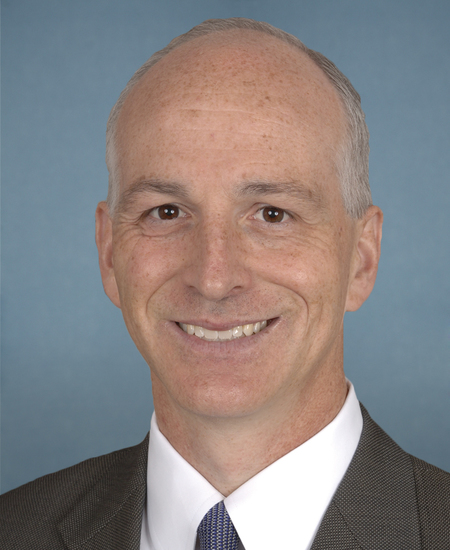
Photo of Adam Smith
D United States House · District 9 · Washington On the 2026 ballot

Rep. Adam Smith

Compare
Total votes
2,818
all sessions
Attendance
98%
54 missed
Lower than 77% of chamber peers
With party
98%
of cast votes
Higher than 86% of chamber peers
Bipartisan score
1%
crosses aisle rarely
Lower than 87% of chamber peers
Sponsored
1,271
bills & resolutions
Near the chamber average
Committees
1
assignment
1,271 bills and resolutions

Sponsored bills

Total
1,271
Primary
71
Co-sponsor
1,200
This page
1,271
matching current filters
Co-sponsor HR 8246
In committee · Oregon House · Co-sponsor
OHH SNAP Act of 2026

Maddy summaryThis bill, known as the OHH SNAP Act of 2026, would expand eligibility for the Supplemental Nutrition Assistance Program to include more college students. It directly affects students who are working while attending college or have no financial aid available. The key changes allow students with zero financial aid and those classified as independent to qualify for SNAP benefits, while also broadening the definition of eligible work activities to include attending school. These provisions would take effect 180 days after the bill is signed into law, but would not apply to certification periods that began before that date.

In committee Apr 9, 2026 1 co-sponsor
Co-sponsor HR 7658
In committee · Oregon House · Co-sponsor
Enhanced Cybersecurity for SNAP Act of 2026

Maddy summaryThe Enhanced Cybersecurity for SNAP Act of 2026 requires states to transition from magnetic stripe to chip-enabled EBT cards within 4-5 years, with specific deadlines for new cards and reissuing existing cards. It mandates states to provide multiple user interfaces for managing EBT accounts - including mobile-friendly web portals, text messaging, voice services, and nondigital options - all available 99% of the time in required languages. The bill requires states to provide real-time transaction notifications, access to historical transactions for the past year, and fraud reporting capabilities to SNAP recipients, while prohibiting PIN/password requirements that conflict with federal cybersecurity standards. It eliminates fees for replacing cards due to malfunction, fraud, or required upgrades and requires states to replace damaged or lost cards within 3 business days. Additionally, the bill includes a grant program to help retailers upgrade to chip-compatible payment terminals in areas with limited grocery access.

In committee Apr 3, 2026 1 co-sponsor
Co-sponsor HR 8175
In committee · Oregon House · Co-sponsor
To amend title 10, United States Code, and the National Defense Authorization Act for Fiscal Year 1994, to codify and clarify gender neutral standards for members of certain Armed Forces, and for other purposes.

Maddy summaryThis bill updates federal law to prohibit excluding military members from assignments or career fields based on their gender, affecting all branches of the U.S. Armed Forces. It requires the Secretary of Defense to submit annual reports detailing changes to occupational standards and data on involuntary reclassifications or separations, broken down by military job and gender. The legislation also modernizes how the military evaluates job requirements, mandating that standards be based on scientifically rigorous assessments of technical, tactical, cognitive, and physical abilities rather than gender. Additionally, it directs the Secretary of Defense to submit a full review of ground combat unit effectiveness to Congress and requires an independent audit of that review within 180 days.

In committee Apr 2, 2026 1 co-sponsor
Co-sponsor HR 8153
In committee · Oregon House · Co-sponsor
Maternal Vaccination Act

Maddy summaryThe Maternal Vaccination Act amends the Public Health Service Act to expand a federal campaign focused on increasing vaccination rates among pregnant and postpartum individuals and their children. This legislation directly affects public health programs by updating language to explicitly include these populations and directing funding toward outreach efforts that address disparities among racial and ethnic minority groups. Key provisions modify existing sections of the Public Health Service Act to broaden the campaign's scope and increase the authorized funding amount from $15 million to $17 million per fiscal year for the period 2027 through 2031. The bill aims to improve vaccination equity by ensuring federal resources specifically target maternal and pediatric immunization efforts.

In committee Mar 27, 2026 1 co-sponsor
Co-sponsor HCONRES 81
In committee · Oregon House · Co-sponsor
Recognizing the significance of equal pay and the disparity between wages paid to men and women.

Maddy summaryThis concurrent resolution formally recognizes the ongoing disparity between wages paid to men and women in the United States and reaffirms Congress's commitment to supporting equal pay. It highlights statistical data showing that women earn approximately 81 cents for every dollar earned by men, with significant variations across racial and ethnic groups, and notes that the gender wage gap has widened over the past two years. The document also identifies contributing factors such as occupational segregation, lack of family-friendly workplace policies, and workplace harassment, while emphasizing the economic impact on women's retirement security and family incomes.

In committee Mar 26, 2026 1 co-sponsor
Co-sponsor HR 8085
In committee · Oregon House · Co-sponsor
Ultra-Millionaire Tax Act of 2026

Maddy summaryThis bill establishes a new annual wealth tax on individuals with net assets exceeding $50 million, requiring them to pay a percentage of their total asset value each year. The tax applies a 2 percent rate to assets between $50 million and $1 billion, with a higher rate of 3 percent or 6 percent on assets above $1 billion depending on whether a universal health insurance program is enacted. Married couples are taxed as a single unit, and certain assets like primary residences and small personal items are excluded from the calculation. The legislation also mandates enhanced reporting requirements for asset values, requires the IRS to audit at least 30 percent of taxpayers subject to this tax annually, and authorizes $100 billion in funding over ten years to support enforcement and administration of the new tax system.

In committee Mar 25, 2026 1 co-sponsor
Co-sponsor HR 8074
In committee · Oregon House · Co-sponsor
Kira Johnson Act

Maddy summaryThe Kira Johnson Act establishes a federal grant program to support community-based organizations in improving maternal health outcomes for populations facing higher rates of maternal mortality and health disparities. It allocates $100 million annually from 2027 to 2031 for grants that fund programs addressing social determinants of health, culturally congruent care, and support for midwifery practices. The bill also creates a separate $5 million annual funding stream for training all maternity care employees on bias reduction, trauma-informed care, and respectful service delivery. Additionally, the legislation requires hospitals and health systems to establish compliance programs that allow patients to report bias and mandates regular public reporting on these efforts. A study by the National Academies and ongoing evaluation by the GAO will assess the effectiveness of these initiatives in improving patient experiences and health outcomes for pregnant and postpartum individuals from racial and ethnic minority groups.

In committee Mar 25, 2026 1 co-sponsor
Co-sponsor HR 8080
In committee · Oregon House · Co-sponsor
Data to Save Moms Act

Maddy summaryThe Data to Save Moms Act aims to improve maternal health outcomes by increasing funding and support for maternal mortality review committees across the United States. The bill provides $10 million annually from 2027 to 2031 to help these committees recruit more diverse community members, including people with personal experiences of maternal mortality or severe health complications, and to address barriers like transportation and compensation that prevent participation. It also requires committees to conduct outreach to racial and ethnic minority communities and publicly report on their review processes and diversity efforts. Additionally, the legislation directs the Health and Human Services Secretary to study maternal health data collection methods, conduct a specific study on American Indian and Alaska Native maternal health outcomes, and award grants to minority-serving institutions for research on maternal mortality disparities.

In committee Mar 25, 2026 1 co-sponsor
Co-sponsor HR 8089
In committee · Oregon House · Co-sponsor
Perinatal Workforce Act

Maddy summaryThe Perinatal Workforce Act directs the Department of Health and Human Services to issue guidance encouraging hospitals, insurers, and maternity care providers to recruit and retain diverse healthcare professionals, including midwives, physician assistants, and perinatal health workers, while incorporating implicit bias and racism training into their practices. The bill authorizes $15 million annually from 2027 to 2031 for grants that establish or expand accredited education programs for perinatal health professionals, prioritizing schools that recruit students from racial and ethnic minority groups and those planning to practice in areas with maternal health disparities. Additionally, the legislation creates a separate grant program for nursing schools to provide scholarships to students pursuing careers in maternal and perinatal health, with similar diversity and training requirements. The act also requires the Secretary of HHS to conduct a study on respectful maternity care practices and mandates periodic reports from the Government Accountability Office on barriers to maternal health education and access to care.

In committee Mar 25, 2026 1 co-sponsor
Co-sponsor HR 8055
In committee · Oregon House · Co-sponsor
Extending WIC for New Moms Act

Extending WIC for New Moms Act This bill amends the Special Supplemental Nutrition Program for Women, Infants, and Children (WIC) to extend the eligibility periods for breastfeeding and postpartum women. Specifically, a state program may elect to certify a breastfeeding woman for up to 24 months (currently 1 year) postpartum. The bill also expands the eligibility period for postpartum women to up to 24 months after termination of pregnancy (currently 6 months). The Department of Agriculture must submit a report to Congress evaluating the effect of these changes to the program on (1) maternal and infant health outcomes, (2) breastfeeding rates, and (3) qualitative evaluations of family experiences under WIC.

In committee Mar 24, 2026 1 co-sponsor
Showing 61 to 70 of 1,271 bills
Previous 1 6 7 8 128 Next