

Maddy summaryThis bill appropriates $15 billion in emergency funding for flood recovery in Texas following 2025 flooding events. The funds, designated as an emergency requirement under federal law, are for FEMA to cover costs under the Stafford Act, directly supporting Texas residents and communities affected by the floods. Key provisions include mandatory reporting every six months on fund distribution (geographically and by assistance type), unmet needs, and barriers to aid, with all funds required to be spent by September 30, 2028. The bill does not create new programs but allocates existing emergency funds for immediate recovery efforts.
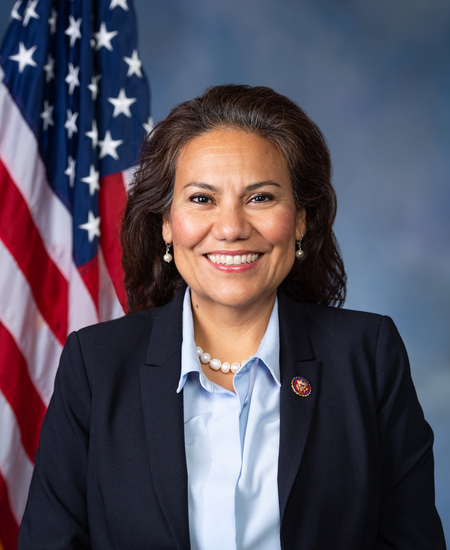
Rep. Veronica Escobar
Sponsored bills
Maddy summaryHR 4734, the "Hands Off Our Social Security Act," prohibits federal actions that would alter Social Security benefits, data handling, workforce levels, office locations, or communication systems without explicit congressional approval. It directly protects Social Security beneficiaries and the Social Security Administration (SSA) by banning unauthorized changes to benefits, data mining, privatization, staff cuts, office closures, or reduced phone/in-person services. Key provisions require Congress to approve any modifications to benefits, workforce reductions, or office closures, and mandate the SSA to maintain existing communication channels. The bill also mandates annual GAO audits to ensure compliance with these restrictions. This legislation focuses on preserving current Social Security operations and access, not creating new benefits or altering eligibility.
Maddy summaryH.J. Res. 108 proposes a constitutional amendment to remove legal immunity for federal officials, including the President, from criminal prosecution for actions taken while performing official duties. It would prohibit the President from granting pardons to themselves and eliminate the defense that "official authority" excuses violations of federal or state law (with limited exceptions for certain congressional actions). If ratified, this amendment would require Congress to pass implementing laws to enforce these changes. The proposal is currently in the House Judiciary Committee and requires approval by three-fourths of state legislatures to become part of the Constitution.
Maddy summaryHR 4606, the Ally’s Act, requires private health insurance plans (including employer-sponsored plans and individual coverage) to cover hearing implants and related services. It directly affects people with hearing loss who need cochlear implants, bone conduction devices, or external sound processors, as determined by a physician or audiologist. The bill mandates coverage for devices, maintenance, repairs, upgrades every 5 years, hearing assessments, surgery, and rehabilitation - without separate cost-sharing or stricter limits than other medical services. Insurers cannot deny coverage if a provider deems the service medically necessary. The law applies to all applicable health plans and takes effect for plan years beginning January 1, 2026.
Maddy summaryThis bill prohibits life, disability, and long-term care insurers from denying coverage, canceling policies, or increasing premiums based solely on a person's status as a living organ donor. It directly protects living organ donors by preventing insurance discrimination unrelated to actual health risks. The bill also requires the Health and Human Services Secretary to update public educational materials about organ donation benefits, risks, and insurance impacts within six months of enactment. These materials will include information on the new insurance protections established by the bill. The law relies on state insurance regulators for enforcement of the insurance provisions.
Maddy summaryThis bill clarifies and strengthens the 340B drug discount program, which allows community health centers, hospitals, and clinics (covered entities) to purchase medications at discounted prices. It explicitly requires drug manufacturers to offer these discounts regardless of where drugs are dispensed (including through contracted pharmacies) and prohibits manufacturers from adding conditions that restrict how covered entities use these discounts - such as limiting delivery locations or demanding extra data. The bill also establishes civil penalties of up to $2 million per day for manufacturers who violate these rules, and allows covered entities to file claims for violations. This directly affects safety-net providers who rely on 340B savings to access specialty drugs (like cancer treatments) for patients in underserved communities.
Maddy summaryThis bill amends the Family and Medical Leave Act (FMLA) and federal employee leave rules to clarify that recovery from organ donation surgery qualifies as a "serious health condition." It directly affects private-sector workers covered by the FMLA and federal civil service employees. The key change adds "including recovery from surgery related to organ donation" to the definitions of serious health conditions in both the FMLA and federal leave statutes. This ensures eligible employees can use their existing family and medical leave benefits to recover after donating an organ, without requiring new leave entitlements.
Maddy summaryThe Price Gouging Prevention Act of 2025 prohibits selling goods or services at grossly excessive prices during exceptional market shocks like natural disasters, energy shortages, or public health emergencies. It creates a presumption of violation when companies with "unfair leverage" (revenue over $1 billion, dominant market position, or other factors) increase prices beyond normal market fluctuations. The law requires public companies to disclose detailed pricing information in SEC filings during these emergencies, including explanations for price increases and how costs affected pricing. The Federal Trade Commission and state attorneys general would enforce the law, with civil penalties up to 5% of a company's revenue for violations. The bill also appropriates $1 billion to fund FTC enforcement efforts.
Maddy summaryThis bill prohibits federal and state governments from restricting access to FDA-approved medicines. It guarantees individuals the right to obtain these medicines without coercion and allows healthcare providers (like doctors and pharmacists) to prescribe or refer for them. The law blocks governments from implementing rules that single out or hinder the sale, provision, or use of FDA-approved drugs, such as bans on specific medicines or barriers to patient access. It does not affect the FDA's drug approval process or existing health insurance coverage requirements.
Maddy summaryHR 4498 increases the annual funding cap for the Colonia Set-Aside Program from $1 million to $2 million. This change directly affects colonias - unincorporated, low-income communities along the U.S.-Mexico border that often lack basic infrastructure like water and sewage systems. The bill amends Section 916(e)(4) of the Cranston-Gonzalez National Affordable Housing Act to raise the funding limit. This adjustment provides more resources to support housing improvements in these underserved border areas.