

Maddy summaryThe No WAR Act prohibits Congress from using budget reconciliation procedures to fund military hostilities against Iran unless such actions are explicitly authorized by a formal declaration of war or a specific authorization for the use of military force. This legislation directly affects the legislative process by establishing a point of order that blocks any reconciliation bill attempting to provide budget authority for offensive military operations, strikes, or covert actions targeting Iranian military forces, territory, or government institutions. The bill also defines proxy forces as any foreign military or irregular groups operating with U.S. direction or material support, ensuring these entities are included in the restrictions on unauthorized funding. By amending the Congressional Budget and Impoundment Control Act, the measure aims to prevent the use of budgetary shortcuts to bypass the constitutional requirement for congressional approval before engaging in armed conflict with Iran.
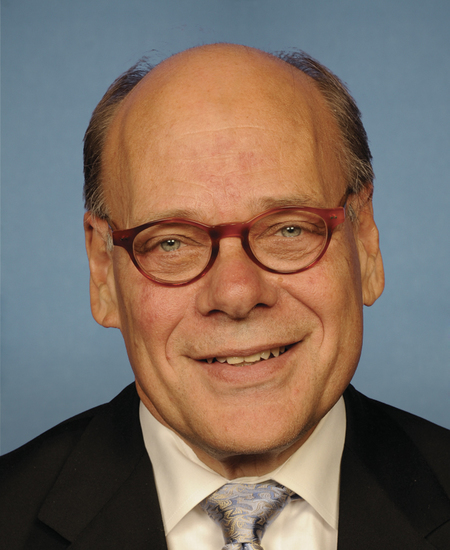
Rep. Steve Cohen
Sponsored bills
Maddy summaryThis bill, titled the Protecting Human Rights and Public Health in Foreign Assistance Act, aims to cancel specific regulations issued by the Department of State. It directly affects the federal government by prohibiting any department or agency from enforcing, implementing, or proposing rules related to protecting life, combating discriminatory equity ideology, and combating gender ideology in foreign aid programs. The legislation treats these cancelled rules as if they never existed, effectively nullifying their impact on future foreign assistance policies.
Maddy summaryThis resolution officially designates the week of April 24 through April 30 as the annual "National Reentry Week" to raise awareness about the challenges formerly incarcerated individuals face when returning to society. The bill highlights the need for better support systems, such as access to housing, education, job training, and mental health services, to help reduce recidivism rates. It encourages the Department of Justice and the Bureau of Prisons to coordinate reentry efforts and engage in related events during this designated week. While the measure does not change laws or allocate funding, it serves to focus national attention on policies that promote successful reintegration and public safety.
Maddy summaryThe Second Look Act of 2026 allows federal courts to reduce prison sentences for individuals who have served at least 10 years in custody for offenses carrying a term of more than 10 years. To qualify, a defendant must demonstrate that they are no longer a danger to the community and are ready to reenter society, with special consideration given to those aged 50 or older who face a legal presumption in their favor for release. The process requires a formal application, a hearing where evidence regarding rehabilitation and age-related decline in criminality is presented, and the appointment of a lawyer for those who cannot afford one. If approved, the court may shorten the prison term while maintaining the original period of supervised release, and the United States Sentencing Commission will publish annual reports on the number of people granted or denied these reductions.
Maddy summaryThis bill authorizes the Attorney General to create a grant program that funds community-based organizations to establish "One Stop Shop" centers for formerly incarcerated individuals. These centers would provide a single location for comprehensive services, including job training, housing assistance, legal aid, and mental health support, while requiring applicants to develop needs assessments and plans for transportation and stakeholder collaboration. Additionally, the legislation authorizes funding for toll-free, 24/7 hotlines that connect people in need with local reentry resources and offer guidance on navigating the system. The program includes strict requirements for data collection and reporting to Congress to track outcomes such as recidivism rates and employment success, with a preference for hiring formerly incarcerated individuals to run these initiatives.
Maddy summaryThis bill, known as the Directly Impacted Child Rehab and Safety Act, modifies federal laws to adjust how children are processed within the juvenile justice system. It raises the minimum age for federal juvenile delinquency proceedings from 12 to 13 and increases the age threshold for transferring older juveniles to adult criminal court from 15 to 16, with specific exceptions for serious violent crimes. The legislation also requires courts to consider factors such as a child's exposure to trauma and their role in an offense before deciding on transfers or sentencing. Additionally, the bill mandates the collection of detailed statistics on children in federal custody and authorizes grants to help state agencies better coordinate between child welfare and juvenile justice systems to support vulnerable youth.
Maddy summaryThis bill amends the Marine Mammal Protection Act to require federal officials to identify marine mammal species and populations facing population declines due to climate change. It mandates the creation of specific management plans for these species, which must include strategies to reduce human impacts, monitor interactions with fisheries, and improve habitat resiliency. The legislation also establishes a new monitoring program to track climate effects and authorizes funding for these conservation efforts from 2027 through 2031.
Maddy summaryThis House Resolution expresses support for the staff of public, school, academic, and special libraries across the United States and the essential services they provide to communities. It recognizes libraries as critical infrastructure and supports prioritizing full funding for their services at federal, state, and local levels. The resolution also reaffirms the public's right to access information, the right of library workers to organize and collectively bargain, and their civil rights to perform their duties without intimidation.
Maddy summaryThis bill requires developers of artificial intelligence data centers to publicly disclose project details, such as location and environmental impact, at least 180 days before taking definitive construction steps. To ensure community awareness, the legislation mandates that developers engage local media, post on social media, send direct mail, place physical signs at the site, and provide materials in multiple languages. Additionally, the bill restricts the use of non-disclosure agreements with government entities and requires independent third-party environmental impact analyses funded by the developers. The Federal Trade Commission is designated as the enforcement agency, with violations treated as unfair or deceptive acts under existing federal law.
Maddy summaryHouse Resolution 1208 expresses the House of Representatives' support for honoring Earth Day and its historical role in promoting environmental protection and action. It encourages American citizens to engage in environmental stewardship and urges the President and the U.S. Government to take immediate action to address climate change, environmental injustices, and rejoin international climate agreements.