

Maddy summaryHR 649, the Whole Milk for Healthy Kids Act of 2025, amends the National School Lunch Act to allow schools participating in the program to offer students both organic and non-organic whole milk, in addition to reduced-fat, low-fat, and fat-free options. Key provisions include clarifying that milk fat in whole milk should not count toward saturated fat limits for meal compliance, prohibiting schools from purchasing milk from Chinese state-owned enterprises, and ensuring schools cannot be barred from offering the full range of milk types listed. The bill directly affects public and private schools serving the National School Lunch Program by expanding their milk options for students. It focuses on concrete policy changes to dietary offerings and sourcing restrictions within the school nutrition program.
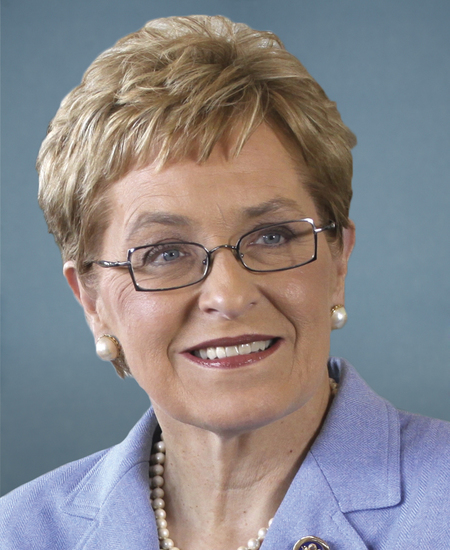
Rep. Marcy Kaptur
Sponsored bills
Maddy summaryHRES 473 is a non-binding House resolution calling on the U.S. government to urgently use diplomatic efforts to ensure food and medical supplies reach civilians in Gaza. It directly addresses the needs of approximately 2.2 million Palestinians facing acute hunger, including 10,000 children identified with acute malnutrition, following a border blockade that blocked aid from March to May 2025. The resolution specifically urges the White House and State Department to secure "immediate and secure delivery and disbursement" of aid and a lasting end to the conflict, citing collapsed bakeries, exhausted food rations, and a near-total health system collapse.
Maddy summaryHRES 465 is a resolution expressing the House of Representatives' support for Congress to enact the Older Americans Bill of Rights. It calls for future legislation establishing specific rights for older Americans, including access to dignified healthcare (like affordable prescriptions and caregiver support), financial security (such as strengthened Social Security), and community participation (like accessible housing and voting). The resolution itself does not create new laws but urges Congress to draft such a bill. It directly addresses older Americans, particularly those facing poverty, health disparities, or isolation, based on cited statistics about their challenges.
Maddy summaryThe Gold Star Spouses Health Care Enhancement Act removes a three-year waiting period that previously prevented surviving spouses of military members who died in the line of duty (known as Gold Star spouses) from immediately accessing TRICARE Prime medical and dental benefits. The bill amends existing law to eliminate this time limit, allowing these spouses to qualify for coverage without delay, regardless of when their military spouse died. This change applies retroactively to all affected spouses, even if the death occurred before the bill's enactment. The legislation directly expands health care access for Gold Star spouses by removing a key barrier to receiving military health benefits.
Maddy summaryHRES 441 is a symbolic House resolution expressing support for designating May 2025 as "Mental Health Awareness Month." It does not create new laws, allocate funding, or change existing policies - it solely aims to raise public awareness about mental health challenges. The resolution cites statistics on rising mental health issues (including youth depression, suicide rates, and disparities in care access) to underscore the need for greater attention. It encourages the public, schools, and organizations to use the month to promote mental well-being and reduce stigma, but contains no concrete policy changes or mandates.
Maddy summaryHR 3505, the Barriers to Suicide Act of 2025, creates a federal grant program administered by the Department of Transportation to fund the installation of proven safety barriers and nets on specific high-risk structures. The program provides competitive grants (up to 80% federal funding) to states, local governments, or other eligible entities for projects installing suicide deterrents on bridges, buildings, parking garages, highway-rail crossings, or rail stations. It prioritizes areas with high suicide rates and mandates a study by the Comptroller General to evaluate effective deterrents for non-bridge structures and their costs, with a report due within one year of enactment. The bill authorizes $10 million annually from 2026-2030 for this initiative.
Maddy summaryHR 3493, the Global Fairness in Drug Pricing Act, requires the U.S. Health and Human Services Secretary to establish price targets for pharmaceutical manufacturers, ensuring U.S. drug prices align with those in comparable developed countries. It directs the HHS Secretary to certify safe importation of drugs from low-cost countries and facilitate direct-to-consumer purchasing programs at the set prices. The bill also authorizes antitrust enforcement against drug companies for anticompetitive practices and mandates a study on whether manufacturers engage in unfair pricing that forces U.S. patients to subsidize global drug research. This legislation directly affects pharmaceutical manufacturers and American patients seeking affordable prescription drugs.
Stronger Communities through Better Transit Act This bill requires the Department of Transportation (DOT) to establish a grant program to support operating projects for public transportation and related service improvements, particularly in underserved communities and areas of persistent poverty. Specifically, the bill requires DOT to allocate funding under the program for urbanized areas, states, and Indian tribes that are recipients of funds under either the Federal Transit Administration's (FTA's) Urbanized Area Formula Funding program or Formula Grants for Rural Areas program. Eligible recipients may use funding for operating costs associated with projects that improve public transportation service for transit-dependent populations and support increased transit ridership (e.g., service expansion, information technology enhancements, and workforce development). DOT must apportion the funding so that recipients receive funds that are proportional to their share of operating costs. The bill also provides for an increased federal cost share for operating assistance for projects or programs carried out in areas of persistent poverty or underserved communities. DOT must set up a multimodal access measurement interface for public agencies to aid transit agencies in determining and reporting on access to jobs and essential services. A grant recipient must (1) report specific information to the FTA for inclusion in the National Transit Database, and (2) survey transit riders and non-riding residents regarding transit service improvements. Further, the bill expands the purposes of the public transportation programs to include supporting public transportation's role in combating climate change through growing/retaining transit ridership.
Maddy summaryThis resolution (HRES 417) is a symbolic gesture to honor the National Science Foundation (NSF) on its 75th anniversary. It recognizes the NSF’s founding in 1950 to advance science, engineering, and education, highlighting its role in supporting research across all 50 states, fostering global scientific collaboration, and enabling key innovations like the internet, MRI technology, and AI. The resolution does not create new policy or funding but formally commends the NSF’s mission and achievements, including its annual support for roughly 350,000 researchers and its contribution to 268 Nobel Prize-winning discoveries. It concludes by reaffirming congressional support for the NSF’s ongoing work.
Maddy summaryThe Federal Cyber Workforce Training Act of 2025 establishes a Federal Institute to train federal employees in cybersecurity roles and human resources staff managing cybersecurity positions. The Institute will develop role-specific training modules - including hands-on exercises and assessments - based on the NICE cybersecurity framework, offering both in-person and virtual options without requiring a cybersecurity degree. The National Cyber Director must submit a detailed implementation plan to Congress within 180 days, and the Institute will operate without new funding, leveraging existing federal resources. This training aims to enhance skills for entry-level cybersecurity roles, support mid-career transitions, and improve hiring practices for federal cybersecurity personnel.