

Maddy summaryThis bill requires hospitals that receive federal health care funding to ask patients about their immigration status during admission and report the results to government agencies. Under the law, hospitals must include a specific statement on intake forms assuring patients that their answers will not affect their medical care or lead to a law enforcement report unless the patient is suspected of certain crimes. Hospitals must also submit quarterly reports detailing how many patients are citizens, lawful residents, or undocumented, along with the number of individuals who refused to answer or failed to provide proof of their legal status. The legislation prohibits hospitals from sharing personal identifying information with the government while allowing them to exclude non-compliant facilities from federal programs. Additionally, the bill mandates an annual report to Congress analyzing the costs of uncompensated care for undocumented patients and its impact on hospital services.
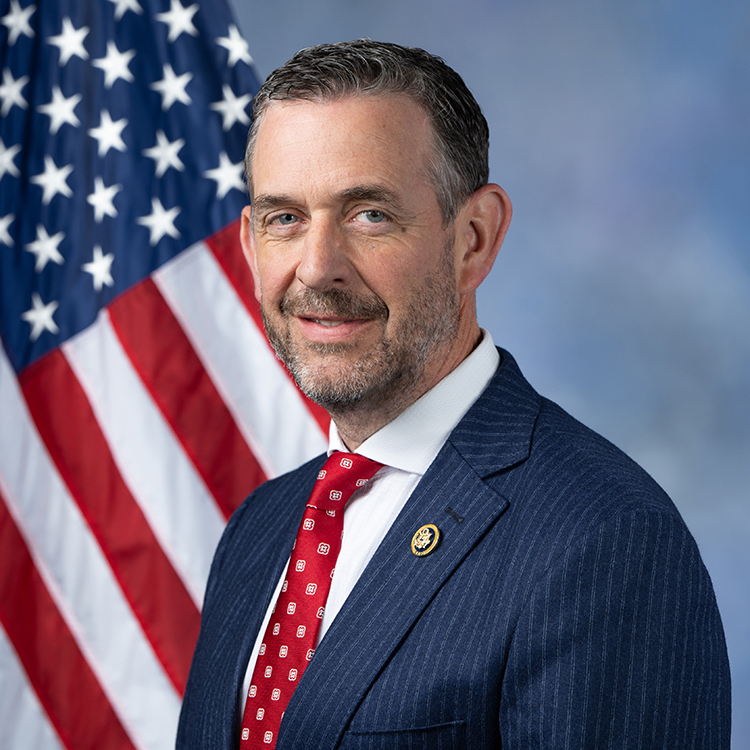
Rep. Michael A. Rulli
Sponsored bills
Maddy summaryThe Homeownership Eligibility Reform Act restricts access to government-backed and private mortgage insurance for single-family homes to individuals who are U.S. citizens. Specifically, the bill amends laws governing the Federal Housing Administration, Fannie Mae, and Freddie Mac to require that borrowers for one-to-four-unit properties must be citizens to qualify for their mortgage products. This change directly affects foreign nationals and non-citizen residents who currently might purchase homes with these types of financing, effectively limiting their eligibility for these specific mortgage programs.
Maddy summaryThe End EPA Abuse Act of 2026 amends the Clean Air Act to limit the Environmental Protection Agency's authority to create new regulations. Specifically, it prohibits the EPA Administrator from issuing rules that restrict the sale or use of internal combustion engine vehicles, force power plants to switch fuel sources, or reduce the reliability of the electric grid. The bill also bars the agency from mandating technologies that are commercially unavailable, too expensive without subsidies, or technically unfeasible due to geographic or infrastructure limitations. Additionally, the law prevents the EPA from expanding its regulatory power beyond what Congress originally intended. These changes directly affect the EPA's ability to enforce environmental standards and impact industries such as automotive manufacturing and energy production.
Maddy summaryThis bill redesignates the existing National Parks and Public Land Legacy Restoration Fund as the America's Legacy Restoration Fund to address deferred maintenance on federal lands. It directs revenue from recreation fees and a portion of energy development income into the fund, which must be used primarily for repairing critical infrastructure like roads, trails, and buildings managed by agencies such as the National Park Service and the Forest Service. The legislation establishes strict rules requiring that most funds go toward non-transportation projects, mandates transparency through public dashboards tracking project status, and sets aside a small percentage for matching private donations. Additionally, the bill increases entrance fees for foreign visitors to ensure they contribute to the fund, while prohibiting the use of these specific funds for land acquisition or employee bonuses.
Repealing Big Brother Overreach Act This bill repeals the Corporate Transparency Act. The act requires existing companies and newly created companies to report beneficial ownership information to the Department of the Treasury’s Financial Crimes Enforcement Network for purposes of addressing the financing of terrorism and money laundering.
Maddy summaryThis bill, known as the Stopping Harmful and Outrageous Torts Act, expands legal protections for firearm manufacturers and sellers by strengthening their immunity from civil lawsuits. It requires courts to immediately dismiss any pending cases against these companies that are based on the criminal or unlawful misuse of a gun by a third party, while also clarifying that sellers are not liable for negligence in entrusting products to others. The legislation further restricts who can file such suits by prohibiting foreign governments from bringing these claims and adding a specific exception for victims under the age of 17, though it maintains immunity for cases involving design or manufacturing defects. Additionally, the bill allows companies to move these cases to federal court and grants them the right to appeal dismissal orders immediately, along with the ability to recover legal fees if they win. Finally, it preempts state and local laws that attempt to impose liability on these entities for the same types of misuse-related harms.
Maddy summaryThe Stop Serial Litigation Act of 2026 limits the amount of legal fees the government can award to private parties in administrative and court cases to prevent repetitive lawsuits. It caps annual fee awards at $300,000 for most organizations and non-profits, while also setting a maximum hourly rate of $175 for attorneys in most cases, with a lower rate of $125 for veterans and social security matters. Additionally, the bill requires detailed itemized records of how attorneys spend their time and restricts payments to expert witnesses to rates no higher than what the government itself pays. These rules apply to cases involving various federal agencies but include specific exceptions for the Veteran's Administration and the Social Security Administration.
Maddy summaryThe Federal Cryptocurrency Theft Enforcement and Coordination Act establishes a new task force within the Department of Justice to coordinate efforts against cryptocurrency theft. Led by the Attorney General, this group will include representatives from agencies such as the FBI and the Treasury to improve how federal, state, and local law enforcement investigate and prosecute these crimes. The task force is responsible for sharing information, providing training on digital evidence collection, and identifying gaps in current laws without creating new criminal offenses or regulating digital assets. Additionally, the Attorney General must submit annual reports to Congress detailing the task force's activities and offering recommendations for future improvements.
Maddy summaryHR 5408, the Faster Labor Contracts Act, requires employers to begin negotiating a first contract with a newly certified union within 10 days of written request. If no agreement is reached within 90 days, the parties must seek mediation, and if unresolved after 30 days of mediation, the dispute moves to binding arbitration by a three-member panel. The arbitration decision, based on factors like employer finances, industry standards, and cost of living, becomes binding for two years. This bill directly affects newly certified unions and their employers during initial contract negotiations, aiming to reduce delays that currently average 465 days.
Maddy summaryThis resolution proposes to officially designate June as "Family Month" to highlight the importance of the traditional nuclear family. It also calls for the House of Representatives to stop recognizing Pride Month, which it argues has replaced the celebration of family values. The bill is sponsored by a group of representatives who believe that strengthening traditional marriage is essential for societal stability and population growth.