

Maddy summaryHR 8537, the East Palestine Health Impact Monitoring Act of 2024, requires the U.S. Department of Health and Human Services (HHS) to fund a long-term health study on the effects of the February 3, 2023, train derailment in East Palestine, Ohio. The bill directs HHS to award grants to university consortia with community ties to study human health impacts from the derailment and subsequent chemical venting and burning. It mandates two progress reports to Congress (within two years of funding and one year after study results are published) detailing study challenges, timelines, and findings. The bill authorizes up to $1 million in funding for fiscal year 2025, available until September 2029, to support this research.
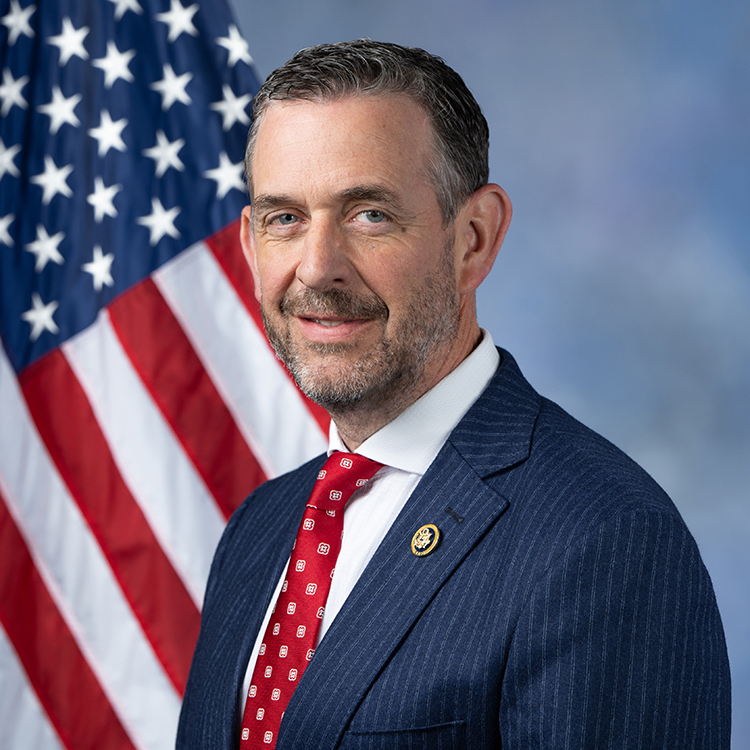
Rep. Michael A. Rulli
Sponsored bills
Maddy summaryHR 895, the Combating Organized Retail Crime Act of 2023, expands federal law to better prosecute organized retail theft by amending sections 2314 and 2315 of Title 18. It clarifies that crimes involving stolen goods valued at $5,000 or more over 12 months - including retail theft - can be prosecuted under existing federal statutes, and broadens definitions to include goods taken via "any facility of interstate or foreign commerce." The bill also creates a new Organized Retail Crime Coordination Center within Homeland Security, requiring it to coordinate federal, state, and local law enforcement efforts, share threat information with retailers, and produce annual public reports on trends. This directly affects law enforcement agencies, retailers, and criminal justice systems by standardizing prosecution thresholds and enhancing interagency collaboration.
Maddy summaryThis bill requires the President to provide Congress with a 15-day written notice before pausing, delaying, or suspending U.S. arms shipments to Israel, including detailed justification and impact analysis. It establishes strict congressional review periods: 15 days for initial review, plus additional 10-12 day windows if Congress introduces a disapproval resolution, effectively giving lawmakers significant power to block such pauses. The bill directly affects the President and the White House by restricting unilateral decisions on military aid to Israel, specifically targeting delays like the May 2024 pause on bomb shipments. Key provisions define "covered defense articles" as weapons under existing export laws and mandate transparency about funding, end users, and potential impacts on Israel’s military edge.
Maddy summaryThis resolution (HRES 1199) commemorates the 50th anniversary of Turkey's 1974 military invasion and ongoing occupation of northern Cyprus. It formally condemns Turkey's continued occupation, calls for the immediate withdrawal of its 35,000 troops, and demands the removal of over 200,000 Turkish settlers from the occupied territory. The resolution also urges Turkey to assist in repatriating displaced Cypriot refugees and to cooperate on resolving the fate of missing persons, including U.S. citizens. As a symbolic congressional statement, it does not create binding law but expresses the House's position on the Cyprus issue.
Maddy summaryHR 8231, the James Earl Jones Congressional Gold Medal Act, authorizes a Congressional Gold Medal to be awarded to actor James Earl Jones in recognition of his distinguished career in theater and film, and his role in advancing inclusion and equal opportunities for people of all backgrounds in the entertainment industry. The Treasury will strike the medal with an image and inscription of Jones, and may produce and sell bronze duplicates to cover costs, with proceeds deposited into the U.S. Mint's public enterprise fund. This bill serves as a ceremonial honor with no new legal requirements or policy changes.
Maddy summaryHR 8147 repeals the Corporate Transparency Act, which required certain businesses (typically those with more than 20 employees) to report beneficial ownership details to the Treasury Department. This bill eliminates the requirement for companies to disclose who ultimately owns or controls them, directly affecting business owners and financial institutions that previously submitted this information. The bill also makes minor technical changes to Title 31 of the U.S. Code to remove references to the repealed provisions. The repeal would end the existing financial transparency reporting obligation for covered entities.
Maddy summaryHRES 1167 is a non-binding House resolution recognizing natural gas as an affordable and "green" energy source, citing its role in reducing power sector greenhouse gas emissions by 66% since 2005 and noting U.S. methane emissions fell 10% from 2005 to 2020 despite a 100% increase in production. It references the European Union’s classification of natural gas as a green investment and the U.S. role in supplying liquefied natural gas to Europe to reduce reliance on Russian energy. The resolution urges the Biden administration to support natural gas production and infrastructure while opposing restrictions on liquefied natural gas export facilities. As a resolution, it expresses congressional support but does not enact binding policy changes.
Maddy summaryHR 8061, the Crime Victims Fund Stabilization Act of 2024, ensures stable funding for the Crime Victims Fund by directing certain False Claims Act collections into it from 2024 through 2029. Specifically, it adds a provision requiring that amounts collected under the False Claims Act (excluding whistleblower rewards and government reimbursement for damages) be deposited into the fund during this period. This directly affects crime victims who rely on the fund for services like counseling and emergency aid, as it prevents potential shortfalls in funding. The bill makes a concrete policy change by redirecting specific federal civil penalties into the fund, rather than altering the fund's existing purposes or eligibility rules.
Maddy summaryHJRES 128 is a congressional resolution seeking to block an Environmental Protection Agency (EPA) rule that set emissions standards for oil and natural gas facilities. If passed, it would use the Congressional Review Act to formally disapprove the EPA's "Climate Review" rule, which established new requirements for emissions from new, modified, and existing oil and gas sources. The rule directly affects oil and gas companies operating in the U.S., as it would have imposed new regulatory standards on their emissions. This resolution does not create new law but aims to halt the EPA's existing rule from taking effect.
Maddy summaryThis bill protects licensed amateur radio operators' ability to install antennas for emergency communications by preventing homeowners' associations and private land use restrictions from blocking such installations. It requires communities to allow antennas that don’t impair emergency use, with exceptions only for safety, structural requirements, or minimal visual impact (e.g., screened enclosures). Small antennas (under 1 meter diameter), flagpoles (under 43 feet), and wire/vertical antennas don’t require prior approval, and communities must approve applications within 45 days. The law directly affects over 770,000 licensed amateur operators who rely on these antennas for life-saving emergency communications during disasters.