

Equal Representation Act This bill requires that the statement sent by the President to Congress after the decennial census indicating the number of persons in each state exclude noncitizens. (This statement is the basis for reapportionment of U.S. Representatives.) The bill also requires any questionnaire used in the decennial census to include a checkbox or other similar option for respondents to indicate whether the respondent and each household member is (1) a U.S. citizen, (2) a U.S. national but not a citizen, (3) a non-U.S. national ( alien under federal law) lawfully residing in the United States, or (4) a non-U.S. national unlawfully residing in the United States. The Department of Commerce must make public the number of persons in each state, disaggregated by each of these four categories.
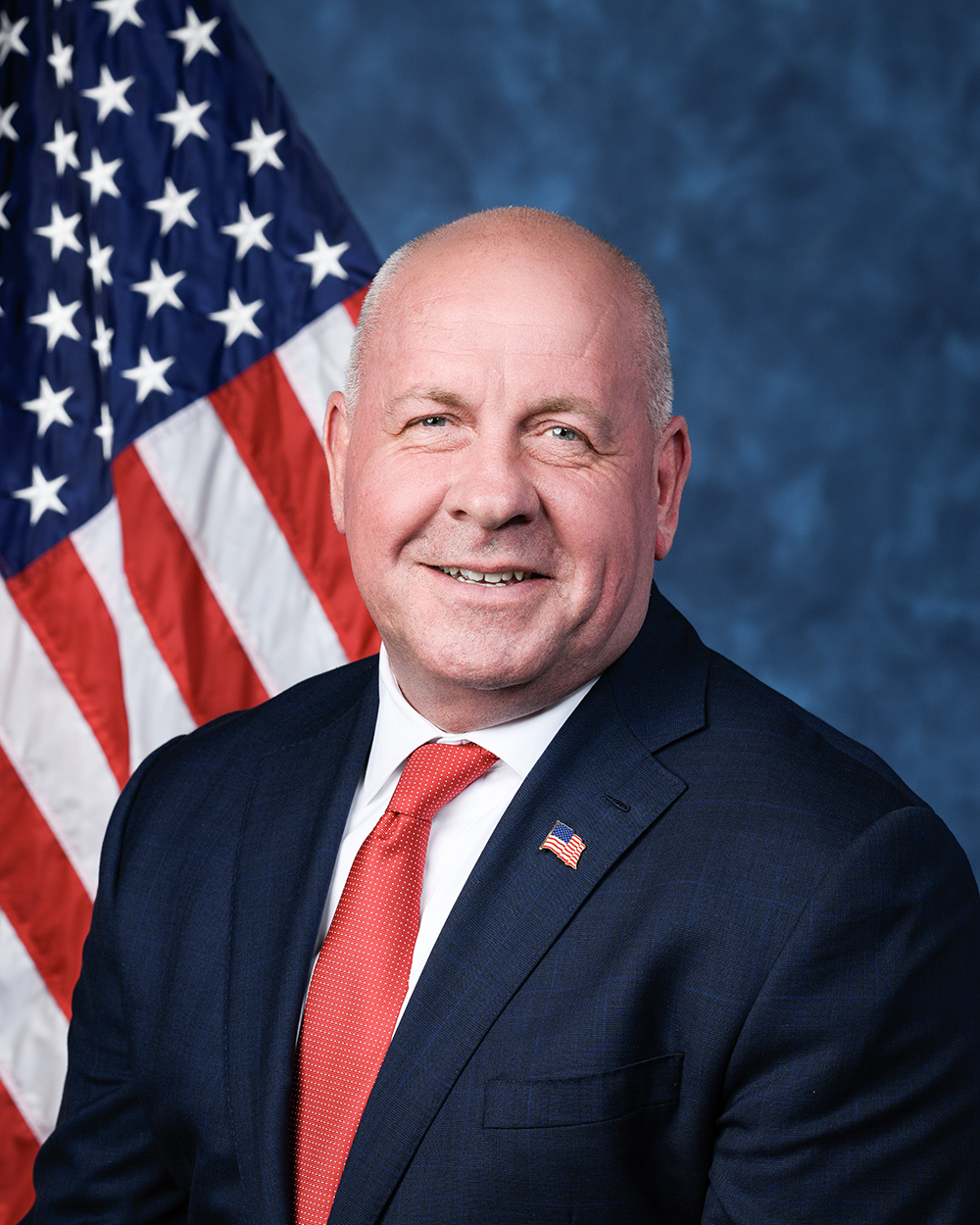
Rep. David J. Taylor
Sponsored bills
Maddy summaryThe Nitazene Response Act directs the Department of Health and Human Services to create and publish clinical guidelines for treating nitazene overdoses, a specific type of ultra-potent synthetic opioid. These guidelines will outline best practices for administering naloxone and provide instructions for emergency departments, hospitals, and rural emergency medical services. The Secretary must publish the guidelines online within 180 days of the bill's enactment and submit a report to Congress within one year detailing how the guidelines address nitazene overdose risks. The legislation defines nitazene to include various benzimidazole-opioids such as etonitazene and isotonitazene, ensuring the guidelines cover this growing class of substances.
Representing our Seniors at VA Act of 2025 This bill expands the membership of the Geriatrics and Gerontology Advisory Committee within the Veterans Health Administration by requiring the addition of one representative from the National Association of State Veterans Homes who holds a professional license in nursing home administration. Additionally, the committee must consult with the National Association of Veterans State Homes with respect to matters concerning the association.
Maddy summaryThis bill would prohibit federal laws from requiring manufacturers to install emissions control devices or onboard diagnostic systems on diesel trucks and other motor vehicles. It removes the Environmental Protection Agency's authority to enforce existing emissions regulations and eliminates liability for anyone who manufactures, sells, or modifies vehicles without these devices. The legislation also repeals current federal regulations related to emissions controls and would erase criminal or civil penalties for past violations of these rules.
Maddy summaryThe Airport Regulatory Relief Act of 2025 allows the federal government to use state highway standards instead of federal aviation standards for pavement construction at smaller airports. It directly affects nonprimary airports serving aircraft weighing 60,000 pounds or less, which are typically smaller community airports. The bill requires states to notify the federal Secretary of Transportation if they want to use their highway standards, and the Secretary must confirm the standards won’t compromise safety. This change simplifies construction requirements for eligible airports by aligning them with existing state infrastructure rules.
Expanding Appalachia’s Broadband Access Act This bill requires the Government Accountability Office to study and report to Congress on the Appalachian Regional Commission’s capability to incorporate low-orbit satellites in broadband projects. Specifically, the study must review and analyze the capacity and cost-effectiveness of using satellite broadband service for business purposes and economic development.
Maddy summaryThis resolution formally recognizes and honors six members of the Ohio Air National Guard who died in a KC-135 Stratotanker crash over Iraq on March 12, 2026. The bill specifically names the deceased service members and acknowledges their sacrifice during a refueling mission supporting Operation Epic Fury. It expresses the House's condolences to the families of the fallen and pledges that their service will not be forgotten.
Maddy summaryThis bill extends the funding period for existing USDA water and wastewater infrastructure grants from 2019-2023 to 2026-2031. It directly affects rural communities and tribal areas that rely on these federal grants to upgrade drinking water systems, sewage treatment, and waste disposal facilities. The key provision amends a specific section of the Consolidated Farm and Rural Development Act to adjust the grant program's authorization period. This change ensures continued access to funding for critical water infrastructure improvements without altering the program's scope or eligibility.
Maddy summaryThis bill requires all states to submit detailed data on Supplemental Nutrition Assistance Program (SNAP) fraud to the Department of Agriculture. The data must include information on fraud cases, enforcement actions, recoveries, and specific instances involving deceased individuals or false social security numbers. States must provide this information within 180 days of enactment for historical data and annually thereafter, with funds withheld if they fail to comply. The Secretary of Agriculture will compile and publish annual reports to Congress based on the submitted data.
Deporting Fraudsters Act of 2026 This bill makes certain acts related to public benefits fraud grounds for (1) barring a non-U.S. national ( alien under federal law) from admission into the United States, or (2) deporting the individual. The bill also makes such an individual ineligible for immigration enforcement relief, including relief for an individual in danger of subjection to torture. Specifically, this bill applies to individuals who have been convicted of, admit to having committed, or admit to acts which constitute certain offenses. Offenses covered by this bill include (1) fraud involving Supplemental Nutrition Assistance Program (SNAP) benefits, (2) fraud involving Social Security benefits, (3) fraud involving programs that receive federal funds, and (4) the production of fraudulent identification documents.