

Maddy summaryThis resolution formally congratulates the Carolina Hurricanes on winning the 2026 Stanley Cup, recognizing their 4-2 victory over the Vegas Golden Knights. It highlights key achievements such as the team's 16-3 playoff record, Captain Jordan Staal winning the Conn Smythe Trophy, and the franchise's 20-year anniversary of its first championship. The text also acknowledges the contributions of the coaching staff, management, and individual players, as well as the team's community support efforts.
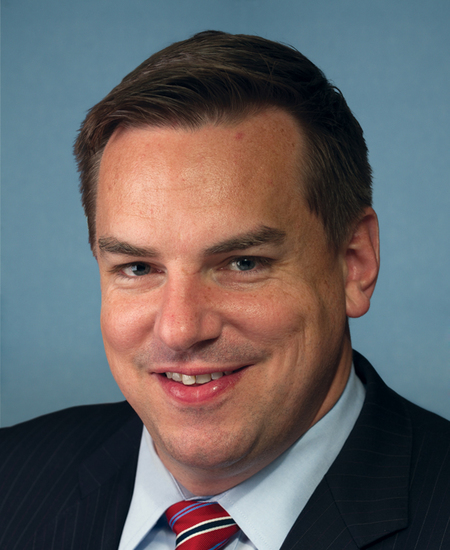
Rep. Richard Hudson
Sponsored bills
Repealing Big Brother Overreach Act This bill repeals the Corporate Transparency Act. The act requires existing companies and newly created companies to report beneficial ownership information to the Department of the Treasury’s Financial Crimes Enforcement Network for purposes of addressing the financing of terrorism and money laundering.
Maddy summaryThis bill, known as the Stopping Harmful and Outrageous Torts Act, expands legal protections for firearm manufacturers and sellers by strengthening their immunity from civil lawsuits. It requires courts to immediately dismiss any pending cases against these companies that are based on the criminal or unlawful misuse of a gun by a third party, while also clarifying that sellers are not liable for negligence in entrusting products to others. The legislation further restricts who can file such suits by prohibiting foreign governments from bringing these claims and adding a specific exception for victims under the age of 17, though it maintains immunity for cases involving design or manufacturing defects. Additionally, the bill allows companies to move these cases to federal court and grants them the right to appeal dismissal orders immediately, along with the ability to recover legal fees if they win. Finally, it preempts state and local laws that attempt to impose liability on these entities for the same types of misuse-related harms.
Maddy summaryThis bill increases monthly disability compensation for veterans eligible for aid and attendance by adding a $833.33 supplemental payment, effective December 2026. It also creates an automatic adjustment for dependency and indemnity compensation (DIC) payments, tying them to Social Security benefit increases plus an additional 1%, for up to five years starting December 2026. Additionally, it temporarily allows the VA to collect fees for certain housing loans from veterans with a 70% or lower disability rating (2025-2035), effective August 2026. These changes directly affect veterans receiving disability compensation, surviving family members receiving DIC, and veterans applying for VA-guaranteed housing loans.
Maddy summaryHR 1041, the Veterans 2nd Amendment Protection Act, prevents the Department of Veterans Affairs (VA) from automatically sending veterans' personal information to the national background check system (NICS) solely because a court has appointed a fiduciary (like a guardian) to manage their benefits. This directly affects veterans who have a fiduciary appointed due to mental health or cognitive challenges but are not deemed a danger to themselves or others. The bill requires a court order finding the veteran poses a danger before any such information can be shared with the NICS. It changes VA procedures to block unnecessary barriers to firearm ownership for veterans who qualify for fiduciary support without a judicial determination of danger.
Maddy summaryThis bill would add pharmacist services to Medicare Part B coverage for beneficiaries, specifically covering pharmacist-led testing and treatment for illnesses like flu, COVID-19, or strep throat during public health emergencies. It defines covered services as those performed under state law, often requiring collaboration with a physician, and sets payment at 80% of the lesser of the actual charge or 85% of physician payment rates. Pharmacists would be prohibited from balance billing for these services, ensuring Medicare beneficiaries pay only their standard copayment. The changes would take effect January 1, 2026.
Maddy summaryThis resolution formally recognizes the critical role of the United States Special Operations Forces community in national defense and expresses support for the designation of SOF Week. The bill highlights the specialized training, dangerous missions, and unique contributions of these military units and their families to the nation's security. By passing this measure, the House of Representatives aims to honor the bravery and dedication of SOF personnel while acknowledging the importance of their annual conference.
Maddy summaryThe IGNITE HBCU Excellence Act authorizes federal grants to Historically Black Colleges and Universities (HBCUs) to fund long-term improvements to their campus facilities and infrastructure. These grants are awarded competitively to eligible HBCUs based on criteria such as the age of their facilities, deferred maintenance needs, financial capacity, and student enrollment levels. Recipients may use the funds to construct or renovate buildings, upgrade technology and broadband systems, improve safety measures, and develop workforce training hubs, while being prohibited from using the money for routine maintenance or athletic facilities. The legislation also includes provisions for reporting on project outcomes and requires institutions to create comprehensive master plans that involve consultation with diverse campus and community stakeholders.
This resolution expresses support for police officers and other law enforcement personnel. The resolution further recognizes law enforcement officers across the United States in the pursuit of preserving safe and secure communities; the need to ensure that such officers have the equipment, training, and resources necessary to protect their health and safety while they are protecting the public; and the law enforcement community for acts of sacrifice and heroism. The resolution expresses condolences and appreciation to the loved ones of each law enforcement officer who has made the ultimate sacrifice in the line of duty.
Maddy summaryHR 4690, the Reliable Federal Infrastructure Act, repeals specific energy efficiency standards for federal buildings. It directly affects federal agencies and buildings subject to the repealed standards under Section 305(a)(3)(D) of the Energy Conservation and Production Act (42 U.S.C. 6834(a)(3)(D)). The bill removes these standards from federal law, stating they "shall have no force or effect," and updates related provisions in the Energy Independence and Security Act of 2007 to eliminate references to the repealed standards. This is a procedural repeal focused solely on removing existing requirements, not creating new infrastructure or policy.