

Maddy summaryHR 28, the *Protection of Women and Girls in Sports Act of 2025*, amends Title IX to prohibit federally funded schools from allowing male-identified individuals (based on biological sex at birth) to compete on women’s or girls’ sports teams. It explicitly states that such participation would violate federal civil rights law, with exceptions only for training/practice that doesn’t displace female athletes from roster spots, competitions, scholarships, or other benefits. The bill mandates a Comptroller General study to define "other benefits" lost by girls when males compete in single-sex sports, including impacts on psychological well-being, scholarship access, and safe participation environments. This bill directly affects all athletic programs receiving federal funding, requiring compliance with its biological-sex-based eligibility rules.
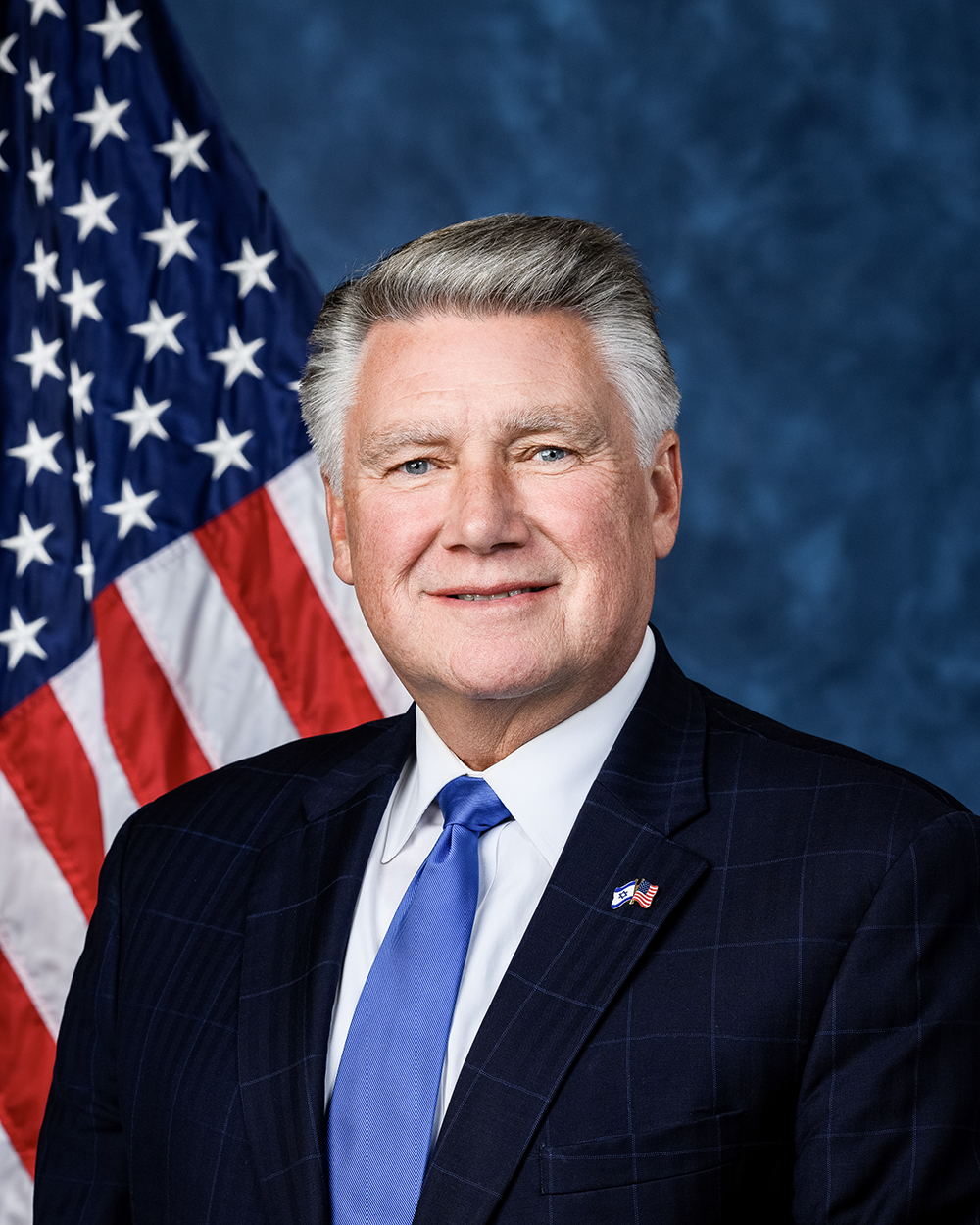
Rep. Mark Harris
Sponsored bills
Maddy summaryHR 400 prohibits U.S. taxpayer funding for the United Nations Human Rights Council. It requires the Secretary of State to withhold from annual U.S. UN budget contributions any amount allocated to the Human Rights Council, and bans voluntary U.S. contributions to the Council. Funds withheld under this law are canceled immediately and do not count as unpaid dues to the UN. The bill specifically targets the Human Rights Council, leaving other UN activities unaffected.
Maddy summaryThis bill grants the Secretary of Homeland Security authority to temporarily suspend entry of certain individuals at U.S. borders to achieve "operational control" (defined as effective border management). It specifically applies to people seeking entry without proper documentation who would be denied entry under current law (e.g., lacking visas or asylum eligibility). The Secretary must block entry if they cannot detain or process these individuals as required by existing immigration law. States may also sue the government if they believe border security rules are violated.
Maddy summaryThis bill directs the Department of Homeland Security to implement the Migrant Protection Protocols (MPP) as outlined in a 2019 policy memo. It requires migrants seeking asylum at the U.S. border to remain in Mexico while their cases are processed, rather than being allowed to stay in the U.S. pending a hearing. The bill does not create new rules but mandates the reinstatement of a policy that was previously in effect from 2019 to 2021. This would directly affect asylum seekers arriving at the U.S.-Mexico border. The policy change would apply to all migrants covered by the existing MPP framework.
Maddy summaryThis bill, HR 221 (Abolish the ATF Act), would eliminate the Bureau of Alcohol, Tobacco, Firearms and Explosives (ATF) as a federal agency. It directly affects the ATF itself, removing its existence within the U.S. Department of Justice. The bill contains no policy provisions or new mechanisms - it solely directs the abolition of the agency through a single legislative action. As a procedural measure, it does not alter gun laws, enforcement responsibilities, or affect the public.
Maddy summaryThis proposed constitutional amendment would limit Members of Congress to serving a maximum of three terms in the House of Representatives or two terms in the Senate. It directly affects current and future members by preventing those who have already served the maximum terms from seeking re-election. Key provisions include counting vacancies filled for more than a year (House) or three years (Senate) as a full term toward the limit, while excluding terms served before ratification from the count. As a constitutional amendment proposal, it requires approval by three-fourths of state legislatures to become law.
Maddy summaryHR 162, the First Amendment Accountability Act, creates a legal right for individuals to sue federal employees who violate their First Amendment rights (such as free speech or assembly) while acting under government authority. It directly affects citizens whose rights are infringed and federal employees (excluding the President/Vice President) who may face lawsuits. The bill allows victims to seek redress through court action, with courts having discretion to award attorney fees to the winning party. It explicitly excludes lawsuits against the federal government or employer for conduct within the scope of employment.
Maddy summaryThe FairTax Act of 2025 would repeal federal income tax, payroll taxes (Social Security and Medicare), and estate and gift taxes, replacing them with a national sales tax. It would impose a 23% tax on the final consumption of goods and services in 2027, with rates adjusting based on federal tax rates. The bill includes a monthly rebate for qualifying families based on the poverty level to offset the tax burden on lower-income households. It would establish a cooperative tax administration system between federal and state governments, with states collecting the tax under certain conditions. The tax would sunset if the 16th Amendment (which allows for income taxes) is not repealed within 7 years of enactment.
Maddy summaryThis bill requires Congress to approve major federal regulations before they take effect. It would mandate that agencies submit detailed reports including cost-benefit analyses, economic impact assessments, and other information to Congress before implementing significant regulations. Major rules - defined as those with at least $100 million annual economic impact or significant effects on costs, competition, or employment - would need a joint resolution of approval from Congress within 70 session days. Nonmajor rules would follow a less stringent disapproval process. The bill aims to increase legislative oversight of the regulatory process, requiring Congress to formally review and approve rules that significantly impact the economy or public regulations.