

Maddy summaryThis bill prevents state or local governments from banning or restricting energy connections (like installation, modification, or access) based on the type or source of energy, such as electricity, natural gas, or renewable fuels. It directly affects consumers choosing energy providers and energy companies seeking to offer services. The key provision prohibits local laws, regulations, or policies that limit energy services sold in interstate commerce, covering all energy types listed in the bill’s definitions. It does not create new programs but limits regulatory authority at the state or local level. The law aims to ensure open access to diverse energy sources without source-based restrictions.
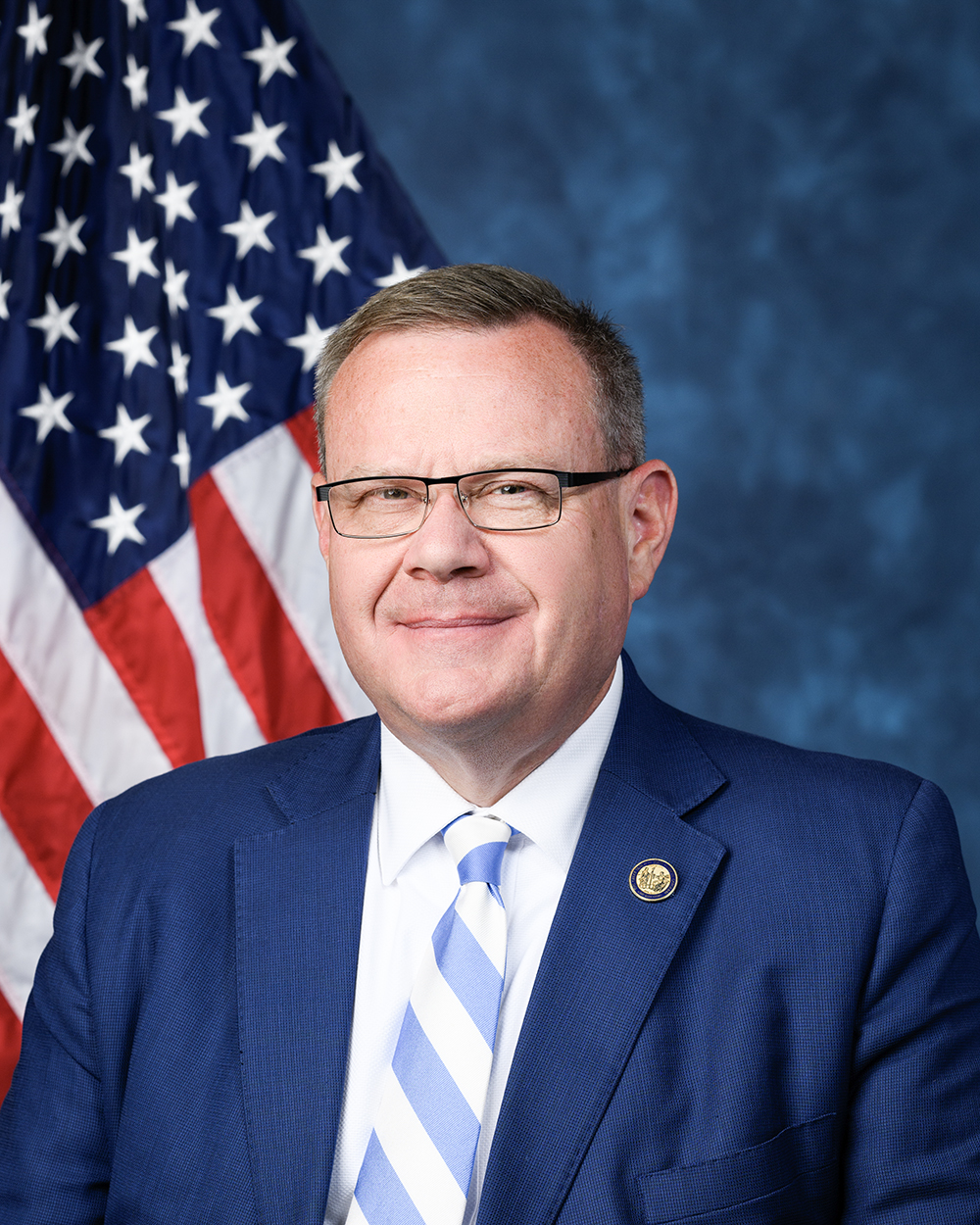
Rep. Tim Moore
Sponsored bills
Maddy summaryThe Make Elections Great Again Act (HR 7300) would require voters to present photo identification to cast ballots in person or by mail for federal elections, with limited exceptions for religious objections or military voters. It would establish new requirements for proving U.S. citizenship during voter registration, including documentary proof of citizenship and proof of state residency. The bill would change mail-in ballot procedures by requiring voters to request mail-in ballots (rather than universal mail-in voting), implementing barcode tracking for mail-in ballots, and setting strict deadlines for ballot receipt. These provisions would apply to all states for federal elections held in 2027 or later, affecting how voters register, vote in person, and submit mail-in ballots for federal office elections.
Maddy summaryThe SALAMANDER Act streamlines permitting for post-disaster recovery projects involving waterways (like rebuilding roads, bridges, or coastal infrastructure after hurricanes or floods) by creating pre-approved general permits. It directly affects communities recovering from federally declared disasters and the Army Corps of Engineers, which implements these permits. Key provisions require upfront coordination with wildlife agencies to agree on "best management practices" that protect endangered species and critical habitats, replacing individual environmental reviews under the Endangered Species Act for 18 months after a disaster declaration. This reduces delays while maintaining environmental safeguards, with the Corps required to work with state agencies and establish national guidelines for consistent use.
Maddy summaryThis bill requires the Federal Reserve, Comptroller of the Currency, and FDIC to study how to improve growth, capital, and profitability for rural banks. The study will identify regulatory barriers in current federal laws or rules that may limit rural bank expansion or new bank openings in rural areas. The agencies must submit a report to Congress within six months of the bill's enactment. The bill itself does not change regulations or provide funding - only mandates the study.
Safeguard American Voter Eligibility Act or the SAVE America Act This bill requires individuals to provide documentary proof of U.S. citizenship when registering to vote, and requires photo identification to vote, in federal elections. Specifically, the bill prohibits states from accepting and processing an application to register to vote in a federal election unless the applicant presents documentary proof of U.S. citizenship. The bill specifies what documents are considered acceptable proof of U.S. citizenship, such as identification that complies with the REAL ID Act of 2005 that indicates U.S. citizenship. Further, the bill (1) prohibits states from registering an individual to vote in a federal election unless, at the time the individual applies to register to vote, the individual provides documentary proof of U.S. citizenship; and (2) requires states to establish an alternative process to demonstrate U.S. citizenship. Each state must take affirmative steps on an ongoing basis to ensure that only U.S. citizens are registered to vote, which shall include establishing a program to identify individuals who are not U.S. citizens using information supplied by certain sources. Additionally, states must remove noncitizens from their official lists of eligible voters. The bill (1) provides for a private right of action for certain violations, and (2) establishes criminal penalties for certain offenses. Individuals voting in federal elections must present an eligible photo identification document. An individual who votes by absentee ballot must submit a copy of their identification document with both the request for, and the submission of, the absentee ballot.
Maddy summaryThe Comprehensive Congressional Budget Act of 2026 would reform how Congress manages the federal budget by requiring a single annual budget act that includes all federal spending and revenue. The bill establishes a new timeline with key deadlines: the President must submit a budget in February, committees must submit detailed spending and revenue proposals by April 15, and the House must approve the annual budget act by June 10. It would require all committees to submit line-item spending and revenue proposals for inclusion in the annual budget, rather than focusing only on annual appropriations bills. The bill aims to address current fragmentation in the budget process, where only about 26% of federal spending is covered by annual appropriations bills, by creating a more comprehensive and coordinated approach to federal budgeting.
Maddy summaryThis resolution is a symbolic gesture supporting the designation of January 25-31, 2026, as "National School Choice Week." It does not create new laws or affect specific groups, but formally expresses the House's backing for raising public awareness about parental education options. The resolution encourages parents to learn about K-12 education choices (including public schools, charters, private schools, and homeschooling) and urges communities to host events during that week. It has no binding effect and focuses solely on recognition and awareness, not policy change.
Maddy summaryHR 7225, the Protecting Child Sex Trafficking Victim Witnesses Act, requires the Attorney General to develop and publish victim-centered guidance within 18 months to protect child sex trafficking victims who testify. This guidance covers safe travel, lodging, use of child advocacy centers, and safety planning - both during and after trial. Federal prosecutors, law enforcement, and judges must then receive training on this guidance within 180 days of its release. The bill also updates federal law to include digital recording options for testimony and modernizes definitions to better reflect child trafficking protections.
Maddy summaryThis bill creates a tax credit for businesses selling products made with U.S.-grown cotton. The credit equals 24% of the cotton's market value if processed only in the U.S. or in countries with U.S. trade deals, or 18% for other processing locations. To qualify, cotton must be digitally traced from U.S. farms to finished products and certified by the USDA as meeting origin requirements. It directly affects clothing and textile manufacturers selling qualifying products in the U.S. market.
Maddy summaryThe MOLD Act (HR 7188) establishes uniform health and safety standards for military housing managed by private contractors, directly affecting approximately 700,000 service members and their families living in privatized housing across 78 developments. It requires the Defense Secretary to set enforceable limits on indoor humidity (below 50%), mandate third-party inspections after tenant complaints or unit turnover, and hold contractors fully responsible for mold remediation, relocation costs, and property damage. The bill also mandates public reporting of complaints, inspection results, and remediation timelines, and requires contractors to use certified professionals for mold assessments. These provisions aim to reduce mold-related health risks and improve accountability in privatized military housing.