

Maddy summaryHR 6734 prohibits the use of federal funds to finalize, implement, or enforce the Bureau of Alcohol, Tobacco, Firearms, and Explosives' (ATF) proposed rule (2022R-17) defining "engaged in the business as a dealer in firearms." This bill directly affects the ATF by blocking funding for this specific regulatory rule, which was proposed in August 2023. The legislation does not create new requirements but prevents federal resources from being used to advance this particular ATF regulation.
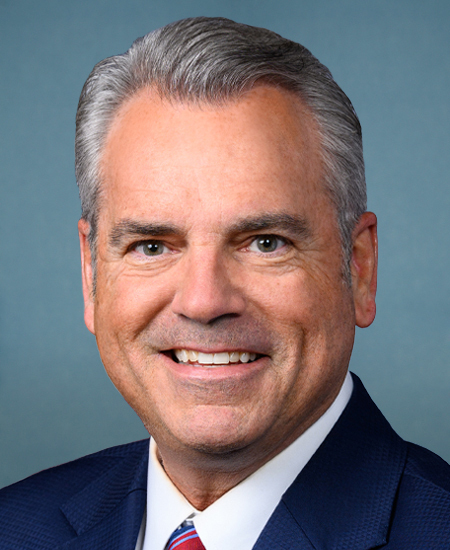
Rep. Mark Alford
Sponsored bills
Maddy summaryHR 357, the Ensuring Accountability in Agency Rulemaking Act, requires federal agencies to have rules signed by Senate-confirmed appointees (or senior appointees for initiation), aiming to increase oversight of regulatory decisions. It directly affects all federal agencies creating rules under standard procedures (covered by 5 U.S.C. § 553), ensuring higher-level accountability for rulemaking. Exceptions exist only if an agency head certifies that compliance would impede public safety/security, with required notifications to the OIRA Administrator and Federal Register publication. The Office of Information and Regulatory Affairs (OIRA) will monitor agency compliance with these requirements.
Maddy summaryThis resolution (HRES 924) is a symbolic recognition of the 30th anniversary of the first B-2 stealth bomber landing at Whiteman Air Force Base in Missouri on December 17, 1993. It does not create new laws or affect any individuals or policies. The resolution acknowledges the bomber's role in the U.S. nuclear deterrent and its global reach but contains no legislative action. As a commemorative measure, it has no practical policy impact.
Maddy summaryHRES 919 is a symbolic resolution recognizing the 83rd anniversary of Fort Leonard Wood's groundbreaking on December 3, 1940. It commemorates the military installation's history, including training over 300,000 soldiers during WWII and currently training 80,000 military personnel and civilians annually. The resolution has no legal effect or policy changes - it solely honors the fort's significance to U.S. military history.
Maddy summaryThis bill authorizes the posthumous presentation of a Congressional Gold Medal to honor Marshall "Major" Taylor, a pioneering Black cyclist who broke racial barriers in the late 19th and early 20th centuries. It recognizes his athletic achievements, including world records and international championship wins, as well as his advocacy for equality in sports. The medal, designed by the Treasury Secretary, will be presented to Taylor's great-granddaughter, Karen Donovan, following the congressional authorization. As a commemorative act with no policy changes, it serves solely to honor Taylor's legacy as a trailblazer and role model.
Maddy summaryHR 6558, titled the "END the DEEP STATE Act," requires the Office of Personnel Management (OPM) to withdraw a specific proposed rule titled "Upholding Civil Service Protections and Merit System Principles" (published in the Federal Register on September 18, 2023). The bill directly affects OPM by mandating the withdrawal of this proposed rule and prohibiting the agency from finalizing, implementing, or enforcing it or any substantially similar rule. The key mechanism is a mandatory withdrawal of the 2023 proposed rule, which aimed to strengthen civil service protections and merit-based hiring standards. This is a procedural bill focused on halting a specific regulatory action, not on creating new policy.
Maddy summaryHR 6514, the Holding Agencies Accountable Act, requires federal agencies to publicly disclose the date they submit a final rule to Congress and the Government Accountability Office (GAO). When an agency submits a final rule, its head must notify the Archivist of the submission date, and the Archivist will then include that date in the rule's entry in the Federal Register. This law uses existing agency funding and does not create new spending. The bill directly affects all federal agencies that issue final rules, increasing transparency about when agencies formally submit regulations for review.
Maddy summaryHR 6504, the Protect American Gun Exporters Act, blocks the Department of Commerce from implementing a pause on new export licenses for specific firearm exports (items under Commerce Control List numbers 0A501, 0A502, 0A504, and 0A505). The bill directly affects U.S. gun exporters by preventing the Commerce Secretary from enforcing the October 2023 pause or similar restrictions on these exports. Key provisions prohibit the Secretary from taking any action to carry out the pause unless it follows standard regulatory processes, including a required impact analysis and compliance with the Administrative Procedure Act and Congressional Review Act. This bill does not create new export rules but stops the existing pause on certain firearm exports.
Maddy summaryHR 4480, the SERV Act, requires the Small Business Administration (SBA) to submit annual reports detailing its outreach efforts and programs for veteran entrepreneurs, including Veteran Business Outreach Centers and Boots to Business. It also mandates a GAO report analyzing credit access barriers for veteran-owned small businesses, examining credit sources, default rates, and obstacles like military deployment impacts. The bill defines "covered individuals" to include veterans, service-disabled veterans, Reservists, and their spouses. These provisions aim to improve transparency and identify gaps in support for veteran entrepreneurs through data collection, without creating new funding or programs.
Maddy summaryHRES 683 is a non-binding resolution expressing the House's support for diplomatic efforts to encourage Mexico to fulfill annual water delivery commitments under the 1944 U.S.-Mexico treaty. The treaty requires Mexico to deliver an average of 350,000 acre-feet of water annually (over a 5-year cycle) to the U.S., but Mexico has historically delayed deliveries until the cycle ends. The resolution specifically acknowledges water shortages faced by South Texas farmers and urges Mexico to meet its annual obligations, while supporting negotiations for more reliable water agreements. It does not create new legal requirements but formally encourages diplomatic action to address the delivery delays.