

Maddy summaryHR 6056, the International Human Rights Defense Act of 2025, establishes a permanent Special Envoy at the State Department to lead U.S. foreign policy efforts addressing discrimination and violence against LGBTQI+ people globally. The bill requires the U.S. government to develop and update a biannual global strategy to prevent criminalization and violence against LGBTQI+ individuals, mandate detailed reporting on such abuses in annual country reports, and ensure all U.S. foreign assistance programs include inclusive nondiscrimination policies. This legislation directly affects U.S. foreign policy implementation, federal agencies receiving funding, and LGBTQI+ communities facing persecution worldwide. The bill aims to coordinate U.S. government efforts across departments and with international partners to advance LGBTQI+ rights globally through concrete policy mechanisms.
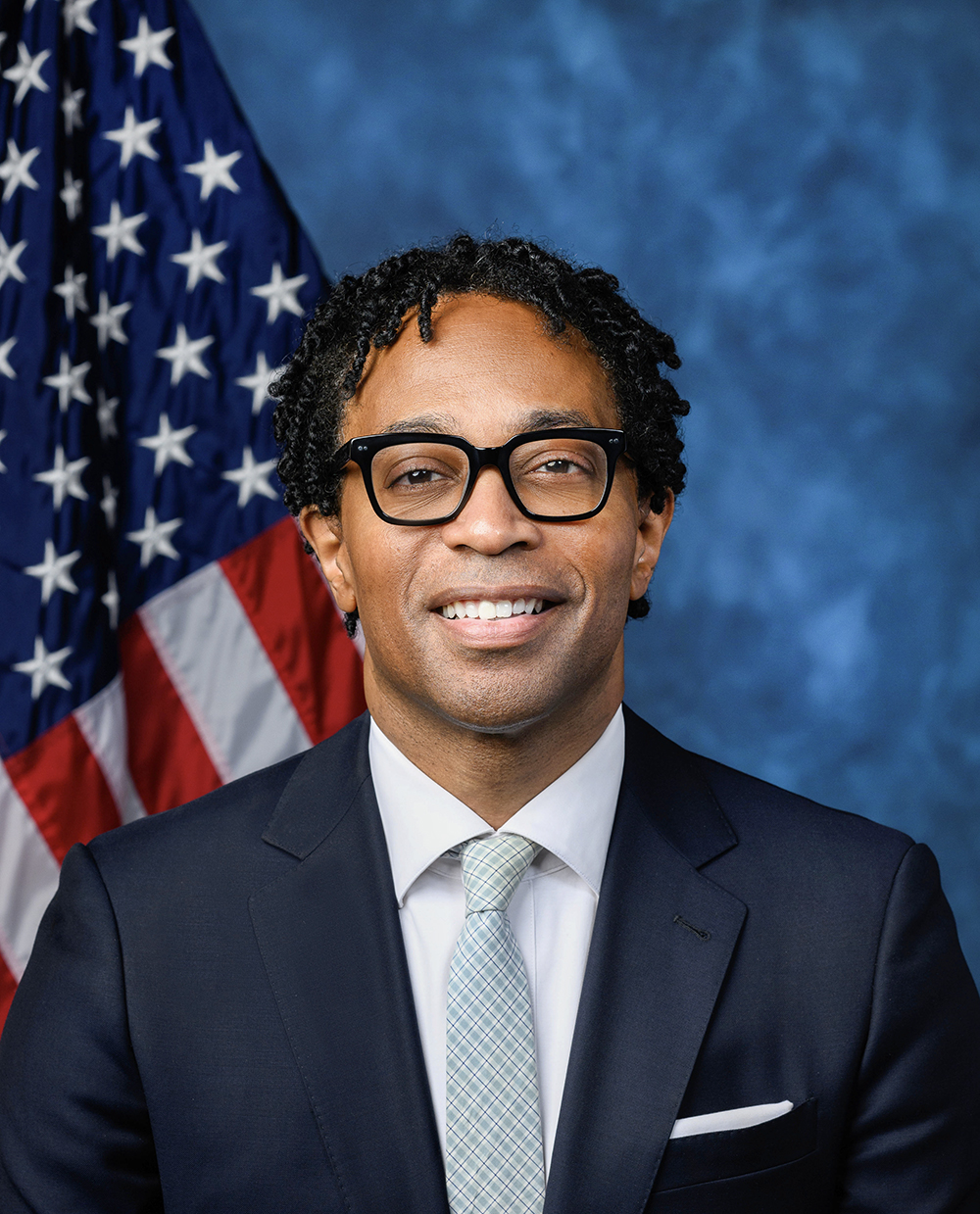
Rep. Wesley Bell
Sponsored bills
Maddy summaryThis bill requires all new passenger vehicles manufactured for sale in the U.S. to include AM radio as standard equipment (not an optional add-on) by 2027-2028, depending on manufacturer size. It mandates that AM radio receivers must be easily accessible to drivers and allows compliance through digital AM broadcast technology. During a transition period, manufacturers must clearly label vehicles without AM radio but cannot charge extra for this feature. The bill also mandates a GAO study on AM radio's role in emergency alerts and includes a 10-year sunset provision for the rule. It preempts state laws regarding AM radio access in vehicles.
Maddy summaryHR 6016, the Keep Healthcare Affordable Act, extends and expands federal subsidies for health insurance premiums purchased through the marketplace. It extends the enhanced premium tax credit program through 2029 (instead of 2025) and increases the income threshold for eligibility from 400% to 1,000% of the federal poverty level for certain taxpayers. This directly affects millions of people who buy health insurance through the marketplace and qualify for subsidies based on income. The bill modifies IRS Code sections 36B(b)(3)(A)(iii) and 36B(c)(1)(E) to implement these changes, applying to taxable years beginning after December 31, 2025.
Maddy summaryHCONRES 59 is a symbolic congressional resolution recognizing the historical challenges Black veterans faced upon returning home after military service, including systemic discrimination despite their sacrifices in conflicts from the Revolutionary War through Vietnam. It highlights their dual struggle - fighting for the U.S. abroad while confronting racism at home - and their pivotal role in advancing civil rights, citing examples like the Tuskegee Airmen and the 369th Infantry. The resolution specifically calls on the Department of Veterans Affairs to address ongoing health and benefit disparities affecting minority veterans. As a non-binding resolution, it does not create new laws but formally acknowledges this history and the need for equitable veteran care.
Maddy summaryThis non-binding resolution (HRES 862) asks the House of Representatives to express support for issuing a new commemorative postage stamp honoring the Buffalo Soldiers. It directs the Citizens’ Stamp Advisory Committee to recommend such a stamp to the Postmaster General. The resolution highlights the Buffalo Soldiers’ historical service - 6 all-Black regiments formed in 1866, their role in frontier patrols, and 23 Congressional Medals of Honor earned over 82 years. It does not create funding or require the Postal Service to issue a stamp, but formally requests the advisory committee’s consideration. This procedural resolution affects only the stamp selection process, not policy or funding.
Maddy summaryThis bill ensures continuous funding for SNAP (food assistance) and WIC (nutrition program for mothers/children) during government funding gaps. It authorizes emergency Treasury funds to cover SNAP/WIC benefits and reimburse states for costs if Congress fails to pass regular appropriations for the Department of Agriculture by September 30, 2025. The funding covers missed payments retroactively from September 30, 2025, through the bill’s enactment date, and continues until either regular appropriations pass or September 30, 2026. It directly affects low-income households relying on these programs and state agencies administering them during funding lapses.
Maddy summaryThis bill, HR 5973, requires federal immigration enforcement personnel to follow strict limits on force use, including proportional application, mandatory de-escalation efforts, and prohibitions on equipment like flash bangs or rubber bullets except for specific public safety threats. It mandates body-worn and vehicle cameras for all operations, with footage retained for one year (three years for force incidents or complaints), and grants affected individuals the right to inspect recordings. The law also requires annual training on force policies, First Amendment compliance, and racial bias avoidance, while demanding detailed quarterly reports to Congress on force usage, assaults on agents, and equipment approvals. These provisions directly affect all federal immigration agents conducting enforcement actions, aiming to increase transparency and accountability during operations.
Maddy summaryHRES 855 is a non-binding House resolution expressing support for National Adoption Day (November 22, 2025) and National Adoption Month (November). It promotes awareness about children in foster care awaiting adoption - highlighting that 49,994 U.S. children were waiting for adoptive families in 2023 - and encourages the public to consider adoption. The resolution recognizes that every child deserves a permanent, loving family and urges Americans to support this goal throughout November and the year. As a symbolic gesture, it does not create new laws or policies.
Maddy summaryThe Grandfamily Housing Act of 2025 creates a federal grant program to support housing where grandparents or other relatives raise children (intergenerational homes). It provides funds to property owners to hire service coordinators who offer on-site services like tutoring, healthcare, and after-school care for children, while coordinating with local kinship support programs. Grants also cover outreach to families in the community, planning services, and retrofitting spaces for these programs. The program requires a report to Congress within two years evaluating its effectiveness and suggesting improvements.
Maddy summaryThis bill requires states to allow eligible voters to register or update their registration at polling places on election day for federal elections, including during early voting periods. It applies to all states except those with existing laws eliminating voter registration requirements for federal elections. The key mechanism mandates that voters can both register and cast their ballot on the same day at designated polling locations. The requirement takes effect for the November 2026 general election and all subsequent federal elections.