

Maddy summaryThis bill creates federal grants to support STEM education programs for girls and underrepresented minorities in K-12 schools. It directs $250,000 annually per grant to school districts serving high-poverty communities (with at least 40% students eligible for free/reduced lunch) to fund specific activities like after-school STEM programs, teacher training on reducing bias, mentorship, parental engagement, and summer camps. The grants require schools to track student participation and academic progress in STEM through annual evaluations. The program aims to increase opportunities for these students to develop skills and pursue STEM careers, while ensuring funds supplement - rather than replace - existing resources.
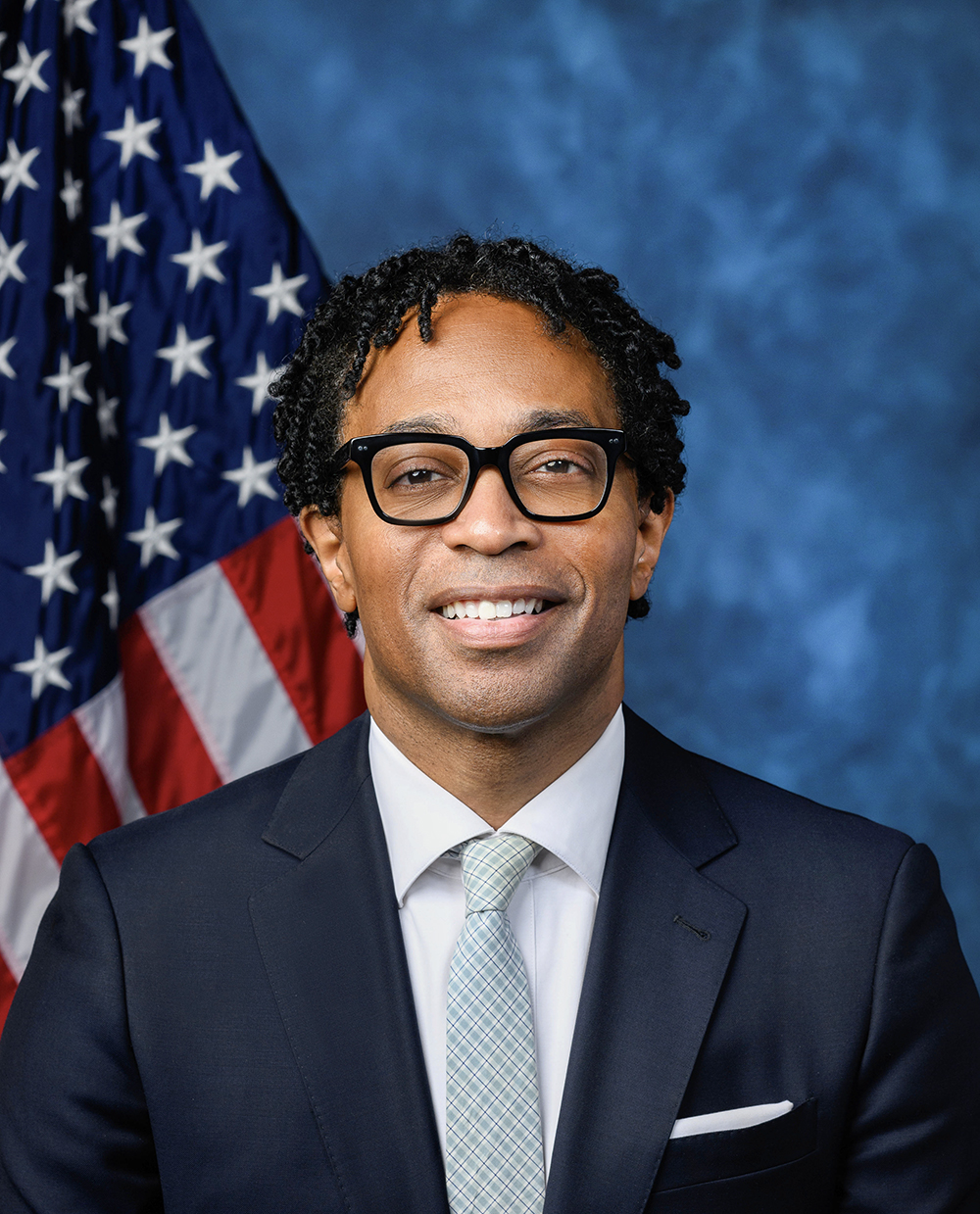
Rep. Wesley Bell
Sponsored bills
Maddy summaryHRES 921 is a symbolic resolution recognizing the 30th anniversary of the Dayton Peace Accords, signed on December 14, 1995, which ended the Bosnian War. It commemorates the agreement that halted violence, established Bosnia and Herzegovina’s sovereignty, and created a framework for peacebuilding. The resolution acknowledges Dayton, Ohio’s role in hosting the negotiations and honors the Bosnian-American diaspora, while reaffirming U.S. support for Bosnia’s democratic development and EU/NATO integration efforts. It contains no new policy requirements or funding, serving solely as a statement of historical recognition and ongoing diplomatic commitment.
Maddy summaryHRES 856 is a non-binding resolution expressing the House of Representatives' view that the U.S. Department of Agriculture (USDA) should use its existing contingency funds and interchange authority to fund the Supplemental Nutrition Assistance Program (SNAP) for November 2025. The resolution cites that the USDA holds over $5 billion in contingency funds set aside for emergencies and has legal authority under the Department of Agriculture Organic Act to transfer funds between nutrition programs to maintain SNAP benefits. This would directly support approximately 42 million people relying on SNAP, including 16 million children, 8 million seniors, 4 million people with disabilities, and 1.2 million veterans, preventing disruption during a potential funding gap. The resolution does not create new law but urges the administration to use existing resources to ensure continued food assistance.
Maddy summaryThe Artificial Intelligence Civil Rights Act of 2025 requires developers and deployers of AI systems that make decisions affecting "consequential actions" (such as employment, housing, healthcare, education, and credit) to conduct pre-deployment evaluations and annual impact assessments by independent auditors. The bill mandates transparency requirements including clear disclosures to individuals about how AI is used in decision-making, establishes a right to human alternatives for significant AI-driven decisions, and prohibits discrimination based on protected characteristics like race, gender, or disability. It creates enforcement mechanisms through the Federal Trade Commission, state attorneys general, and private lawsuits, with penalties including civil penalties of up to 4% of annual revenue. The act also requires developers to provide explanations for AI-driven decisions and sets standards for data collection to prevent harm and ensure fairness in critical life areas.
Maddy summaryHR 6358, the Veteran Education Empowerment Act, creates a federal grant program to help colleges establish or improve dedicated Student Veteran Centers. These centers provide veterans, active-duty service members, and their families with lounge space, benefits counseling, academic support, and mental health services. Institutions must serve significant numbers of veterans and have sustainability plans to qualify for grants, with funding capped at $500,000 per institution over four years. The bill directly affects colleges serving veterans and aims to address challenges like isolation and transition difficulties through centralized campus support.
Give Kids a Chance Act of 2025 This bill expands the Food and Drug Administration’s (FDA’s) authority with respect to research on rare pediatric diseases, including by permitting the FDA to take enforcement action against drug sponsors that fail to satisfy pediatric study requirements and by reauthorizing programs that support pediatric research. Specifically, the bill modifies requirements relating to molecularly targeted pediatric cancer investigations to permit research on new drugs in combination with active ingredients that have already been approved, provided certain conditions are met; permits the FDA to take enforcement action against drug sponsors that fail to comply with pediatric study requirements, if such sponsors demonstrated a lack of due diligence in satisfying the requirement; renews the FDA’s authority to award priority review vouchers to sponsors of new products intended to treat rare pediatric diseases through September 30, 2029; and reauthorizes through FY2027 certain funding for the National Institutes of Health to support priority pediatric research. The bill also provides statutory authority for the FDA’s interpretation of the orphan drug exclusivity period. The bill specifies, consistent with FDA regulations, that the seven-year market exclusivity period for drugs for rare diseases or conditions (i.e., orphan drugs) prohibits the approval of the same drug for the same approved use or indication with respect to the disease or condition. (In Catalyst Pharmaceuticals, Inc. v. Becerra , a court rejected the FDA’s interpretation and held that orphan drug exclusivity extends to all uses or indications for the disease or condition.)
Maddy summaryThis bill ensures FEMA can continue disaster relief operations during government funding gaps by authorizing the agency to use existing Disaster Relief Fund balances. It allows FEMA to process claims and payments for both current and future disasters (including individual and public assistance) without interruption, while maintaining necessary staff and contracts. The bill prohibits diverting Disaster Relief Fund money during shutdowns (except for mandatory legal requirements) and explicitly designates FEMA operations as "essential" under the Anti-Deficiency Act to protect life and property. It directly affects disaster victims by preventing aid delays during budget disputes.
Maddy summaryThis bill establishes a federal program to help low-income households pay for drinking water and wastewater services. It provides $500 million annually (2026-2030) in grants to states and tribes that already administer energy assistance programs, allowing them to cover past-due bills or other costs for households meeting specific income criteria (e.g., receiving certain federal benefits or earning ≤150% of the poverty level). The program prohibits using these funds to replace existing assistance and requires technical help to streamline eligibility. It directly affects low-income households in participating states and tribes, particularly those facing water affordability challenges.
Maddy summaryThis bill requires military child and youth programs - including military child development centers, Department of Defense youth programs, and family home day care providers receiving DoD funding - to notify parents or guardians within 24 hours of suspecting child abuse or neglect. It also mandates that these programs report such incidents to the Senate and House Committees on Armed Services, state senators representing the location, and the local House representative within 72 hours. The law directly affects military-connected families and child care providers operating under DoD programs, ensuring faster transparency for both families and oversight bodies. The policy creates a clear timeline for reporting suspected abuse, aiming to improve responsiveness without altering existing child welfare protocols.
Maddy summaryHRES 899 is a symbolic House resolution recognizing the Transgender Day of Remembrance and memorializing transgender people killed by violence in 2024-2025. It directly affects transgender individuals, particularly transgender women of color, by acknowledging the epidemic of violence against them - citing 27 U.S. victims (including names like Rick Alastor Newman and Kyla Jane Walker) and 241 global cases in 2025. The resolution’s key provisions include formally recognizing the violence epidemic, memorializing specific lives lost, and affirming the need for solutions to protect transgender people. It does not create new laws but expresses congressional support for addressing systemic violence and discrimination faced by transgender communities.