

Maddy summaryHR 2623, the Innovative Therapies Centers of Excellence Act of 2025, directs the Department of Veterans Affairs to establish at least five specialized medical centers focused on treating veterans with specific conditions like PTSD, depression, chronic pain, and substance use disorders using innovative therapies. These centers must meet strict criteria, including academic partnerships with medical schools, research capabilities, veteran advisory committees, and data-sharing systems for evaluating treatment effectiveness. The bill authorizes $30 million annually for these centers' research and education activities and requires the VA to submit annual reports to Congress on their operations and findings. It directly affects veterans seeking advanced treatments for covered conditions through VA facilities and establishes a peer review process to select designated centers based on scientific merit.
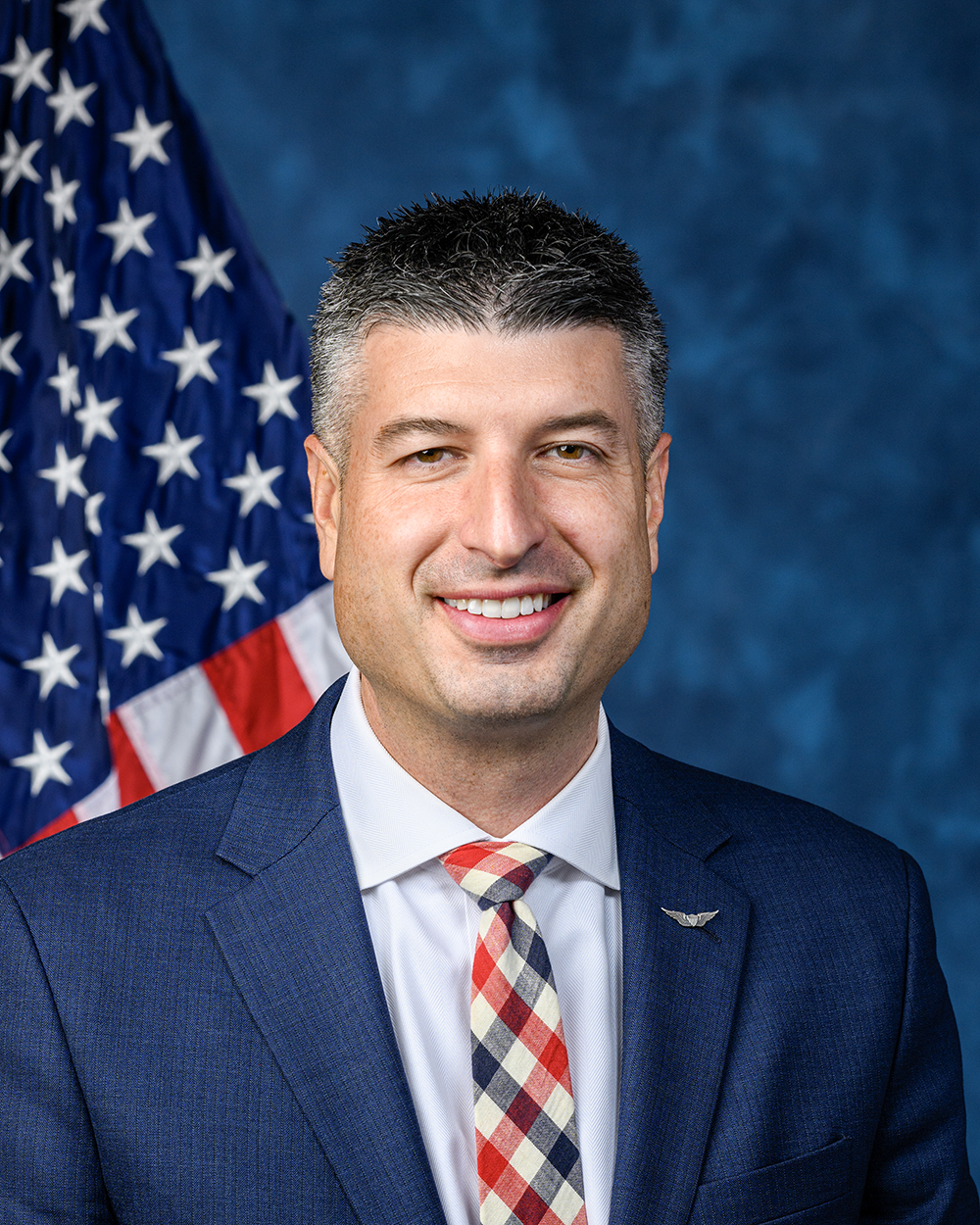
Rep. Tom Barrett
Sponsored bills
Maddy summaryThis bill grants federal recognition to the Grand River Bands of Ottawa Indians of Michigan, a tribe that has sought recognition since filing a petition in 2000. It affirms their status as a federally recognized tribe, making them eligible for all federal services and benefits (including social services, education, housing, and elder care) regardless of reservation status or member location. Key provisions include requiring the tribe to submit a membership roll within 18 months and authorizing the Secretary of the Interior to acquire land in specified Michigan counties for the tribe’s trust. The bill addresses decades-long delays in recognition that prevented the tribe from accessing federal resources.
Maddy summaryHR 3184, the PFAS Alternatives Act, funds research to develop turnout gear (firefighter safety clothing) without harmful PFAS chemicals, directly affecting firefighters who wear this gear. It authorizes $25 million annually (2025-2029) for grants to eligible organizations to research and test PFAS-free gear, requiring partnerships with firefighting groups to translate findings into practice. The bill also allocates $2 million yearly (2027-2031) for training programs on safe gear use and decontamination. Its goal is to reduce firefighters' exposure to chemicals linked to occupational illnesses during operations.
Maddy summaryThis bill creates a federal grant program to help cover medical costs for retired Federal working dogs (like police or military K9s). It authorizes $1 million annually (2026-2030) for eligible nonprofits with a two-year history of providing such care to dogs that have received official retirement letters and are now with their handlers. The grants allow these organizations to pay for veterinary expenses, directly supporting retired service dogs and their handlers. The program is administered through the Department of Homeland Security under existing grant authority.
Maddy summaryThe Housing Supply Frameworks Act (HR 2840) directs the Department of Housing and Urban Development (HUD) to create federal guidelines and best practices for state and local governments to reform zoning rules that restrict housing supply. It focuses on practical changes like reducing parking minimums, allowing more housing types (e.g., duplexes, accessory dwellings), streamlining approval processes, and increasing density near transit - aiming to address a nationwide housing shortage affecting cost-burdened households. The guidelines, developed with public input from planners, developers, and community groups, are intended to help states and localities voluntarily adopt reforms that increase housing availability across income levels. States and localities that adopt these recommendations must report progress to Congress within five years, though the bill does not mandate specific changes or provide direct housing construction funds.
Maddy summaryHR 2897 expands eligibility for Small Business Administration disaster loans to cover damages from prolonged power outages. It defines a "prolonged power outage" as affecting at least 25 homes or businesses in a county (with 40% property damage) or requiring 48+ hours of power loss. Borrowers can use loan funds to purchase energy resilience systems (like solar panels or generators) or replace lost food/drinks due to the outage. This directly affects small businesses in areas impacted by extended power disruptions meeting the specified criteria.
Maddy summaryHR 2755, the Lowboy Auto Hauler Fairness Act of 2025, modifies federal trucking regulations to specifically address lowboy trailers used for transporting assembled vehicles. It defines "lowboy trailer" and creates a new exception allowing truck-tractor-lowboy trailer combinations with specific overhang limits (front under 4 feet, rear under 6 feet) to operate without being subject to standard vehicle length restrictions. The bill also exempts these lowboy trailers from the rear overhang flag requirements under federal regulations. This directly affects auto haulers who use lowboy trailers for transporting vehicles, providing regulatory clarity and flexibility for their operations.
Maddy summaryHR 1793, the Veterans Readiness and Employment Transparency Act of 2025, requires the Department of Veterans Affairs (VA) to improve access to vocational rehabilitation services for veterans with service-connected disabilities. The bill mandates a dedicated VA hotline, updated regional office websites with contact details, and requires VA counselors to hold monthly staff Q&A sessions and provide in-person briefings at local educational institutions (or virtual briefings for institutions over 150 miles away). It also requires the VA to submit an annual report detailing the number of veterans requesting, receiving, and being denied extensions to their rehabilitation program periods. These provisions directly affect veterans using VA vocational rehabilitation programs and VA regional office staff responsible for delivering those services.
Maddy summaryHR 1423, the Guard and Reserve GI Bill Parity Act of 2025, expands GI Bill benefits to National Guard members who serve on full-time National Guard duty or active duty under Title 32. It removes previous exclusions by counting this service toward eligibility for Post-9/11 educational benefits, just like active-duty service. The change applies retroactively to service performed since September 11, 2001, allowing affected veterans to access benefits they were previously denied. This policy adjustment directly affects National Guard members who completed qualifying full-time duty since 2001.
Maddy summaryThe Great Lakes Mapping Act of 2025 requires the National Oceanic and Atmospheric Administration (NOAA) to create high-resolution maps of all Great Lakes lakebeds by December 31, 2030. This includes collecting detailed depth measurements, cataloging existing data, and managing metadata, with NOAA coordinating with Great Lakes states, regional councils, and existing initiatives. The bill mandates that partial maps be shared publicly during the project and the full map with supporting data must be released within 180 days of completion. It authorizes $50 million annually (2025-2029) for this effort, with funds available through 2030. The law directly affects NOAA and its partners, enabling improved resource management and navigation through publicly accessible lakebed data.