

Maddy summaryThis bill redesignates the existing National Parks and Public Land Legacy Restoration Fund as the America's Legacy Restoration Fund to address deferred maintenance on federal lands. It directs revenue from recreation fees and a portion of energy development income into the fund, which must be used primarily for repairing critical infrastructure like roads, trails, and buildings managed by agencies such as the National Park Service and the Forest Service. The legislation establishes strict rules requiring that most funds go toward non-transportation projects, mandates transparency through public dashboards tracking project status, and sets aside a small percentage for matching private donations. Additionally, the bill increases entrance fees for foreign visitors to ensure they contribute to the fund, while prohibiting the use of these specific funds for land acquisition or employee bonuses.
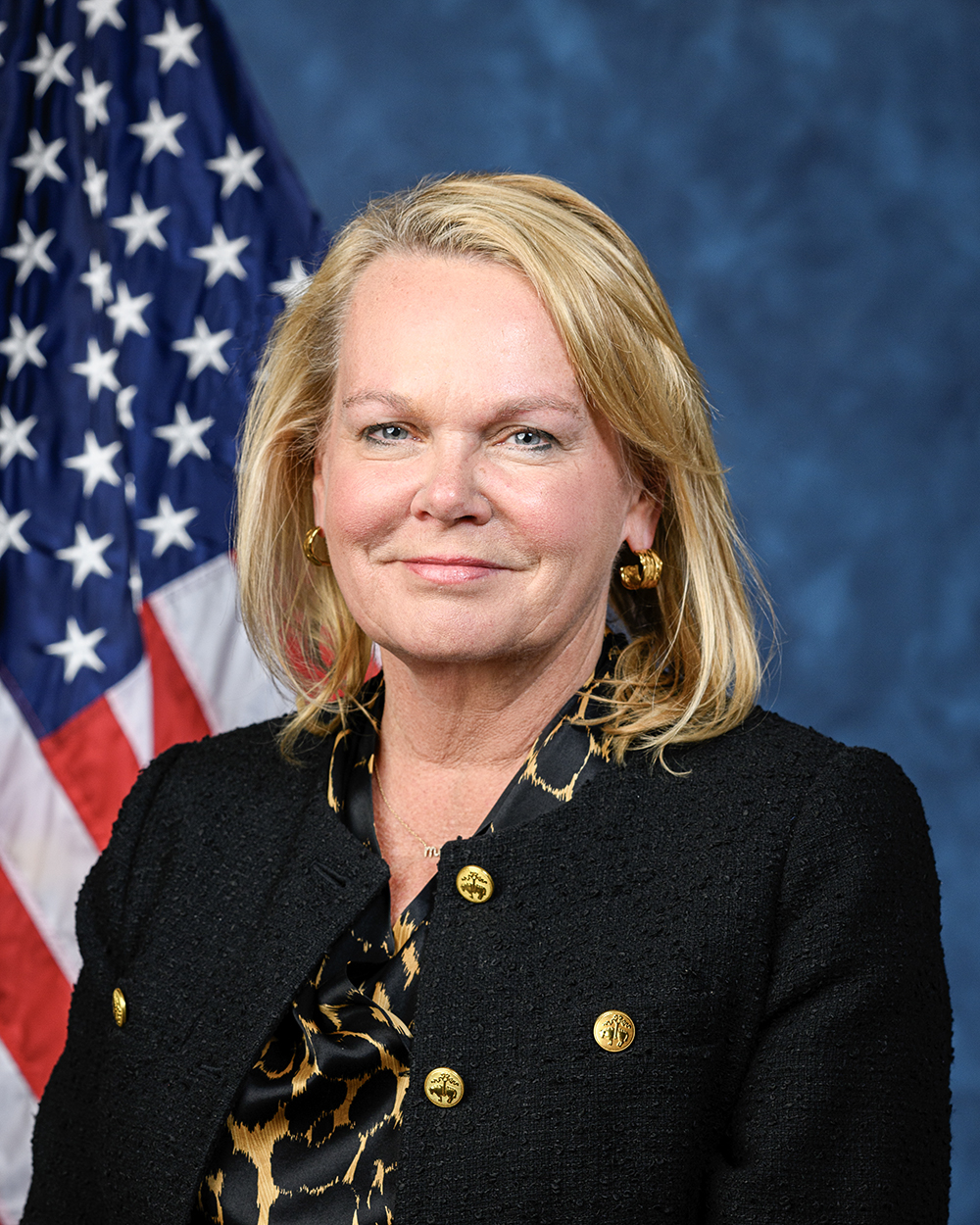
Rep. April McClain Delaney
Sponsored bills
Maddy summaryThe Protect Local Funding Act prohibits federal agencies from finalizing, implementing, or enforcing a specific proposed rule regarding federal financial assistance scheduled for publication in May 2026. This legislation directly affects the Office of Management and Budget and other federal agencies by legally blocking them from acting on that particular regulation. By preventing the enforcement of this rule, the bill aims to stop a specific administrative action that could impact how federal funds are distributed. The measure does not alter existing funding programs but rather serves as a procedural barrier to a future regulatory change.
Maddy summaryThe Keep Public Funds in Public Schools Act of 2026 eliminates a federal tax credit that allowed parents to deduct contributions to scholarship granting organizations from their income. By removing these specific tax breaks, the bill prevents the use of public tax dollars to support private school vouchers and scholarship programs. This change directly affects families who currently rely on these tax incentives to fund education outside the public school system. The provisions take effect for taxable years beginning after December 31, 2026.
Maddy summaryThis bill directs the Assistant Secretary of Commerce for Communications and Information to conduct a comprehensive study on various broadband internet technologies, including fiber-optic cables, satellite systems, and mobile wireless networks. The study will examine specific factors such as workforce needs, deployment costs, internet speed and latency, equipment lifespan, and monthly subscription prices for consumers. The findings will be compiled into a report submitted to Congress within one year of the bill's enactment to inform future policy decisions regarding broadband infrastructure.
Maddy summaryHR 5408, the Faster Labor Contracts Act, requires employers to begin negotiating a first contract with a newly certified union within 10 days of written request. If no agreement is reached within 90 days, the parties must seek mediation, and if unresolved after 30 days of mediation, the dispute moves to binding arbitration by a three-member panel. The arbitration decision, based on factors like employer finances, industry standards, and cost of living, becomes binding for two years. This bill directly affects newly certified unions and their employers during initial contract negotiations, aiming to reduce delays that currently average 465 days.
Maddy summaryH.R. 1350 is a non-binding resolution that expresses the House of Representatives' support for creating a National Day of Honor and Respect alongside Constitution Day and Citizenship Day. The bill aims to honor immigrants and diverse backgrounds while encouraging positive interactions among citizens and reducing hate and discrimination. It also affirms the importance of promoting civic education and public service across the nation.
Maddy summaryThe Helen Keller Education Act aims to improve educational outcomes for children with deafblindness by requiring states to identify and serve these students regardless of how they are currently classified. The bill mandates that schools evaluate deafblind children using qualified professionals who understand their unique communication needs, including tactile sign language and other non-symbolic methods. It also establishes new requirements for state plans to ensure sufficient availability of specialized teachers and interveners, while providing technical assistance and updated policy guidance to parents and educators. Additionally, the legislation strengthens early intervention services for infants and toddlers with deafblindness by including specific language and communication goals in their individualized plans.
Maddy summaryThis bill, known as the Alice Cogswell and Anne Sullivan Macy Act, amends the Individuals with Disabilities Education Act to improve special education services for children who are deaf, hard of hearing, deafdisabled, blind, visually impaired, or deafblind. It requires states to identify these students regardless of how they are currently classified, ensuring they receive specialized instruction in their primary language and access to qualified professionals. Key provisions mandate that state plans include specific strategies for language development, Braille instruction, and the use of assistive technologies, while also establishing a new national center to support research and training for educators of students with visual disabilities. Additionally, the legislation clarifies definitions for deafblindness and interveners, updates data reporting requirements to track these populations more accurately, and ensures early intervention services are delivered in natural environments to support language and communication milestones.
Maddy summaryThis resolution expresses support for designating June 5, 2026, as National Gun Violence Awareness Day and June 2026 as National Gun Violence Awareness Month. The bill calls on the public to wear orange on the designated day to honor victims and promote awareness of gun safety. It highlights statistics on gun-related deaths and injuries to underscore the need for community discussions on making neighborhoods safer.
Maddy summaryThis bill, known as the Arlington National Cemetery Viewshed Protection Act, restricts the construction of large triumphal arches in the Washington, D.C. area to preserve visual sightlines. It specifically bans the building of any such arches within Lady Bird Johnson Park and prohibits the use of federal funds for these structures there. Additionally, the law prevents the erection of triumphal arches taller than 50 feet on any land managed by the National Park Service unless Congress explicitly approves them. These measures aim to limit new monumental structures that could obstruct views of the Arlington National Cemetery from the capital region.