

Maddy summaryThis bill adds glioblastoma multiforme (an aggressive brain cancer) to the list of conditions presumed connected to Agent Orange exposure for veterans. It directly affects veterans who developed this cancer after serving in Vietnam during the Vietnam era (1961-1971). The key mechanism amends VA law to automatically presume service connection for this cancer, eliminating the need for veterans to prove a direct link to exposure. This change would streamline access to disability benefits for affected veterans without altering existing benefit amounts.
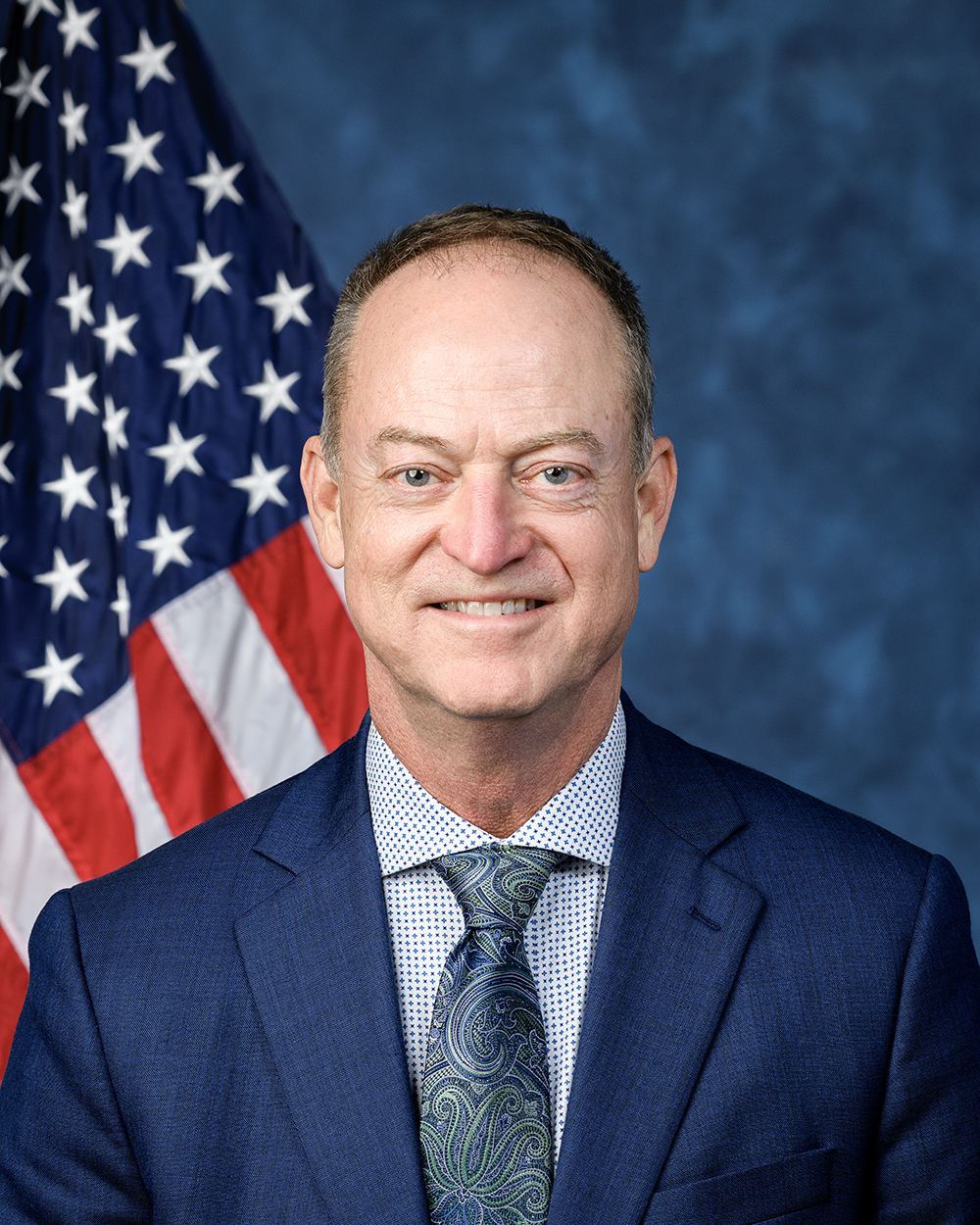
Rep. Mark B. Messmer
Sponsored bills
Maddy summaryThe FIRM Act (HR 2702) prohibits federal banking agencies from considering "reputational risk" in supervising banks and credit unions. It requires agencies to remove all references to reputational risk - defined as concerns about negative publicity affecting an institution's reputation - from regulations, examinations, and enforcement actions. The bill directly affects depository institutions (banks and credit unions) and federal regulators like the FDIC and CFPB, banning them from using reputational risk as a basis for supervision or enforcement. This policy change aims to limit regulatory actions based on subjective public opinion rather than financial safety and soundness.
Maddy summaryThis bill requires major internet companies (including social media, streaming services, and app stores) and broadband providers to contribute to the Universal Service Fund, which subsidizes affordable broadband in rural and high-cost areas. It exempts smaller companies that transmit less than 3% of U.S. broadband data or earn under $5 billion annually. The Federal Communications Commission must create a new support mechanism to help rural broadband providers cover costs, while ensuring contributions remain fair and predictable. The bill explicitly states it does not grant the FCC new authority over these companies.
Maddy summaryH.J. Res. 87 (Public Law 119-15) is a congressional disapproval resolution that prevents an Environmental Protection Agency (EPA) rule from taking effect. The rule, submitted by the EPA on April 6, 2023 (88 Fed. Reg. 20688), related to California’s authority to enforce stricter vehicle emission standards, including for heavy-duty trucks, zero-emission airport shuttles, and advanced clean truck requirements. By disapproving this rule, Congress blocks California from implementing these specific pollution controls under its existing waiver authority. This directly affects California’s ability to regulate motor vehicle emissions independently, as the rule would have allowed the state to enforce its own standards beyond federal requirements.
Maddy summaryH.J.Res. 88 disapproves an Environmental Protection Agency (EPA) rule that would have allowed California to enforce its "Advanced Clean Cars II" vehicle emission standards. This rule, submitted by the EPA on January 6, 2025, sought to grant California a waiver to override federal preemption for its stricter vehicle pollution controls. The resolution, passed by Congress and signed into law on June 12, 2025, formally nullifies the EPA rule, preventing California from implementing its Advanced Clean Cars II program under this specific waiver. The bill directly affects California's ability to set its own vehicle emission standards for passenger cars and light trucks.
Maddy summaryHJRES 89 is a congressional disapproval resolution that blocks an Environmental Protection Agency (EPA) rule concerning California's vehicle and engine pollution standards. The resolution specifically targets the EPA's "Omnibus Low NOX Regulation" and waiver of preemption, which would have allowed California to enforce stricter emissions rules. By disapproving this rule under Chapter 8 of Title 5 U.S. Code, Congress has nullified the EPA's action, meaning the regulation will have no legal effect. This directly affects the EPA's authority to approve California's state-level pollution control standards for motor vehicles.
Maddy summaryThis bill would make non-citizens deportable if they incite or participate in riots during civil unrest involving assaults on law enforcement or military personnel, or destruction of public property, and who were unlawfully present, had DACA, or were lawful permanent residents at the time of the offense. It permanently bars such individuals from reentering the U.S. or accessing any relief from deportation, including asylum, cancellation of removal, or future DACA benefits. During declared emergencies (such as national disasters or state emergencies), the law mandates expedited removal and mandatory detention for those covered, with no discretion for enforcement.
Maddy summaryHR 649, the Whole Milk for Healthy Kids Act of 2025, amends the National School Lunch Act to allow schools participating in the program to offer students both organic and non-organic whole milk, in addition to reduced-fat, low-fat, and fat-free options. Key provisions include clarifying that milk fat in whole milk should not count toward saturated fat limits for meal compliance, prohibiting schools from purchasing milk from Chinese state-owned enterprises, and ensuring schools cannot be barred from offering the full range of milk types listed. The bill directly affects public and private schools serving the National School Lunch Program by expanding their milk options for students. It focuses on concrete policy changes to dietary offerings and sourcing restrictions within the school nutrition program.
Maddy summaryHR 3608, "Connor’s Law," requires commercial motor vehicle operators (like truck and bus drivers) to read and speak English well enough to converse with the public, understand English traffic signs, respond to officials, and complete reports. The bill adds this language requirement to existing federal safety rules for commercial drivers. Drivers found noncompliant with this rule would face an "out of service" order, meaning they cannot operate their vehicle until they meet the requirement. This directly affects commercial drivers operating in the U.S. under federal safety regulations.
Maddy summaryHRES 444 is a symbolic House resolution calling on all Americans to observe Memorial Day 2025 by honoring military personnel who died in service. It does not create new laws or affect specific groups, as it is a non-binding expression of national remembrance. The resolution states that Americans should commemorate the sacrifices of over one million service members who died pursuing freedom and peace, framing Memorial Day as a day to express respect for their ultimate sacrifice. This is a routine ceremonial resolution with no policy changes or concrete mechanisms beyond urging public observance.