

Maddy summaryHR 2092, the SPEAK Act of 2025, requires the Health and Human Services Secretary to create guidance for healthcare entities within one year of enactment. This guidance focuses on improving telehealth access for people with limited English proficiency, directly affecting health IT companies, hospitals, insurers, language service providers, and interpreters. Key provisions include best practices for using interpreters during video appointments, providing multilingual patient materials (like appointment reminders and prescriptions), and making digital health portals accessible. The bill aims to standardize language access in telehealth services without changing existing laws.
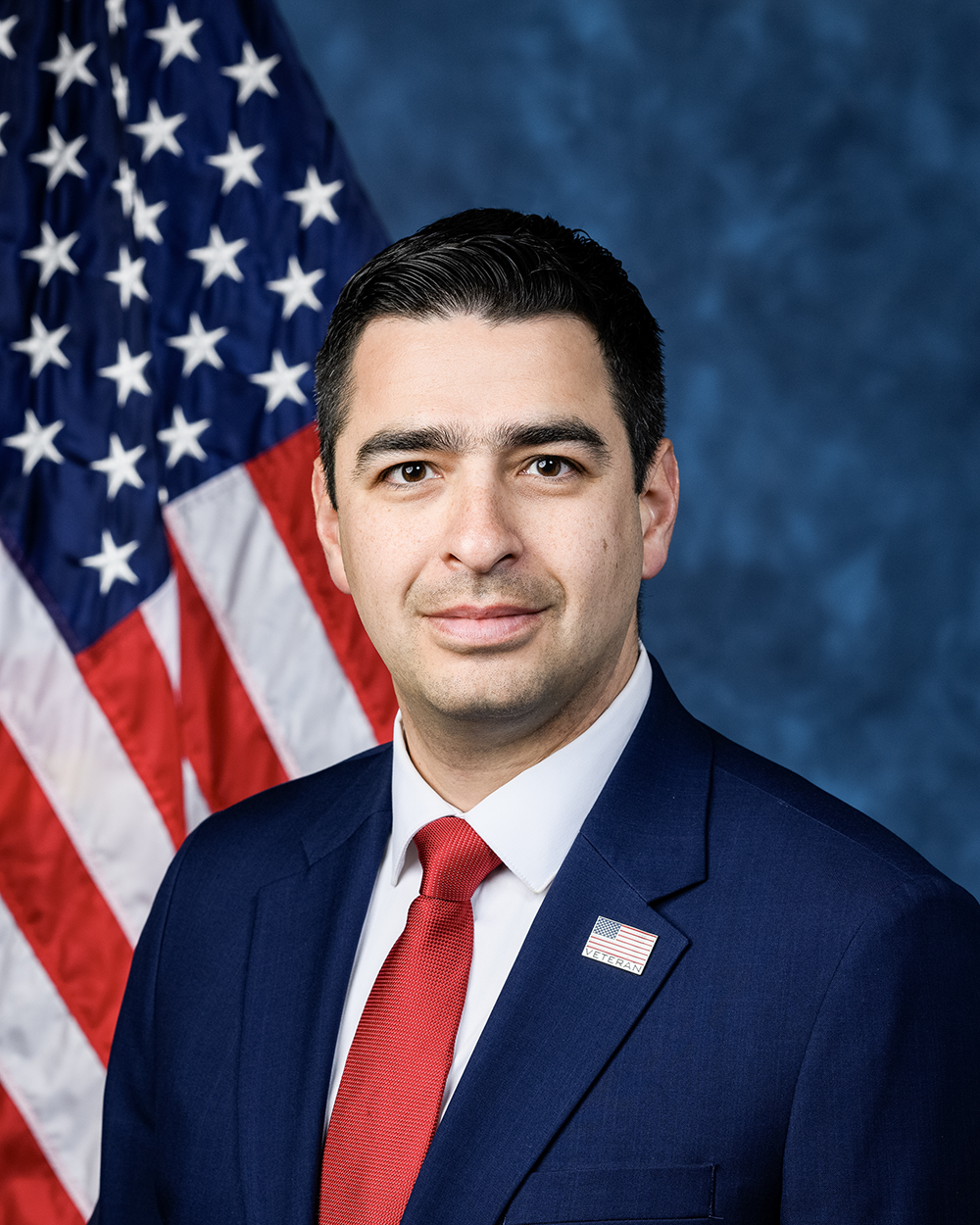
Rep. Gabe Evans
Sponsored bills
Homes for Every Local Protector, Educator, and Responder Act of 2025 or the HELPER Act of 2025 This bill establishes a program administered by the Department of Housing and Urban Development to provide mortgage assistance to law enforcement officers, elementary and secondary school teachers, firefighters, or other first responders. Specifically, these individuals may be eligible for a first-time mortgage on a primary family residence with no down payment. Instead, the mortgage is subject to a one-time, up-front mortgage insurance premium.
Maddy summaryThis bill changes how individual investors in mutual funds (regulated investment companies) are taxed on certain dividends. It allows investors to defer paying tax on capital gain dividends that are automatically reinvested in additional fund shares through a dividend reinvestment plan. The deferred tax is recognized later when the investor sells shares or upon their death. It also establishes that shares acquired through this reinvestment are treated as held for over one year from the start, potentially qualifying for long-term capital gains rates. The rule applies only to individual investors (not estates, trusts, or dependents claimed by others).
Maddy summaryHR 2042 establishes the Space National Guard as a reserve component of the Space Force, specifically for seven states (Alaska, California, Colorado, Florida, Hawaii, New York, and Ohio). It transfers existing Air National Guard space units - like the 213th Space Warning Squadron in Alaska and the 137th Space Warning Squadron in Colorado - to this new structure, while prohibiting additional personnel or new facilities. The bill requires the Secretary of the Air Force to implement the change within one year and provide annual reports to Congress on its status, missions, and funding. This reorganization officially recognizes these state-based units as part of the Space Force reserve without creating new military capabilities or infrastructure.
Maddy summaryThis bill requires the Department of Homeland Security (DHS) to create a new department-wide policy and process to protect sensitive research and development projects from unauthorized access or disclosure during acquisitions. It directly affects DHS research programs by mandating specific security safeguards for their work. Key provisions include requiring DHS to develop this policy within one year, submit a GAO report on compliance with existing national security guidelines (NSPM-33), and provide a congressional briefing on implementing the new security framework. The bill focuses on establishing concrete security protocols for DHS research, not on funding or broader policy changes.
Maddy summaryHR 708, the SHIELD Against CCP Act, establishes a DHS working group to coordinate efforts against security threats posed by the Chinese Communist Party. The working group examines DHS programs targeting terrorism, cyber threats, border security, and transportation security, specifically focusing on the CCP's nontraditional tactics (like identity theft and visa exploitation), predatory economic practices, fentanyl trafficking, and illicit financial activity. It requires annual reports to Congress on these threats, identifies gaps in current responses, and ensures privacy compliance and coordination with federal and local partners. The working group expires seven years after its creation.
Maddy summaryThis is a non-binding resolution (HRES 206), not a legislative bill. It expresses the House's support for preserving the "stepped-up basis" tax provision (Section 1014 of the Internal Revenue Code), which allows heirs to reset the tax cost basis of inherited assets like farmland or business equipment to their current market value. The resolution cites that 98% of farms and 19% of businesses are family-owned, noting that eliminating this provision could increase taxes for 66% of midsized farms. It specifically urges opposition to new taxes on family farms and small businesses but does not change any tax law or policy.
Maddy summaryHR 1997, the Productive Public Lands Act, requires the Bureau of Land Management (BLM) to reissue nine specific existing resource management plans within 60 days of enactment, updating their "preferred alternatives" as previously selected. The bill directly affects BLM field offices managing public lands in Colorado, Wyoming, and other areas covered by these plans. Key provisions formally deem these reissued plans compliant with environmental laws (like NEPA) and eliminate the need for additional environmental reviews. This is a procedural bill finalizing prior decisions, not creating new land use policies.
Maddy summaryThis bill ensures military personnel, civilian Defense workers, and supporting contractors continue receiving pay during government funding gaps in fiscal year 2025. It provides temporary funding from existing Treasury reserves to cover salaries for active-duty troops, reservists, Defense civilians, and contractors supporting military operations until Congress passes a full budget or by January 1, 2026. The measure directly affects all active-duty service members, reserve components, and their civilian/contractor support staff across the military. It does not create new policies but guarantees uninterrupted pay during budget implementation delays.
Federal Firearms Licensee Protection Act of 2025 This bill modifies criminal penalties for an offense involving the theft of a firearm from a licensed importer, manufacturer, or dealer, or from their business premises. Specifically, the bill does the following: increases from 10 to 20 years the maximum prison term, and creates a 3- or 5-year mandatory minimum prison term for an offense that occurs during the commission of a burglary or robbery. An attempt to commit an offense is subject to the same penalties as a substantive offense.