

Maddy summaryThe CLEANER Act of 2025 requires the EPA to evaluate within one year whether drilling fluids, produced waters, and other wastes from oil, gas, and geothermal operations qualify as hazardous waste under federal law. If determined hazardous, the EPA must list these wastes and create tailored regulations for their handling, while also setting new safety standards for facilities managing non-hazardous waste from these sources. Key provisions include mandatory groundwater monitoring, location criteria for waste facilities, and financial assurance requirements to protect public health and the environment. This bill directly affects oil and gas producers, waste management facilities, and geothermal energy operations by imposing new regulatory obligations on their waste streams.
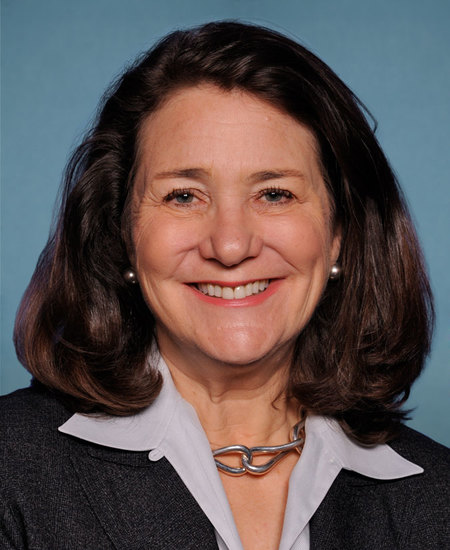
Rep. Diana DeGette
Sponsored bills
Maddy summaryThis bill requires oil and gas companies conducting hydraulic fracturing operations to disclose detailed chemical ingredients before starting and within 30 days after completing operations. Companies must provide full chemical names, CAS numbers, safety data sheets, and volumes to state or federal authorities, who then make this information publicly available online. The bill includes an exception allowing immediate disclosure of proprietary chemical formulas during medical emergencies, though companies can later request confidentiality agreements. It directly affects fracking operators in oil, gas, and geothermal production, amending the Safe Drinking Water Act to mandate transparency while maintaining trade secret protections outside emergency situations.
Closing Loopholes for Oil and other Sources of Emissions Act or the CLOSE Act This bill amends the Clean Air Act to revise requirements for hazardous air pollutants. Specifically, the bill allows (1) emissions from oil or gas exploration or production wells and emissions from pipeline compressors or pump stations to be aggregated with emissions from other similar sources and regulated as a major source of toxic air pollutants, (2) emissions from those wells to be aggregated for purposes of emissions standards for hazardous air pollutants, and (3) emissions from oil or gas production wells to be regulated as an area source of toxic air pollutants. The Environmental Protection Agency must (1) issue a final rule adding hydrogen sulfide to the list of hazardous air pollutants; and (2) revise the list of air pollution sources within 365 days after issuing the rule to include categories and subcategories of major sources and area sources of hydrogen sulfide, including oil and gas wells.
Maddy summaryHR 6056, the International Human Rights Defense Act of 2025, establishes a permanent Special Envoy at the State Department to lead U.S. foreign policy efforts addressing discrimination and violence against LGBTQI+ people globally. The bill requires the U.S. government to develop and update a biannual global strategy to prevent criminalization and violence against LGBTQI+ individuals, mandate detailed reporting on such abuses in annual country reports, and ensure all U.S. foreign assistance programs include inclusive nondiscrimination policies. This legislation directly affects U.S. foreign policy implementation, federal agencies receiving funding, and LGBTQI+ communities facing persecution worldwide. The bill aims to coordinate U.S. government efforts across departments and with international partners to advance LGBTQI+ rights globally through concrete policy mechanisms.
Maddy summaryThis bill, HR 5973, requires federal immigration enforcement personnel to follow strict limits on force use, including proportional application, mandatory de-escalation efforts, and prohibitions on equipment like flash bangs or rubber bullets except for specific public safety threats. It mandates body-worn and vehicle cameras for all operations, with footage retained for one year (three years for force incidents or complaints), and grants affected individuals the right to inspect recordings. The law also requires annual training on force policies, First Amendment compliance, and racial bias avoidance, while demanding detailed quarterly reports to Congress on force usage, assaults on agents, and equipment approvals. These provisions directly affect all federal immigration agents conducting enforcement actions, aiming to increase transparency and accountability during operations.
Maddy summaryHRES 846 is a symbolic resolution designating October 2025 as National Domestic Violence Awareness Month. It expresses the House's support for raising awareness about domestic violence and its impacts, and calls for continued congressional attention to ending domestic violence through existing programs. The resolution does not create new laws, allocate funding, or directly affect any specific groups - it is purely a statement of support. It references statistics on domestic violence prevalence but focuses on awareness rather than policy changes.
Maddy summaryThe American Energy Independence and Affordability Act extends multiple clean energy tax credits that were set to expire between 2025 and 2026. It specifically extends residential clean energy credits through 2034, clean electricity investment credits for wind and solar through 2032, and clean vehicle credits for electric vehicles through 2032. The bill also reinstates special rates for sustainable aviation fuel and modifies requirements for energy-efficient home improvements. These provisions directly affect homeowners installing solar panels, businesses investing in clean energy infrastructure, and manufacturers producing clean energy equipment.
Maddy summaryHR 5705 requires the federal government to reimburse state agencies for funds they use to maintain participation in the WIC program during a government shutdown. It directly affects states that cover WIC costs using their own money when federal funding lapses. The bill establishes a process where states can seek reimbursement from the federal government after the shutdown ends. This ensures states aren’t burdened with costs for a federal funding gap that impacts nutrition assistance for women, infants, and children.
Maddy summaryHR 5707, the Voter Purge Protection Act, sets strict standards for states removing voters from registration lists. It requires states to use only objective, reliable evidence (like proof of death or moved residence) to remove voters - not factors like not voting or not responding to notices - and mandates 48-hour written notice to affected voters with reinstatement instructions. States must also issue public notices about removal programs to help voters verify their status. This bill directly affects state election officials and voters whose registration might be challenged, aiming to prevent improper removals under the National Voter Registration Act. It amends existing federal voting laws to enforce these new verification and notice requirements.
Maddy summaryHR 5673, titled "Stop the Trump Electricity Price Hikes Act," would reinstate financial assistance awards terminated by the Department of Energy under a May 15, 2025, secretarial memorandum. It directly affects recipients of these awards - likely energy or infrastructure projects - that had their funding cut, by restoring their financial support as if the terminations never occurred. The key mechanism requires the Department to treat all such terminated awards as valid and continuing, overriding prior termination actions. This bill does not address electricity pricing, consumer rates, or introduce new energy regulations.