

Maddy summaryHR 3842, the Expanding Access to Diabetes Self-Management Training Act of 2023, would improve Medicare coverage for diabetes self-management training (DSMT) services for beneficiaries with diabetes. The bill expands provider eligibility to include nonphysician practitioners (like nurse practitioners), increases available training hours (initial 10 hours plus up to 2 hours annually), and requires 100% Medicare coverage with no out-of-pocket costs for beneficiaries. It also mandates a new demonstration project starting in 2025 to test virtual DSMT services, evaluating impacts on health outcomes (like A1c levels), hospitalizations, and program costs. This legislation directly affects Medicare beneficiaries with diabetes and healthcare providers offering DSMT services.
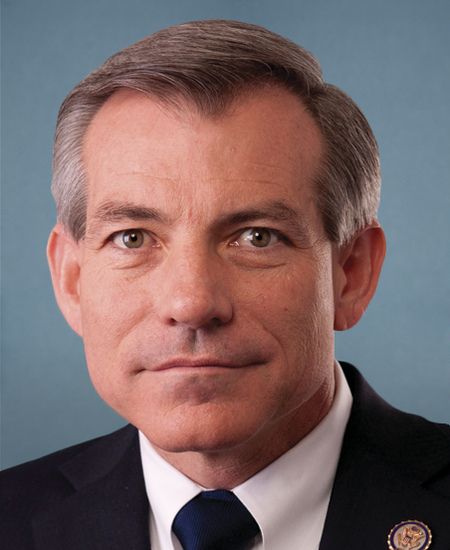
Rep. David Schweikert
Sponsored bills
Maddy summaryHR 3611, the Kazakhstan Permanent Normal Trade Relations Act of 2023, makes Kazakhstan's existing "normal trade relations" (NTR) status permanent by removing the need for annual U.S. presidential reviews under the Trade Act of 1974. This bill directly affects U.S. trade policy with Kazakhstan, ending the requirement for the President to annually determine whether Kazakhstan meets emigration freedom standards (which it has satisfied since 1997). The key provision allows the President to formally extend permanent NTR treatment to Kazakhstan's products, eliminating the current annual review process. Once enacted, Kazakhstan would automatically receive the same most-favored-nation tariff rates as other NTR countries, streamlining trade without further congressional action.
Maddy summaryHR 3535, the Advancing America’s Interests Act, amends Section 337 of the Tariff Act of 1930 to clarify how the U.S. International Trade Commission (USITC) handles trade complaints involving patents, copyrights, or trademarks. It requires complainants to prove their licensees' activities directly lead to U.S. sales of covered products, and mandates the USITC to consider public health, consumer impact, and economic effects before excluding imported goods. The bill also adds procedures for expedited review of certain cases and limits the USITC’s ability to terminate investigations without a full determination. This directly affects companies filing trade complaints and the USITC’s decision-making process under Section 337.
Maddy summaryThe Strengthening Tribal Families Act of 2023 requires U.S. states receiving federal child welfare funding to explicitly comply with the Indian Child Welfare Act (ICWA) of 1978. It amends federal law to mandate that state child welfare agencies follow ICWA standards in cases involving Native American children, including timely tribal notice and proper placement decisions. The bill establishes specific metrics for measuring compliance, such as tracking how often courts return cases for insufficient "active efforts" and documenting foster care or adoption placements. States must submit biennial reports to Congress on their progress, and a new federal process will develop standardized compliance assessment tools by 2024. This directly affects state child welfare agencies, tribal organizations, and Native American families involved in custody proceedings.
Maddy summaryThe Strengthening Tribal Families Act of 2023 requires state child welfare agencies to comply with the Indian Child Welfare Act of 1978 (ICWA) in all cases involving Native American children. It amends federal child welfare laws to mandate specific ICWA compliance measures in state plans, such as timely tribal notice in custody cases and proper foster care placements. The bill establishes a system for measuring state compliance, tracking factors like identification of Indian children and court decisions on parental rights. States must submit biennial reports to Congress on their progress in meeting these requirements.
Maddy summaryThe PASTEUR Act establishes a new subscription payment model to incentivize development of new antimicrobial drugs for resistant infections. It creates a Committee on Critical Need Antimicrobials and a Subscription Contract Office to manage payments based on specific drug characteristics like treating multi-drug resistant infections, novel mechanisms of action, and oral administration. Under this model, the government would pay drug developers up to $3 billion over 10 years for qualifying drugs, with payments tied to requirements like ensuring drug availability, reporting resistance data, and developing appropriate use plans. The bill aims to address the lack of new antimicrobial drugs by changing the funding model to reward drugs that meet specific clinical and public health needs.
Maddy summaryThis bill would require Medicare to cover FDA-approved blood tests that screen for multiple cancers simultaneously (like breast, lung, or colorectal cancer) for beneficiaries. It directly affects Medicare recipients aged 65+ who could access these new screenings once per year, without prior authorization. The key provision adds "multi-cancer early detection screening tests" to Medicare's covered services under Part B, defining them as blood tests analyzing cell-free DNA, while maintaining existing coverage for standard screenings like mammograms. The bill does not change current coverage for individual cancer screenings but ensures Medicare keeps pace with new medical technology.
Maddy summaryThis bill expands Medicare Part B coverage to include specific pharmacist services, directly affecting Medicare beneficiaries and pharmacists who provide these services. It adds new coverage for pharmacist evaluations and treatments related to certain illnesses (like COVID-19, flu, or strep throat) and public health emergencies, requiring payment at 80% of the lesser of actual charge or 85% of physician payment rates (100% during emergencies). The bill also prohibits balance billing for these services, ensuring beneficiaries pay only the standard Medicare copayment. These changes aim to improve access to pharmacist care during health crises while aligning payment with existing physician service frameworks.
Maddy summaryHR 1610 would modernize Medicare coverage for chiropractic care by removing the current restriction that limited beneficiaries to one chiropractic service per visit. It expands coverage to include all services provided by licensed chiropractors within their state-authorized scope, aligning Medicare with VA, military, and private insurance practices. The bill requires chiropractors to complete a Secretary-approved educational webinar to cover non-spinal services, while still allowing payment for spinal manipulation treatments without this requirement. This directly affects Medicare beneficiaries seeking chiropractic care and chiropractors seeking Medicare reimbursement for their services.
Maddy summaryThis bill repeals specific provisions from the Affordable Care Act and its 2010 amendment that restricted certain physician referrals to hospitals under Medicare. It directly affects hospitals and physicians who previously faced limitations on referring Medicare patients to facilities they owned or had financial ties with. The key mechanism restores the original rules that allowed such referrals without the prior restrictions, effectively undoing the 2010 changes. This is a procedural change to existing law, not a new policy.