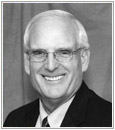
Photo of Bill Hansell
R Oregon Senate · District 29

Sen. Bill Hansell

Contact Email
Compare
Total votes
5,130
all sessions
Attendance
84%
460 missed
Lower than 84% of chamber peers
With party
91%
of cast votes
Near the chamber average
Bipartisan score
7%
crosses aisle rarely
Near the chamber average
Sponsored
594
bills & resolutions
Higher than 87% of chamber peers
Committees
0
assignments
594 bills and resolutions

Sponsored bills

Total
594
Primary
336
Co-sponsor
258
This page
594
matching current filters
Co-sponsor SB 1553
Signed into law · Oregon Senate · Co-sponsor
Relating to the addiction crisis in this state.

Digest: The Act changes the crime of interfering with public transportation. The Act makes using drugs on public transit a new way of committing the crime. (Flesch Readability Score: 65.5). Modifies the crime of interfering with public transportation to include the use of an unlawfully possessed controlled substance while in or on a public transit vehicle [ or public transit station ]. Punishes by a maximum of 364 days' imprisonment, a $6,250 fine, or both. Provides that the new manner of committing interfering with public transportation is a designated drug-related misdemeanor for purposes of supervision duty and funding.

Signed into law Mar 28, 2024 1 co-sponsor
Co-sponsor SB 1579
Signed into law · Oregon Senate · Co-sponsor
Relating to child abuse; declaring an emergency.

Digest: The Act creates a new fund for a current grant program that provides moneys for child abuse response programs. The Act directs DOJ to create a one-time grant program to expand access to services and supports from CACs. (Flesch Readability Score: 69.5). [ Digest: The Act creates a new fund for a current grant program that provides moneys for child abuse response programs. The Act directs DOJ to create a one-time grant program to expand access to services and supports from CACs. The Act creates a task force to audit how this state has complied with Karly's Law and to study other matters related to services provided to victims of child abuse. (Flesch Readability Score: 64.3). ] Establishes the Children's Advocacy Center Fund. Provides that the Legislative Assembly shall appropriate sufficient moneys to the fund that are necessary to fully fund the existing grant program to establish, maintain and support children's advocacy centers and regional children's advocacy centers, and to support county child abuse multidisciplinary teams. [ Appropriates moneys to the Department of Justice out of the General Fund for the existing grant program. ] Directs the Department of Justice to develop and administer a one-time grant program to expand access to services and supports provided by children's advocacy centers and regional children's advocacy centers. Appropriates moneys to the Department of Justice out of the General Fund for the grant program. [ Establishes the Task Force on County Child Abuse Multidisciplinary Teams to audit Oregon's compliance with Karly's Law, to study and provide proposals for optimal funding rates for children's advocacy centers and to identify barriers to access to child abuse multidisciplinary teams and children's advocacy centers. Requires the task force to report findings and recommendations to the interim committees of the Legislative Assembly related to human services on or before December 3, 2024. Sunsets the task force January 2, 2026. Appropriates moneys to the Department of Justice out of the General Fund for purposes of the task force. ] Declares an emergency, effective on passage.


Signed into law Mar 28, 2024 1 co-sponsor
Primary SB 1587
Signed into law · Oregon Senate · Lead sponsor
Relating to children's advocacy centers; declaring an emergency.

Digest: The Act protects a children's advocacy center from legal action for looking into the abuse of a child if a nationwide group says that the center meets certain standards. The Act protects the center's employees, too. The Act does not protect a center from legal action based on its employees' adverse treatment of a person on the basis of a protected class. The Act goes into effect when the Governor signs it. (Flesch Readability Score: 61.6). Grants certain immunities to children's advocacy centers and to employees and designated agents of children's advocacy centers. Requires applicants for funds to establish and maintain a children's advocacy center to include evidence of the center's accreditation with a nationally recognized organization. Declares an emergency, effective on passage.
Signed into law Mar 28, 2024 0 co-sponsors
Primary SB 1567
Signed into law · Oregon Senate · Lead sponsor
Relating to the Walla Walla River Basin.

Digest: The Act tells an agency to take actions on water in the Walla Walla River Basin. (Flesch Readability Score: 63.6). Directs the Water Resources Department to take certain actions related to the Walla Walla Water 2050 Strategic Plan.

Signed into law Mar 25, 2024 0 co-sponsors
Primary HB 4119
Signed into law · Oregon House · Lead sponsor
Relating to student athletes; and declaring an emergency.

Digest: The Act adds protections for payments related to student athletes. The Act declares an emergency. The Act becomes law when the Governor signs it. (Flesch Readability Score: 64.7). Enhances the protections for post-secondary institutions of education, student athletes and others regarding the provision of compensation for a student's name, image, likeness or athletic reputation. Requires a person who uses a student athlete's athletic reputation in or on certain products for the purpose of making a profit to provide royalty payments to the student athlete. Declares an emergency, effective on passage.

Signed into law Mar 25, 2024 0 co-sponsors
Co-sponsor HB 4124
In committee · Oregon House · Co-sponsor
Relating to funding for Oregon cultural organizations; declaring an emergency.

Digest: The Act funds cultural groups in Oregon. (Flesch Readability Score: 66.7). Appropriates moneys to the Oregon Business Development Department to distribute to Oregon cultural organizations in response to the negative impact of the COVID-19 pandemic on organization finances. Declares an emergency, effective on passage.

In committee Mar 8, 2024 1 co-sponsor
Co-sponsor HB 4108
In committee · Oregon House · Co-sponsor
Relating to abortion.

Digest: Requires a health care worker who is present when a child is born alive after an abortion to give the same level of care as if the child was born alive after a normal birth. Makes it a crime if a health care worker knowingly or recklessly does not do so. Allows the person who had an abortion to sue a health care worker for knowingly or recklessly not giving the required care to a child born alive after an abortion. Allows the court to protect the private information of the person who had an abortion. (Flesch Readability Score: 62.6). Requires a health care practitioner to exercise the proper degree of care to preserve the health and life of a child born alive after an abortion or an attempted abortion. Requires a health care practitioner to ensure that a child born alive is transported to a hospital. Creates crime for failure to exercise proper standard of care, punishable by maximum of five years' imprisonment, $125,000 fine, or both. Allows specified person to bring civil action for damages and equitable relief against a health care practitioner for failing to exercise proper standard of care. Directs the court to award attorney fees to a prevailing plaintiff. Allows the court to order that the identity or personally identifiable information of specified persons is protected from disclosure.

In committee Mar 8, 2024 1 co-sponsor
Co-sponsor HB 4114
In committee · Oregon House · Co-sponsor
Relating to behavioral health.

Digest: The Act changes current laws about where police may take a person who is in public while on drugs or drunk. The Act expands how long a person may be held after being given an opioid reversal drug. (Flesch Readability Score: 71.7). Permits a police officer to take a person who is publicly intoxicated or under the influence of controlled substances, but who is not incapacitated, to their dwelling or, if the person is unable to identify a dwelling, to a treatment facility or sobering facility. Allows a person who has recently received an opioid reversal medication to be admitted to a treatment facility or sobering facility until the person is medically stable and has had a reasonable opportunity to engage in case management, or 72 hours after admission, whichever occurs first.

In committee Mar 8, 2024 1 co-sponsor
Co-sponsor SB 1584
In committee · Oregon Senate · Co-sponsor
Relating to temporary total disability benefits.

Digest: The Act removes two bases for a worker to refuse a job without losing workers' comp benefits. (Flesch Readability Score: 60.1). Deletes two bases for a worker to refuse an offer of modified employment without losing temporary total disability benefits.

In committee Mar 8, 2024 1 co-sponsor
Showing 11 to 20 of 594 bills