Issue · Labor & Employment

Labor & Employment

Every labor & employment bill, vote, and legislator stance in Oregon, automatically classified by Maddy, our AI policy reader.

Total bills
363
119th Congress
Top supporter
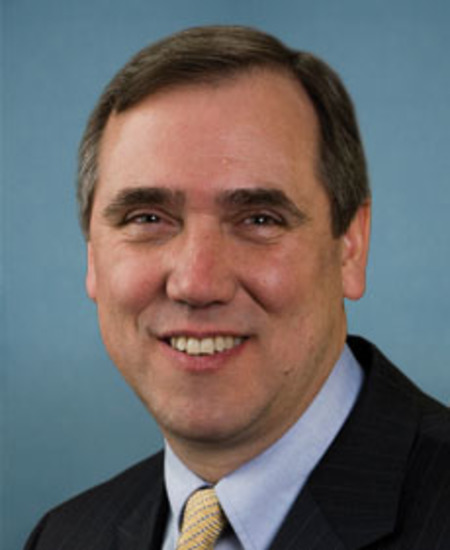
Jeff Merkley
62% support rate
Top opponent
Ron Wyden
38% support rate
Ranked legislators
7
5 support · 2 oppose
Key legislators

Who's moving labor & employment in Oregon

Legislators moving labor & employment in Oregon
Legislator Party Stance Support rate Votes
Jeff Merkley
Jeff Merkley Senate
D
Support
62% 213
Suzanne Bonamici
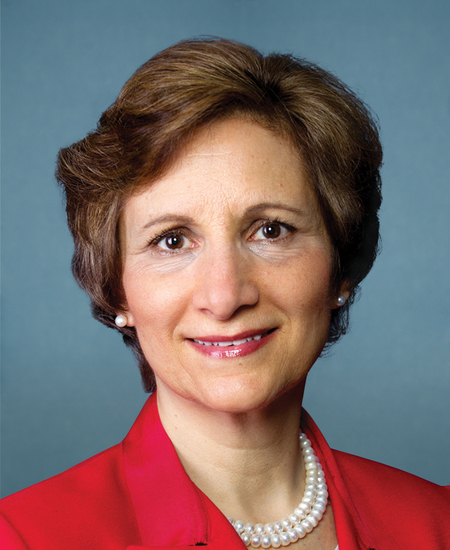
Suzanne Bonamici House · District 1
D
Support
62% 198
Val T. Hoyle
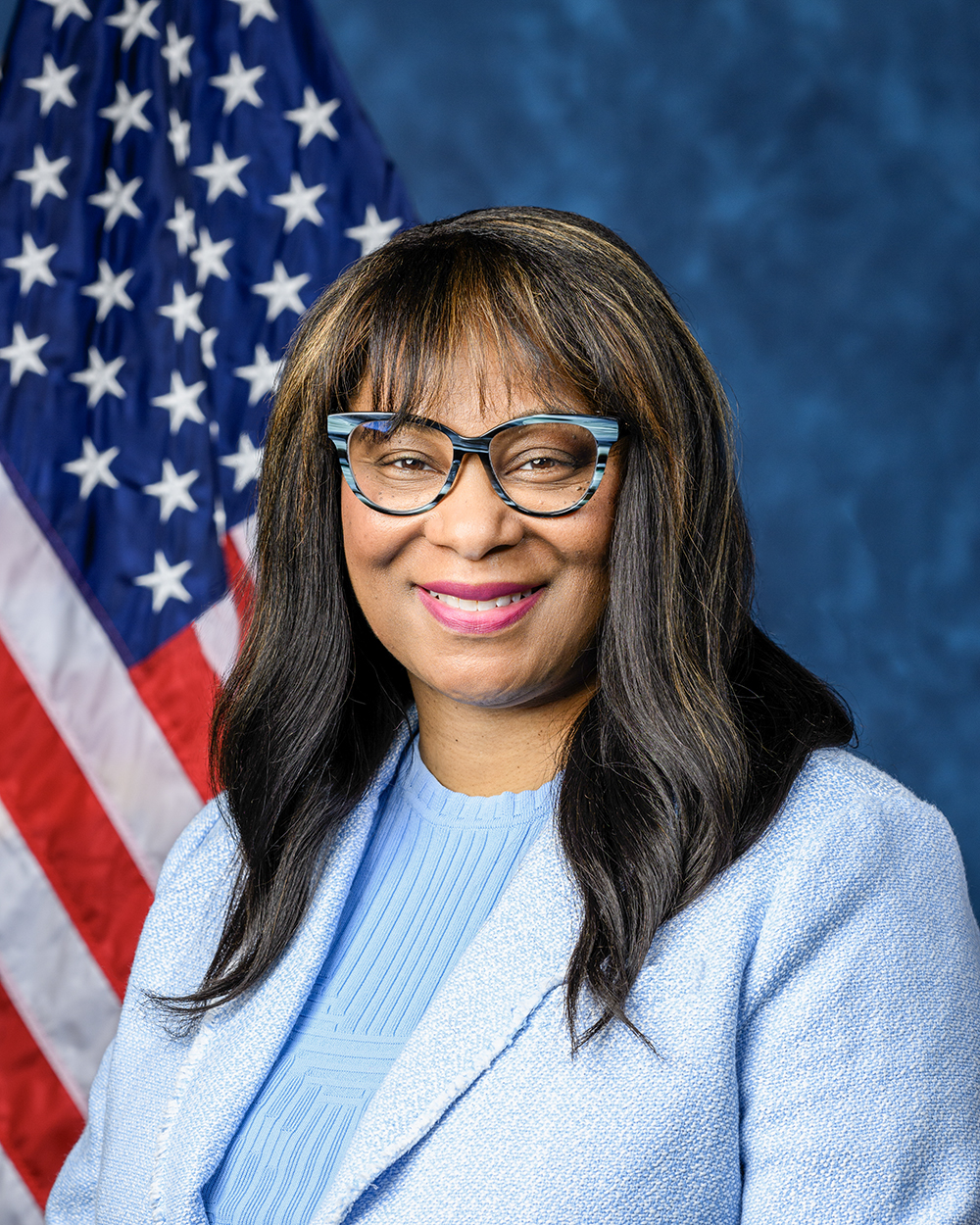
Val T. Hoyle House · District 4
D
Support
62% 193
Andrea Salinas
Andrea Salinas House · District 6
D
Support
62% 198
Janelle S. Bynum
Janelle S. Bynum House · District 5
D
Support
62% 196
Ron Wyden
Ron Wyden Senate
D
Oppose
38% 213
Cliff Bentz
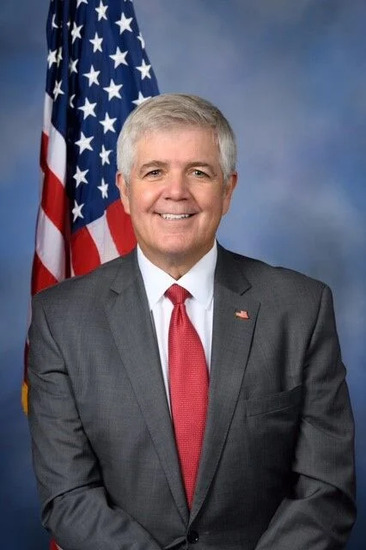
Cliff Bentz House · District 2
R
Oppose
38% 197
Showing 1–10 of 363 bills

All labor & employment bills

in committee · United States · House Sep 2, 2026

HR 10239: Equal Pay for Equal Work Act

The Equal Pay for Equal Work Act establishes a new National Equal Pay Enforcement Task Force composed of representatives from the Equal Employment Opportunity Commission, the Department of Justice, the Department of Labor, and the Office of Personnel Management. The task force is charged with coordinating these agencies to close gaps in enforcement and improve public education regarding equal pay laws. Its specific duties include investigating challenges related to pay inequity, advancing recommendations to address those issues, and creating action plans to implement the proposed solutions.
in committee · United States · Senate Aug 6, 2026

S 5319: Nurse Overtime and Patient Safety Act

The Nurse Overtime and Patient Safety Act prohibits healthcare providers from requiring registered, licensed practical, or licensed vocational nurses to work mandatory overtime beyond specific limits, including a cap of 48 hours per week or 12 consecutive hours in a 24-hour period. The bill mandates that facilities post nurse schedules and rights notices, while protecting nurses from retaliation if they refuse excessive shifts or report violations. Limited exceptions allow for mandatory overtime during declared emergencies or disasters, provided the facility has made reasonable efforts to fill staffing needs through other means. Providers who knowingly violate these rules face civil money penalties of up to $10,000 per violation, with harsher fines for repeated offenses, and the Secretary of Health and Human Services is required to conduct studies on safe working hour standards.
in committee · United States · Senate Aug 5, 2026

S 5268: Double the Wage for Overtime Act of 2026

The Double the Wage for Overtime Act of 2026 amends the Fair Labor Standards Act to increase the mandatory overtime pay rate from one and a half times an employee's regular wage to two times their regular wage. This change directly affects non-exempt workers who are currently entitled to premium pay for hours worked beyond their standard schedule. The bill updates multiple sections of the existing labor law to reflect this new multiplier, ensuring consistent application across various employment categories covered by the act. These provisions would take effect 180 days after the date of enactment.
in committee · United States · Senate Aug 6, 2026

S 5304: Fairness for Farm Workers Act

The Fairness for Farm Workers Act amends the Fair Labor Standards Act to extend overtime protections to agricultural workers, who are currently largely exempt from these requirements. The bill establishes a phased schedule requiring employers to pay farm workers time-and-a-half for hours worked beyond a threshold that decreases from 55 hours per week in 2027 to the standard 40 hours by 2030. Small farms with 25 or fewer employees are granted an additional three-year grace period, reaching full compliance by 2033. Additionally, the legislation removes several existing exemptions that allow agricultural employers to bypass federal wage and hour standards, ensuring broader coverage for workers in the sector.
Sub-Topics Child Labor Labor Standards Minimum Wage Tags Agriculture
in committee · United States · Senate Aug 6, 2026

S 5303: Supporting Our Farm and Food System Workforce Act

The Supporting Our Farm and Food System Workforce Act establishes a new Office of the Farm and Food System Workforce within the U.S. Department of Agriculture to improve access to federal programs for workers involved in food production, processing, and related services. This office will be led by a Coordinator who works with an Advisory Committee composed of farmworkers, labor unions, civil rights representatives, and nonprofit organizations to ensure worker perspectives are integrated into departmental policies. Additionally, the bill creates an Interagency Council that includes representatives from ten other federal departments to coordinate cross-agency efforts addressing worker safety, health, and economic opportunities. The legislation mandates annual reports to Congress in multiple languages and authorizes appropriations for these new initiatives through fiscal year 2031.
in committee · United States · Senate Aug 6, 2026

S 5296: Pathways to Health Careers Act

The Pathways to Health Careers Act establishes a federal grant program effective October 1, 2026, to train low-income individuals for careers in health professions such as nursing, emergency medical services, and allied health fields. The legislation allocates $435 million annually from fiscal years 2027 through 2031 to fund these initiatives, with specific requirements ensuring that at least two grants are awarded in each state and the District of Columbia, along with dedicated funding for tribal entities and U.S. territories. Key provisions mandate that grant recipients provide comprehensive support services, including adult basic education, childcare, transportation assistance, and cash stipends, while also requiring rigorous evaluations of demonstration projects focused on individuals with criminal records and maternal health career pathways.
in committee · United States · Senate Aug 6, 2026

S 5301: Voice for Farm Workers Act

The Voice for Farm Workers Act expands the role of the Farmworker Coordinator within the Department of Agriculture to better support agricultural employees and rural communities. The bill authorizes the Coordinator to hire necessary staff and extend their term of service through 2031. Key provisions require the Coordinator to assess the effectiveness of federal outreach programs, coordinate services across various USDA agencies, and publicize information about available benefits for farmworkers. Additionally, the legislation directs the Coordinator to identify research priorities focused on workforce stability and economic resilience while recommending new initiatives to the Secretary of Agriculture.
in committee · United States · House Jul 30, 2026

HR 9995: Restoring Justice for Workers Act

The Restoring Justice for Workers Act prohibits employers from forcing workers to agree to arbitration for workplace disputes and bans agreements that prevent employees from joining together to seek legal relief. Under this bill, any contract requiring arbitration before a dispute arises would be invalid, while agreements made after a dispute occurs must be truly voluntary, require plain language explanations, include a 45-day waiting period, and receive explicit written consent from the worker. The legislation also makes it illegal to retaliate against employees who refuse to sign arbitration clauses and ensures that courts, rather than arbitrators, decide whether these arbitration agreements are valid. Additionally, the act amends the National Labor Relations Act to explicitly forbid employers from interfering with employees' rights to engage in collective actions regarding their work. These changes apply to all workers, including independent contractors, and take effect immediately upon enactment.
Sub-Topics Labor Standards
in committee · United States · Senate Jul 30, 2026

S 5190: Restoring Justice for Workers Act

The Restoring Justice for Workers Act prohibits employers from requiring workers to sign agreements that force them to resolve disputes through individual arbitration rather than in court or as part of a group. It bans retaliation against employees who refuse to arbitrate and mandates that any post-dispute arbitration agreements be truly voluntary, requiring plain language explanations, a 45-day waiting period, and written consent. The bill also amends the National Labor Relations Act to make it illegal for employers to enter into or enforce contracts that prevent workers from joining together to file joint or class-action lawsuits regarding workplace rights. These changes apply to all workers, including independent contractors, and take effect immediately upon enactment.
in committee · United States · Senate Jul 30, 2026

S 5189: A bill to amend title 10, United States Code, and the National Defense Authorization Act for Fiscal Year 1994, to codify and clarify gender neutral standards for members of certain Armed Forces, and for other purposes.

This bill updates federal laws to ensure that members of the Army, Navy, Marine Corps, Air Force, and Space Force cannot be excluded from jobs or assignments based on their gender. It requires the Department of Defense to establish occupational standards using scientifically rigorous methods that evaluate technical, tactical, cognitive, and physical abilities without gender bias. Additionally, the legislation mandates annual reports to Congress detailing any involuntary reclassifications or separations and requires a detailed review of the operational effectiveness of Army and Marine Corps ground combat units. These changes are scheduled to take effect on September 30, 2026, with the first required report due the following year.
Showing 1 to 10 of 363 bills
1 2 3 37 Next