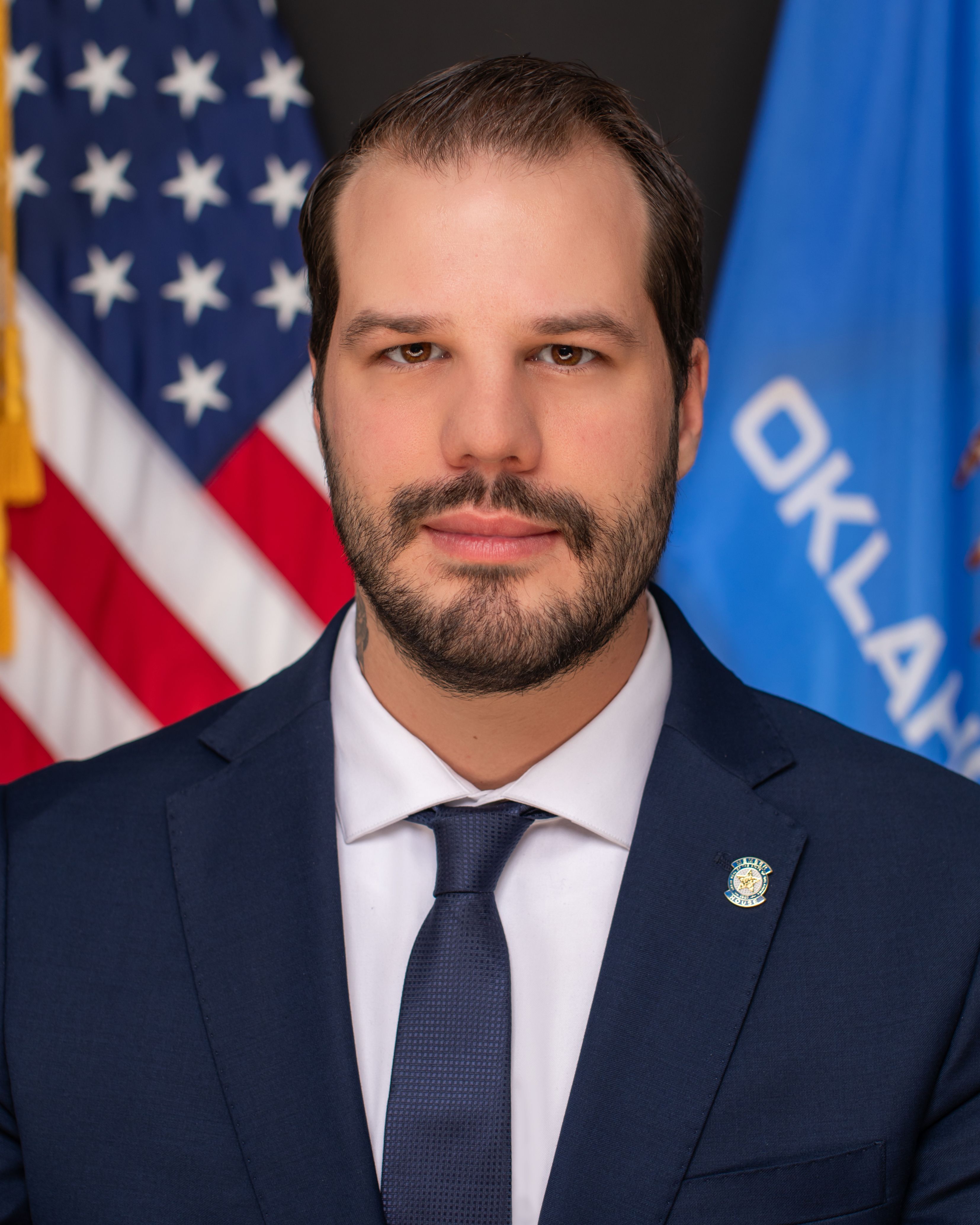
HB 2263 prohibits using cellular telephones or electronic devices while driving on specific road segments, directly affecting drivers who use phones in those areas. The bill removes the previous exception for zones where workers are present and changes the effective date to November 1, 2025 (from July 1, 2026). It establishes penalties for violations and allows municipalities to enforce stricter local ordinances. The law applies to all road segments designated under the bill, not limited to construction zones.
SB 1150 appropriates $100,000 from the General Revenue Fund to the Oklahoma Department of Transportation for fiscal year 2026 to cover existing legal duties of the department. The bill directly affects the Department of Transportation by providing funding for its ongoing operations. It declares an emergency to take effect immediately upon enactment, bypassing the normal legislative timeline. The bill became law on May 29, 2025, without the Governor's signature.
HB 2792 creates the "Progressing Rural Economic Prosperity Fund" (PREP Fund) as a continuing fund in Oklahoma, meaning it won't expire with fiscal years. The bill ensures specific existing appropriations - totaling $118.85 million from previous legislative sessions - continue funding rural economic projects without being subject to lapse. These funds support projects previously authorized under bills like HB 1016 and HB 1017 (2023), including infrastructure, business development, and community initiatives in rural Oklahoma. The law also allows the Legislature to reallocate funds as needed while preserving the original project allocations.
SB 375 amends Oklahoma statutes governing construction management for transportation projects, affecting the Oklahoma Department of Transportation and Oklahoma Turnpike Authority. It requires these agencies to compile and maintain a list of qualified construction managers and design consultants, mandating specific disclosures about project scope, costs, funding, and construction inspector arrangements. The bill establishes standardized evaluation criteria for selecting consultants based on qualifications, capacity, past performance, and Oklahoma resident workforce participation. It also creates a committee to rank candidates and allows for "demand services contracts" for on-demand consultant needs. This bill became law on May 14, 2025, without the Governor's signature.
SB 634 expands Oklahoma's Impaired Driving Prevention Advisory Committee by adding seven new members, including the State Commissioner of Health, Director of the Department of Transportation, and leaders from the Oklahoma Medical Marijuana Authority and State Board of Pharmacy. The committee must analyze impaired driving crash data, coordinate with stakeholders, and create an annual statewide strategic plan to reduce impaired driving incidents. These plans are submitted to the Governor, Senate President Pro Tempore, and House Speaker each December. The bill directly affects state agencies involved in public safety, health, and substance use policy by requiring their input into impaired driving prevention strategies.
SB 730 requires Oklahoma's Department of Aerospace and Aeronautics to develop a five-year Airport Construction Program and a statewide airport system plan, which will guide funding for airport infrastructure. The system plan must include all airports eligible for state funding and prioritize safety, economic growth, and FAA standards. It also updates the AeroSPACE Program, a partnership between schools and the aviation industry to create aerospace career pathways for students. These changes directly affect public airports seeking state funding and educational institutions participating in the workforce development initiative.
HB 2297 requires Oklahoma's Service Oklahoma to establish a driver license reciprocity agreement with Ireland. The agreement must ensure Irish driver license standards meet Oklahoma's requirements and mandate that Irish drivers comply with Oklahoma's mandatory auto insurance laws. This directly affects Irish residents operating vehicles in Oklahoma under the agreement. The bill became law on May 8, 2025, with no Governor's signature needed.
SB 475 requires the Oklahoma Tax Commission to verify whether taxpayers have claimed a specific income tax credit for clean-burning motor fuel property investments when requested. This bill amends existing tax law (68 O.S. § 2357.22) to update verification procedures for the one-time credit against income tax for qualified clean-burning motor fuel vehicle investments. The change affects taxpayers claiming this credit and streamlines the Tax Commission’s process to prevent duplicate claims. It modifies confidentiality rules (68 O.S. § 205) to allow this verification without compromising other protected tax records. The bill focuses on administrative accuracy for an existing credit, not new tax benefits.