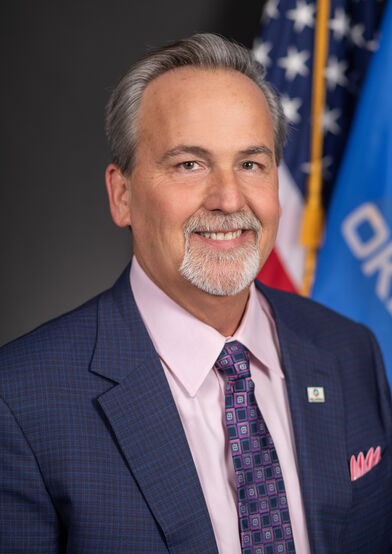
Key legislators
Who's moving transportation in Oklahoma
Showing 3 of 3
bills
All transportation bills
HB 3748 amends Oklahoma county commissioners' powers to include new provisions for county employee education and highway management. It establishes a tuition reimbursement program for county employees who maintain A/B grades in approved courses, requiring a one-year service commitment after participation. The bill also modifies highway relocation procedures, requiring institutions (like four-year universities) to notify county commissioners in writing and hold public hearings before altering highways adjacent to their property. These changes directly affect county employees seeking professional development and institutions managing land adjacent to public roads. The bill does not alter existing funding or create new taxes.
SB 634 expands Oklahoma's Impaired Driving Prevention Advisory Committee by adding seven new members, including the State Commissioner of Health, Director of the Department of Transportation, and leaders from the Oklahoma Medical Marijuana Authority and State Board of Pharmacy. The committee must analyze impaired driving crash data, coordinate with stakeholders, and create an annual statewide strategic plan to reduce impaired driving incidents. These plans are submitted to the Governor, Senate President Pro Tempore, and House Speaker each December. The bill directly affects state agencies involved in public safety, health, and substance use policy by requiring their input into impaired driving prevention strategies.
HB 2603 transfers enforcement authority for Oklahoma's motor carrier safety regulations - from the Oklahoma Corporation Commission to the Department of Public Safety - effective July 2026. This change affects commercial trucking companies and drivers by shifting oversight of safety rules, weigh station inspections, and permit enforcement to the Department of Public Safety. The bill creates a 12-month transition period (July 2026-June 2027) with a task force to coordinate the transfer of personnel, property, and responsibilities. Key provisions include requiring the Department of Public Safety to assume full enforcement authority over specific statutes related to motor carrier operations, permits, and safety compliance. The goal is to create a more unified enforcement approach for public safety in the commercial transportation sector.