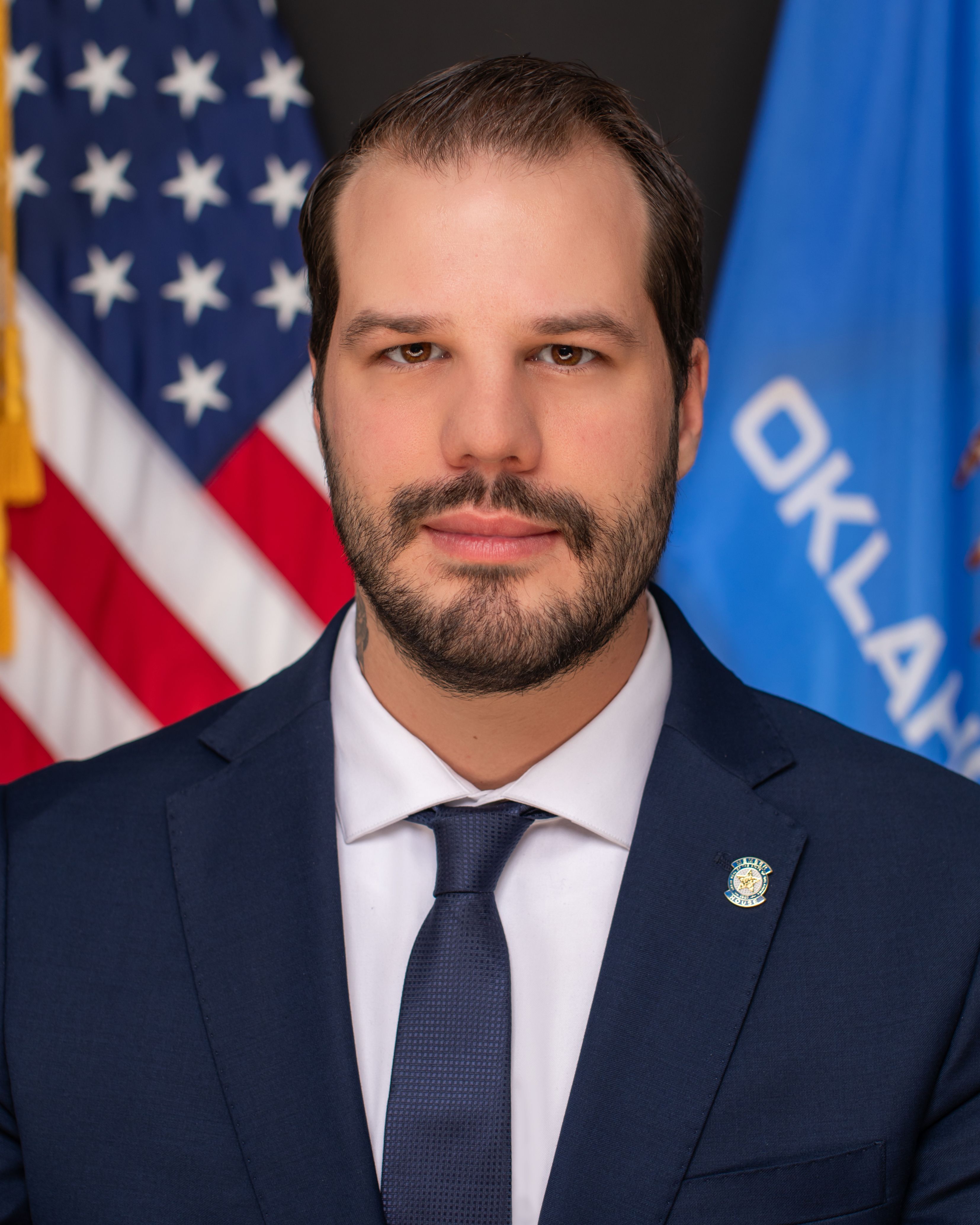
HB 1364 prohibits the nonconsensual sharing of AI-generated sexual images or real images of someone in a sexual act or showing intimate body parts without their consent. It defines "artificially generated sexual depiction" as images created using AI or photo editing that appear authentic but did not occur in reality. Violating this law is a misdemeanor (up to 1 year in jail or $1,000 fine) for first offenses, and a felony (up to 10 years in prison and sex offender registration) for repeated violations (three or more images within six months). The law applies to both real images and AI-generated content, with exemptions for criminal investigations and public exposure.
SB 387 updates the definition of "eligible student" for Oklahoma's STEM Intern Partnership Program, expanding eligibility to include students enrolled in technology center schools under the State Board of Career and Technology Education - previously limited to university students. This change directly affects tech center students and organizations seeking to hire them for industry internships through the Oklahoma Center for the Advancement of Science and Technology (OCAST). The bill requires applicant organizations to secure 50% non-state funding for projects and ensures internships provide real-world tech experience with measurable outcomes. It becomes effective November 1, 2025, after passing the legislature and receiving gubernatorial approval in May 2025.
HB 1275 requires social media platforms meeting its definition (e.g., those using algorithms, infinite scrolling, and enabling public social interaction) to verify users are at least 18 years old before granting access. It specifically affects platforms used by Oklahoma residents, excluding email services, gaming platforms, educational tools, and professional networking sites. Key mechanisms include using state-approved digital ID verification and prohibiting "dark patterns" that trick users into sharing age data. The bill explicitly states it does not restrict content or minors' ability to post content on platforms they legally access, focusing solely on age verification for platform access.
SB 410 requires Oklahoma public high school students in grades 8-12 to complete a computer science unit to earn a standard diploma starting with the 2024-2025 school year. This replaces the previous requirement for two world language units with a new computer technology course requirement covering programming, hardware, and business applications like spreadsheets. The bill mandates that this unit must be approved for college admission and excludes basic keyboarding or typing courses. It directly affects all students pursuing standard diplomas in Oklahoma public high schools under the updated graduation requirements.
SB 693 requires social media platforms to display a clear warning about potential mental health risks for minors when users under 18 access the platform. This warning must be provided in a specific, conspicuous manner as defined by the bill, and failure to do so would be deemed an unlawful business practice under Oklahoma's Consumer Protection Act. Violations would result in civil penalties, which would be deposited into a new "Social Media Mitigation for Minor Mental Health Fund" managed by the Department of Mental Health and Substance Abuse Services. The fund aims to support mental health services for minors in Oklahoma, directly affecting social media companies operating within the state.
This bill (SB 931) proposes requiring social media platforms to implement age verification systems and provide specific parental supervisory tools. The title indicates it aims to protect minors by restricting access to certain content based on age and giving parents control over their children's accounts. However, the provided context includes no bill text, detailed provisions, or specific mechanisms (e.g., how verification would work or what tools would be required). The bill is currently pending in committee (Technology and Telecommunications) with no substantive details available in the provided summary. Without the full bill text, concrete policy changes cannot be described.