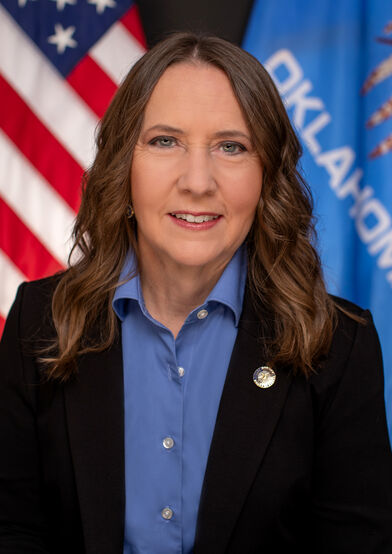
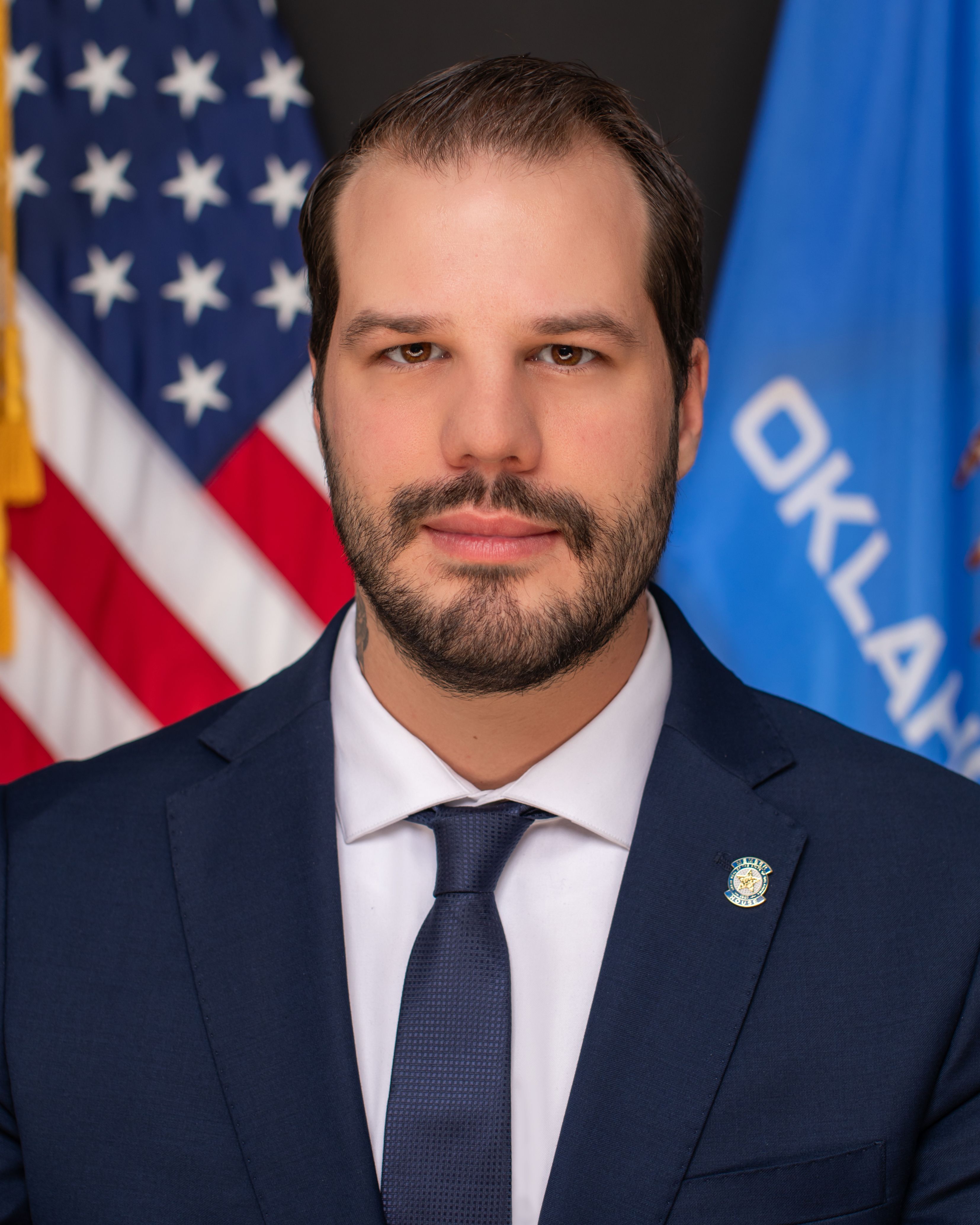
Key legislators
Who's moving technology in Oklahoma
Showing 5 of 5
bills
All technology bills
HB 1276 requires Oklahoma public school districts to adopt policies banning student cell phones and personal electronic devices (like tablets, smartwatches, or laptops) during the entire school day and on school grounds, effective July 2025. Exceptions are permitted for medical emergencies documented by a licensed professional. School boards may opt out of the ban through annual approval, but must still allow device use for emergencies. The bill defines "personal electronic devices" to exclude school-issued tech used for instruction and clarifies "school day" as the full instructional period from first to last bell. It directly affects all K-12 students and school districts in Oklahoma.
SB 1122 requires Oklahoma's State Board of Equalization to assess property used for **wired broadband service** (offering internet over 100 Mbps download/20 Mbps upload) at a **15% tax rate** for tax years 2026-2036. It applies only to infrastructure in areas with **less than 10% broadband coverage** (per FCC maps) and exclusively to property used for broadband, excluding other services like video streaming. The bill amends tax code to define "broadband service providers" and mandates this specific assessment ratio for qualifying assets, including fiber, cables, and network infrastructure. This policy directly affects **wired broadband providers** expanding service in underserved rural or low-coverage regions.
SB 687 creates a rebate program for businesses purchasing equipment to expand broadband services in underserved or unserved areas of Oklahoma. It directs the Oklahoma Broadband Office and Tax Commission to administer the program, requiring equipment to directly enable broadband expansion (not operational costs) and limiting rebates to $42 million total - $31.5 million reserved for low-population-density counties. The Oklahoma Broadband Rebate Revolving Fund will pay approved claims, with payments calculated based on total eligible claims versus available funds. Providers must file claims by specified deadlines, and annual reports will track broadband project impacts without disclosing individual company names.
HB 1275 requires social media platforms meeting its definition (e.g., those using algorithms, infinite scrolling, and enabling public social interaction) to verify users are at least 18 years old before granting access. It specifically affects platforms used by Oklahoma residents, excluding email services, gaming platforms, educational tools, and professional networking sites. Key mechanisms include using state-approved digital ID verification and prohibiting "dark patterns" that trick users into sharing age data. The bill explicitly states it does not restrict content or minors' ability to post content on platforms they legally access, focusing solely on age verification for platform access.
SB 572 ends Oklahoma's technology business financing program, which previously provided funding to help local businesses commercialize innovations. The bill requires all remaining program funds and annual royalty payments (from businesses that received funding) to be transferred to the state's General Revenue Fund by November 1, 2025. This affects OCAST (the Oklahoma Center for the Advancement of Science and Technology), businesses that had received program funding, and state finances. The program officially ceases upon the bill's effective date, redirecting all unused funds to general state revenue.