Issue · Labor & Employment

Labor & Employment (Public Employees)

Every labor & employment bill, vote, and legislator stance in Oklahoma, automatically classified by Maddy, our AI policy reader.

Total bills
24
2026 Regular Session
Top supporter
Julia Kirt
100% support rate
Top opponent
Derrick Hildebrant
0% support rate
Ranked legislators
10
5 support · 5 oppose
Key legislators

Who's moving public employees in Oklahoma

Legislators moving public employees in Oklahoma
Legislator Party Stance Support rate Votes
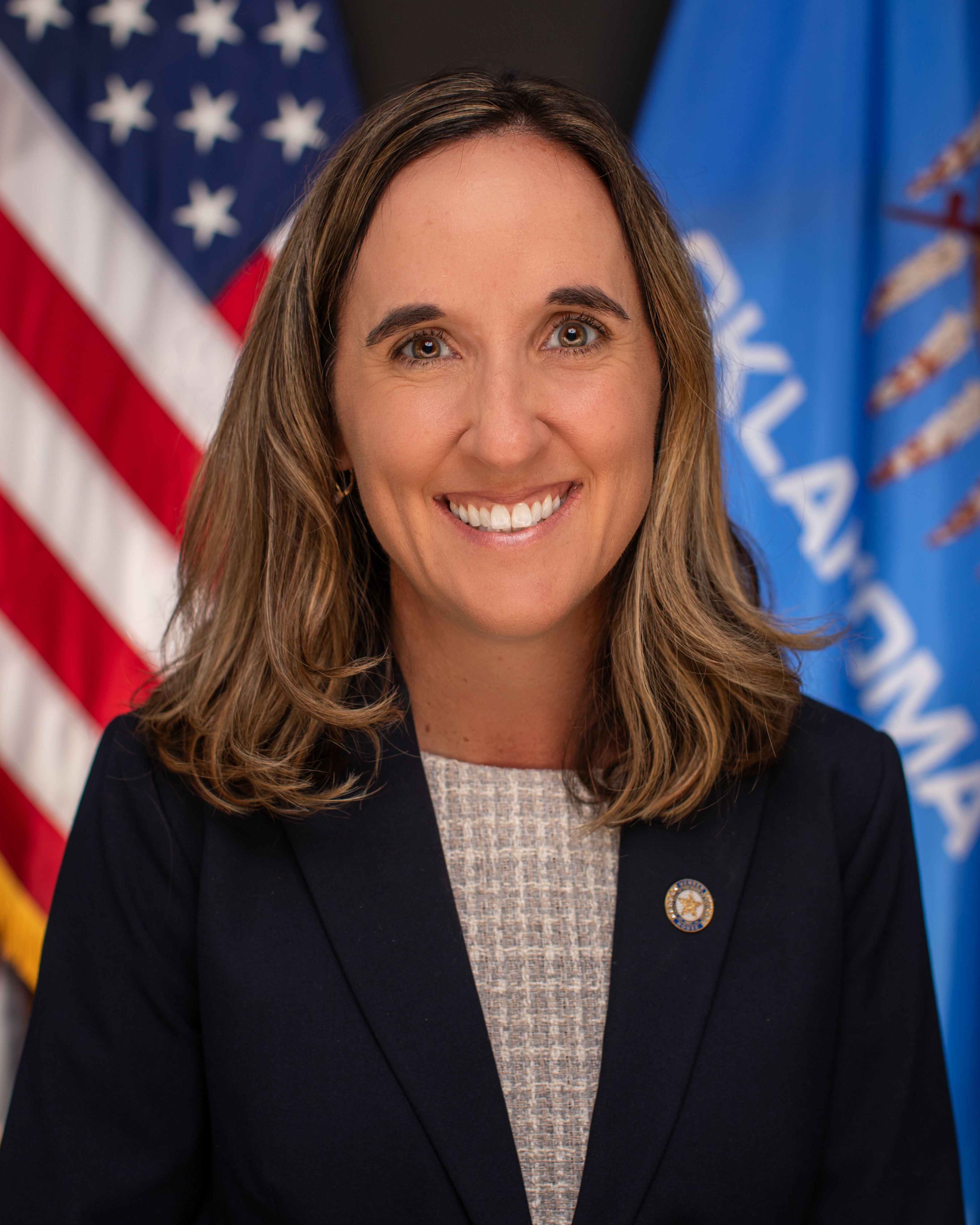
Julia Kirt
Julia Kirt Senate · District 30
D
Strong +
100% 5
Mary Boren
Mary Boren Senate · District 16
D
Strong +
100% 5
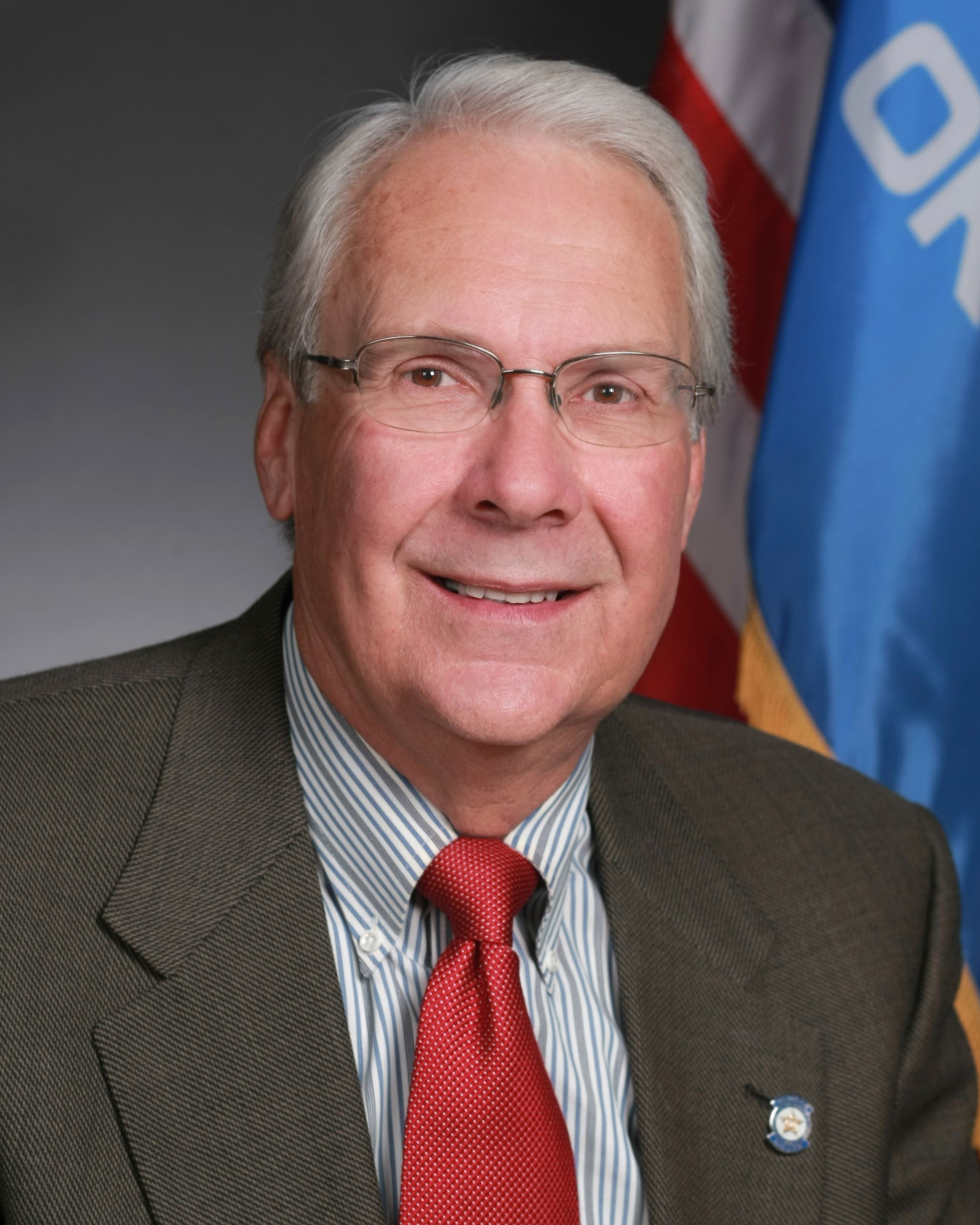
Ken Luttrell
Ken Luttrell House · District 37
R
Strong +
83% 6
Danny Williams
Danny Williams House · District 28
R
Strong +
80% 5
Ellen Pogemiller
Ellen Pogemiller House · District 88
D
Support
75% 8
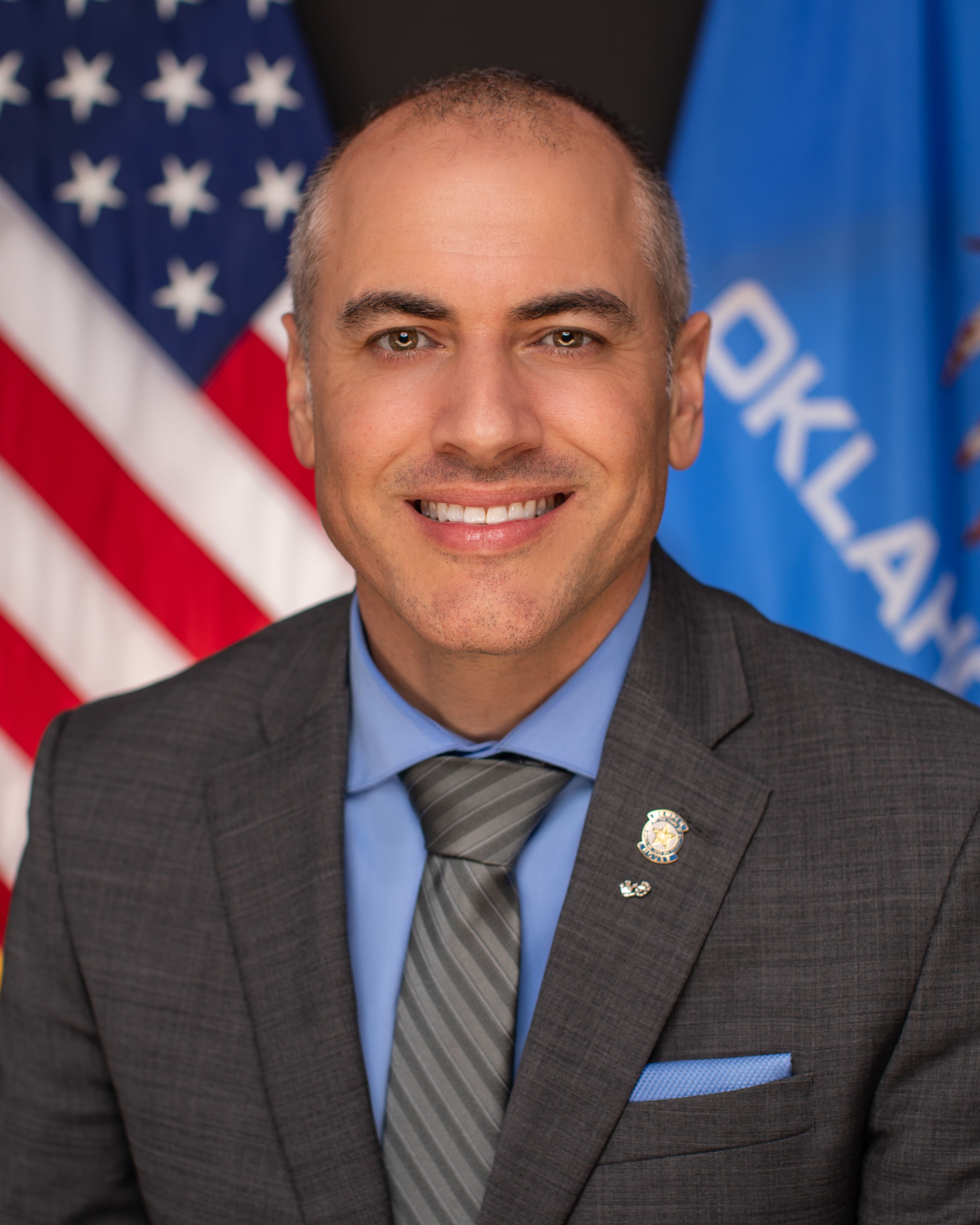
Derrick Hildebrant
Derrick Hildebrant House · District 23
R
Strong −
0% 6
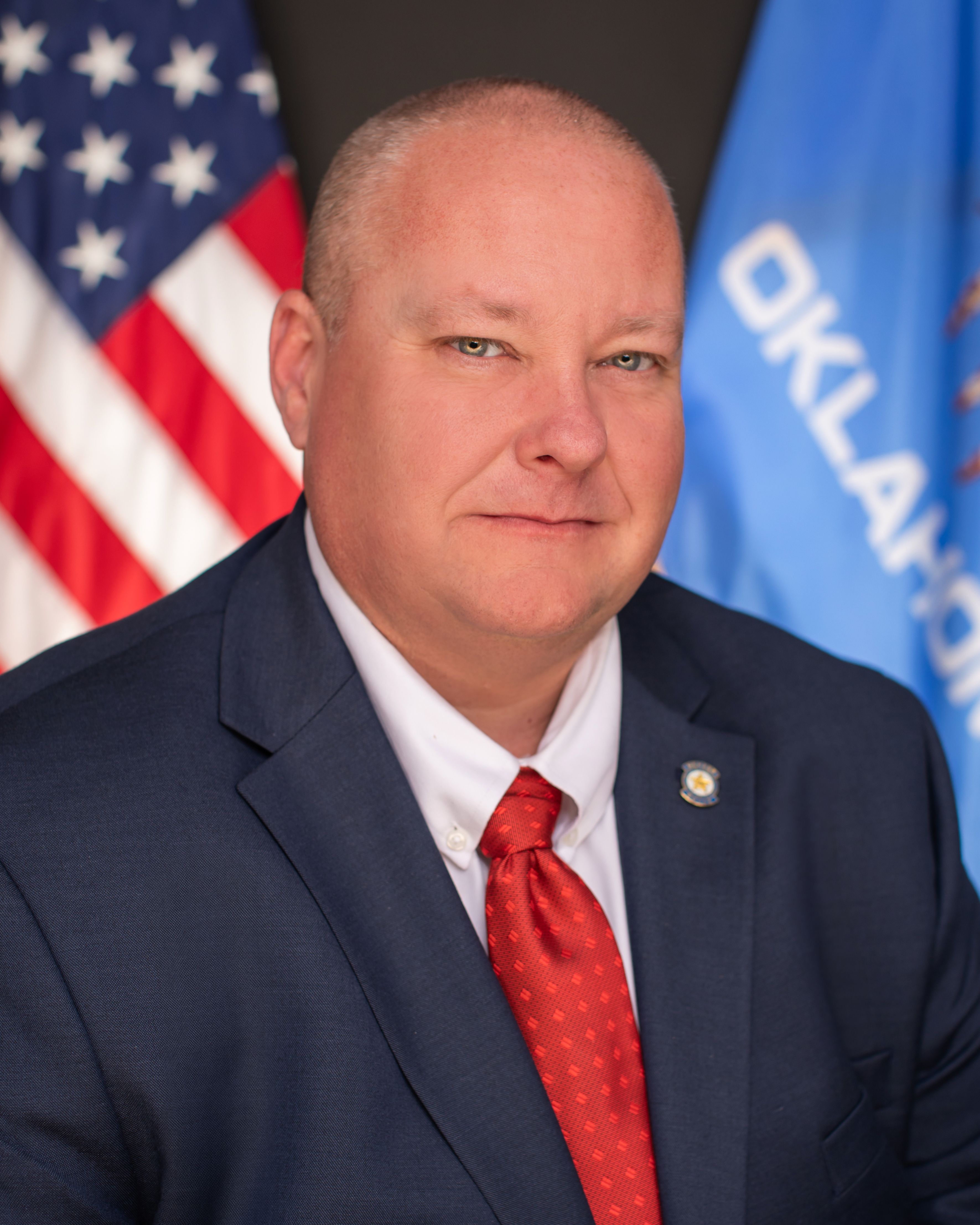
Rande Worthen
Rande Worthen House · District 64
R
Strong −
0% 6
Dell Kerbs
Dell Kerbs House · District 26
R
Strong −
0% 5
Julie McIntosh
Julie McIntosh Senate · District 3
R
Strong −
0% 5
Brian Hill
Brian Hill House · District 47
R
Strong −
0% 3
Showing 11–20 of 24 bills

All labor & employment bills

in committee · Oklahoma · House Feb 17, 2026

HB 2958: State employee compensation; salary increase; exclusions; effective date; emergency.

HB 2958 provides a 9% salary increase for full-time Oklahoma state employees as of June 30, 2026, effective July 1, 2026. It directly affects most state workers but excludes employees of the Oklahoma State Regents for Higher Education, public universities, and common school districts. The bill mandates the salary adjustment without requiring additional legislative action for implementation. It includes an emergency clause to take effect immediately upon approval. This is a direct compensation change with no additional policy mechanisms beyond the specified salary adjustment.
Sub-Topics Public Employees
in committee · Oklahoma · Senate Feb 4, 2025

SB 89: State employees; directing Office of Management and Enterprise Services to establish procedure for conversion of certain unused leave. Effective date.

SB 89 allows Oklahoma state employees to convert unused sick leave into retirement service credit instead of purchasing it. Specifically, it directs the Office of Management and Enterprise Services to create a procedure enabling employees to transfer unused sick leave toward required retirement service credit. This applies to eligible employees who would otherwise need to buy additional service credit for retirement purposes. The bill amends Oklahoma Statutes §840-2.20 and §913 to implement this conversion option, effective upon enactment.
Sub-Topics Public Employees
in committee · Oklahoma · House Mar 5, 2025

HB 1627: Cities and towns; unfair labor practices; Public Employees Relations Board; procedures; arbitration; fees and expenses; effective date.

HB 1627 modifies Oklahoma's process for resolving unfair labor practice disputes involving public employees in cities and towns. It requires written notice of alleged violations within six months and establishes a specific arbitration procedure: each party (employer and union) selects one arbitrator, who then jointly select a third; if they fail, the Federal Mediation Service provides a list for alternating strikes. The bill also changes fee rules, requiring the bargaining agent to cover their selected arbitrator's fees and the employer to cover theirs, while splitting the third arbitrator's fees equally. This applies to interest arbitration, unfair practice disputes, and union representation decisions, effective November 1, 2025.
signed · Oklahoma · Senate Apr 29, 2026

SB 169: State government; increasing certain state employee longevity payment amounts. Effective date. Emergency.

SB 169 increases annual longevity pay for eligible Oklahoma state employees based on years of service, with payments rising from $250 to $3,000 per year for 20+ years of service. It directly affects most full-time and part-time state employees (excluding elected officials, school districts, and certain boards/commissions), including conservation district workers under the Oklahoma Conservation Commission. The bill updates payment schedules in the statute, clarifies eligibility rules for continuous service (allowing 30-day breaks), and specifies that part-time employees working over 150 hours monthly count toward eligibility. The changes apply to employees certified by their agency and take effect upon enactment.
Sub-Topics Public Employees
in committee · Oklahoma · Senate Feb 3, 2026

SB 1233: State government; creating the State Employee Compensation Board. Effective date.

SB 1233 creates the State Employee Compensation Board to review and recommend salary and benefit adjustments for Oklahoma state employees. The board, appointed by the Governor and legislative leaders (including minority leaders), will meet every two years to propose changes via majority vote. Its recommendations must be submitted electronically to key state officials, who will then consider them. This bill establishes a formal process for reviewing state employee compensation but does not set specific pay rates or funding. It takes effect on November 1, 2026.
Sub-Topics Public Employees
in committee · Oklahoma · Senate Feb 4, 2025

SB 87: Paid leave for state employees; providing paid parental leave for certain state employees. Effective date.

SB 87 creates paid parental leave for eligible Oklahoma state employees, expanding existing leave benefits beyond maternity leave to include parental leave. It requires state agencies to continue paying employees their regular wages during approved parental leave and provides job protections during this period. The bill amends Oklahoma Statutes Section 840-2.20 to integrate these parental leave provisions into the state’s existing leave framework, affecting all state employees who qualify under the updated rules. The policy change takes effect July 1, 2023, as specified in the bill.
in committee · Oklahoma · Senate Feb 3, 2026

SB 1289: State employee compensation; providing for salary increase for certain employees. Effective date. Emergency.

SB 1289 provides a 5% annual salary increase for eligible state employees effective July 1, 2026, based on their salary as of June 30, 2026. It directly affects full-time, part-time, temporary, and limited-term state workers who were employed on June 30, 2026, excluding elected officials, judges, cabinet secretaries, district attorneys, higher education staff, and other specific categories listed in the bill. The increase is prorated for part-time employees based on their work schedule, and employees on leave without pay receive the raise upon returning to work. The bill explicitly excludes certain leadership roles and agencies from the pay adjustment, as detailed in Section 1D of the text.
Sub-Topics Public Employees
in committee · Oklahoma · Senate Feb 11, 2025

SB 615: State employee compensation; creating salary limit for certain state employees; providing exemptions. Effective date. Emergency.

SB 615 sets a salary cap for most Oklahoma state employees, limiting annual pay to no more than the Governor's salary (as defined in state law) starting July 1, 2025. It directly affects most state workers, excluding two key groups: higher education staff (including university officials under the State Regents) and licensed healthcare professionals (like doctors and nurses) working for state agencies. The bill requires state departments to seek legislative approval via joint resolution for any compensation exceeding the Governor's salary, though exemptions for the listed groups remain automatic. This creates a clear, enforceable limit on executive branch pay without altering existing salary structures for exempted roles.
Sub-Topics Public Employees
in committee · Oklahoma · Senate Mar 4, 2026

SB 481: Public employees; prohibiting certain public employees from engaging in certain actions and using certain resources for certain purposes. Effective date. Emergency,

SB 481 bans public employees (including state, local, and school district workers) from participating in group strikes or work stoppages. It automatically terminates employment, revokes pensions and civil service rights, and revokes teaching certificates for educators who violate the ban. The law explicitly allows individual employees to stop working without group action. This bill takes effect November 1, 2025, and applies broadly across Oklahoma's public workforce.
passed · Oklahoma · House Apr 16, 2025

HB 1424: Cities and towns; unfair labor practice; Public Employees Relations Board; arbitrator selection; fees and expenses; effective date.

HB 1424 establishes a new process for resolving unfair labor practice claims between cities/towns (local government employers) and public employee unions. It requires written notification of alleged unfair labor practices within six months, followed by a specific three-step arbitrator selection process: each party selects one arbitrator within 10 days, they jointly select a third (or use the Federal Mediation Service if needed), and the third serves as chair. The bill specifies that the first two arbitrators' fees are paid by their respective sides, while the third arbitrator's reasonable fees are shared equally. This process applies to interest arbitration, unfair labor practice disputes, and union certification matters.
Showing 11 to 20 of 24 bills