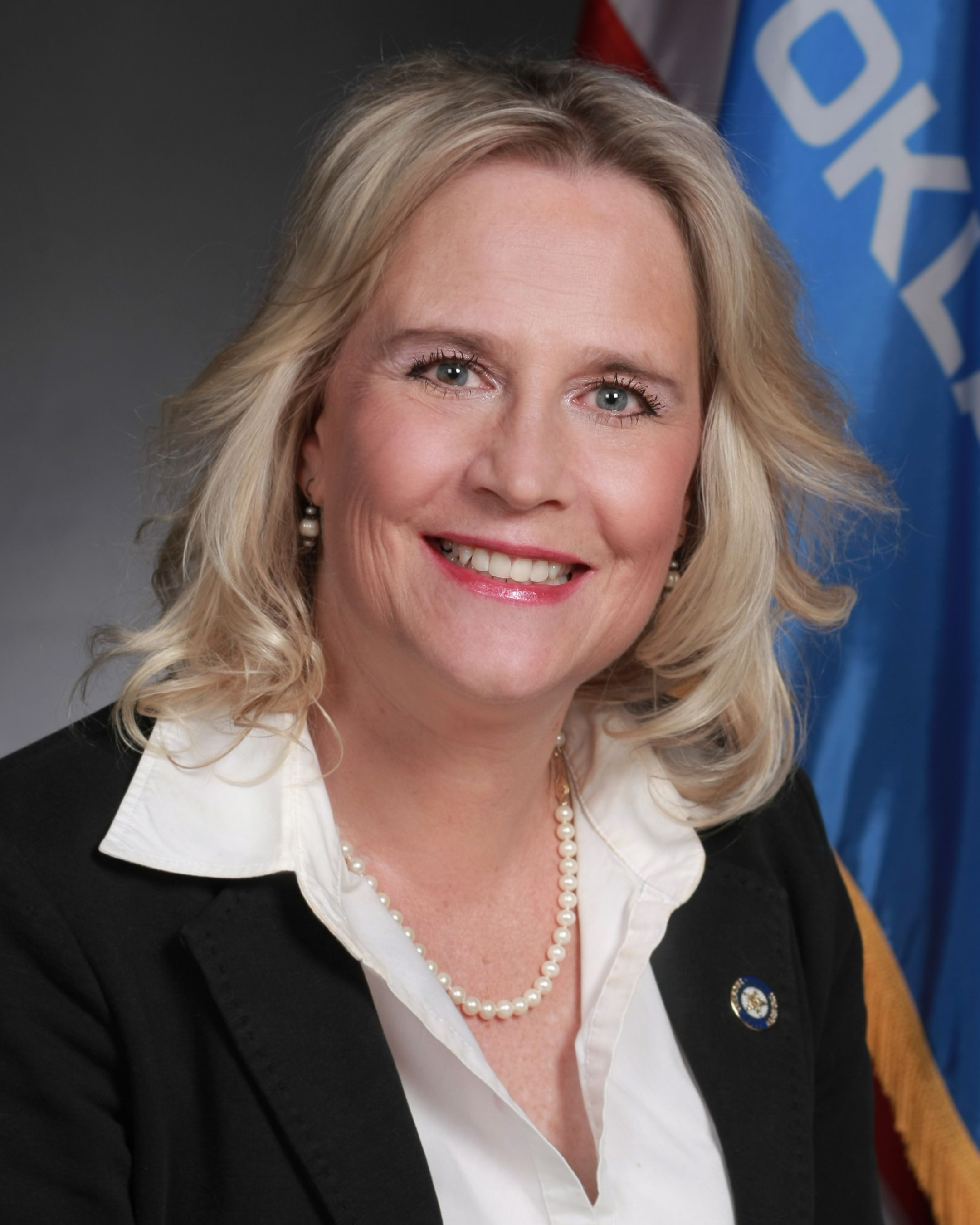
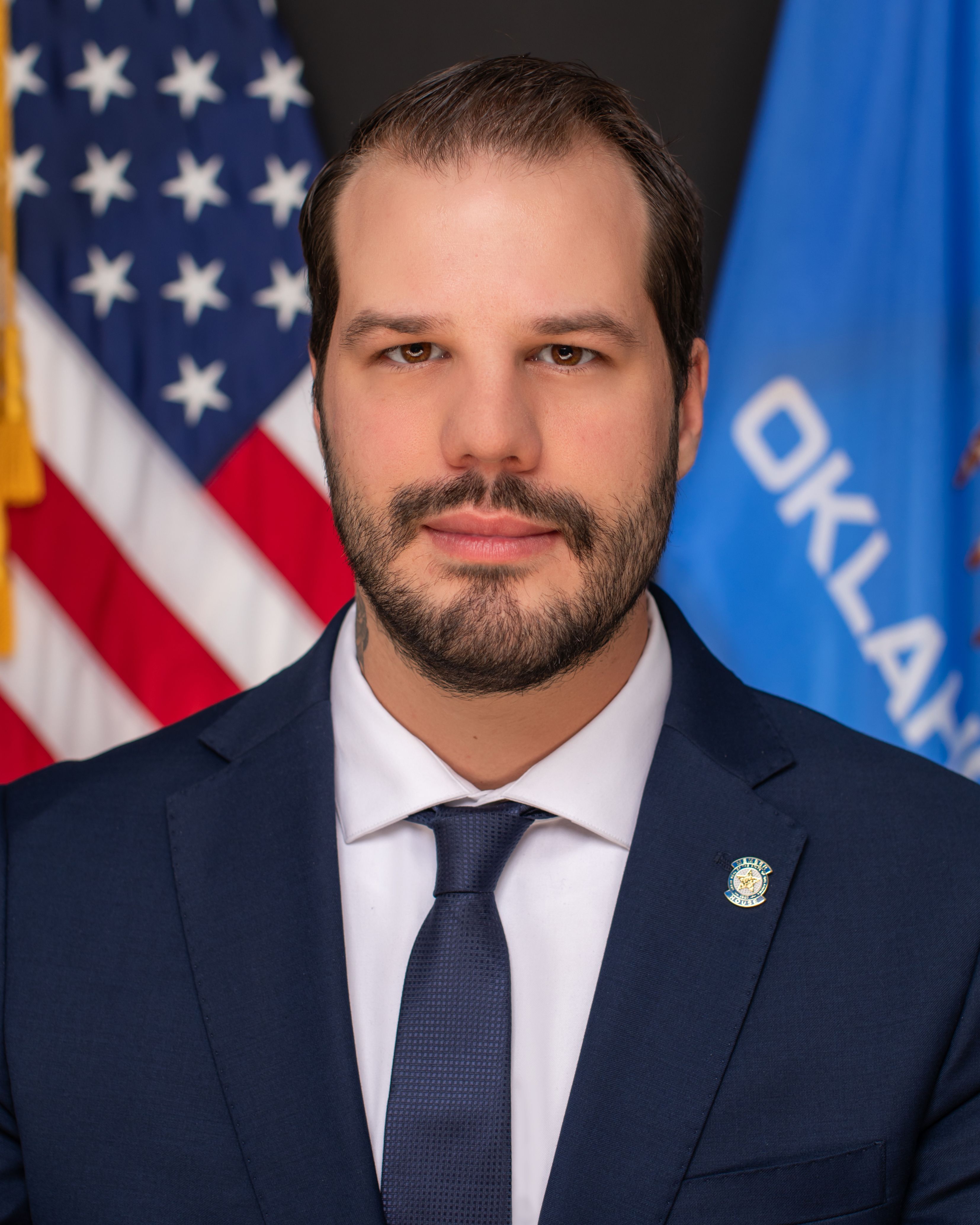
HB 3961 creates the "Oklahoma Affordable Housing Tax Credit Policy Act of 2026," establishing a new tax credit program to support affordable housing development. The bill directly affects developers and investors who construct or rehabilitate qualifying affordable housing projects in Oklahoma. Key provisions authorize the state to issue tax credits against income tax liabilities for projects meeting specific affordability and location criteria. The program will become effective November 1, 2026, though the bill text does not specify credit amounts, eligibility rules, or administrative details beyond its framework.
HB 3804 requires all property insurance policies covering residential homes in Oklahoma to include coverage for structural damage caused by abandoned oil and gas wells beneath, adjacent to, or on the property. It prohibits insurers from excluding, limiting, or denying such coverage based on causes like subsidence, methane intrusion, or pre-existing wells. The law mandates coverage for structural repairs, soil remediation, well plugging (as required by the Oklahoma Corporation Commission), relocation costs, and testing. Insurers gain subrogation rights to recover costs from responsible parties (like prior operators or the Orphan Well Fund), but homeowners retain independent legal rights. The bill takes effect November 1, 2026.
SB 2000 increases Oklahoma's homestead property tax exemption for primary residences. It raises the exemption amount from $1,000 to $5,000 for tax years beginning in 2027 and beyond, affecting homeowners who qualify as homestead owners under state law. The bill amends Section 2889 of Oklahoma Statutes to reflect this change, maintaining the current $1,000 exemption for tax years through 2026. The increase becomes effective November 1, 2026, reducing property tax bills for qualifying homeowners starting in 2027. This is a direct policy change to property tax relief for residential property owners.
HB 3751 expands Oklahoma's homestead property tax exemption to include mobile homes and site-built homes (whether on owned or rented/leased land) when occupied as a primary residence. It clarifies that owners must actually reside there to qualify, with special provisions for tornado victims (2013+ disasters with federal disaster declarations). The bill defines rural homesteads as up to 160 acres and urban homesteads as no more than 1 acre. It takes effect January 1, 2027.
HB 3846 creates a new property tax exemption for affordable housing projects financed through Low Income Housing Tax Credits (LIHTC) under federal law. It directly affects developers and operators of such housing who receive LIHTC financing. The bill requires these properties to maintain at least 75% occupancy - either as a single-family dwelling or with an average 75% rate across multi-family units - to keep the tax exemption. If occupancy falls below this threshold, the property loses its exemption for the next assessment year, requiring annual reporting to county assessors.
This bill increases Oklahoma's standard homestead property tax exemption from $1,000 to $2,315, with automatic inflation adjustments every five years starting January 1, 2032. It also creates a new $2,315 exemption for heads of households earning under $30,000 annually in total household income (excluding certain benefits like Social Security or stimulus payments). Homeowners must apply annually for the income-based exemption unless aged 65+, with income verification required through the Oklahoma Tax Commission. The changes take effect January 1, 2027.
HB 4362 requires the Oklahoma Health Care Authority to apply for a federal 1115 waiver to expand Medicaid coverage for medical respite care (short-term recovery support after hospital stays) and supportive housing (housing with health services). This bill directly affects Oklahoma Medicaid beneficiaries who need these specific services but currently lack coverage. The key provision mandates the state to seek federal approval for this expansion, which would allow more vulnerable residents to access these critical care options. The change would take effect on November 1, 2026, if the waiver is approved.
This proposed constitutional amendment (HJR 1041) would expand Oklahoma's homestead exemption to include surviving spouses of veterans who died in military service and received "Gold Star" status from the U.S. Department of Defense. It would allow these surviving spouses to claim a full property tax exemption on their homestead until they remarry, provided they reside in Oklahoma and previously qualified for the homestead exemption. The change applies retroactively to properties owned as of the 2014 calendar year by surviving spouses of veterans previously determined to have died in duty. This is a voter-approved constitutional amendment, not a law, and would require approval in a statewide referendum.
This bill proposes a constitutional amendment to change Oklahoma's homestead property tax rules. Currently, seniors aged 65+ qualify for a tax limit on their primary home only if their household income stays below a yearly threshold set by the federal government. The amendment would eliminate that income requirement while keeping the age limit (65+) and adding a new rule: the homeowner must own the property free of any mortgage or debt. It would apply to seniors who meet these conditions and require voter approval through a state question.
HB 3453 changes Oklahoma's eminent domain process by requiring courts to independently review whether a government taking qualifies as a "public use" and is "necessary," without deferring to the government's prior conclusions. It shifts the burden of proof entirely to the condemning authority (like cities or utilities), requiring them to prove necessity for each property parcel separately and show all feasible alternatives were considered. The bill mandates that property owners receive 60 days' notice of all project studies, environmental reviews, and financial analyses before a hearing. If the government fails to meet this burden, property owners may recover their legal fees. This bill affects all property owners facing eminent domain and the agencies seeking to use it, effective November 1, 2026.