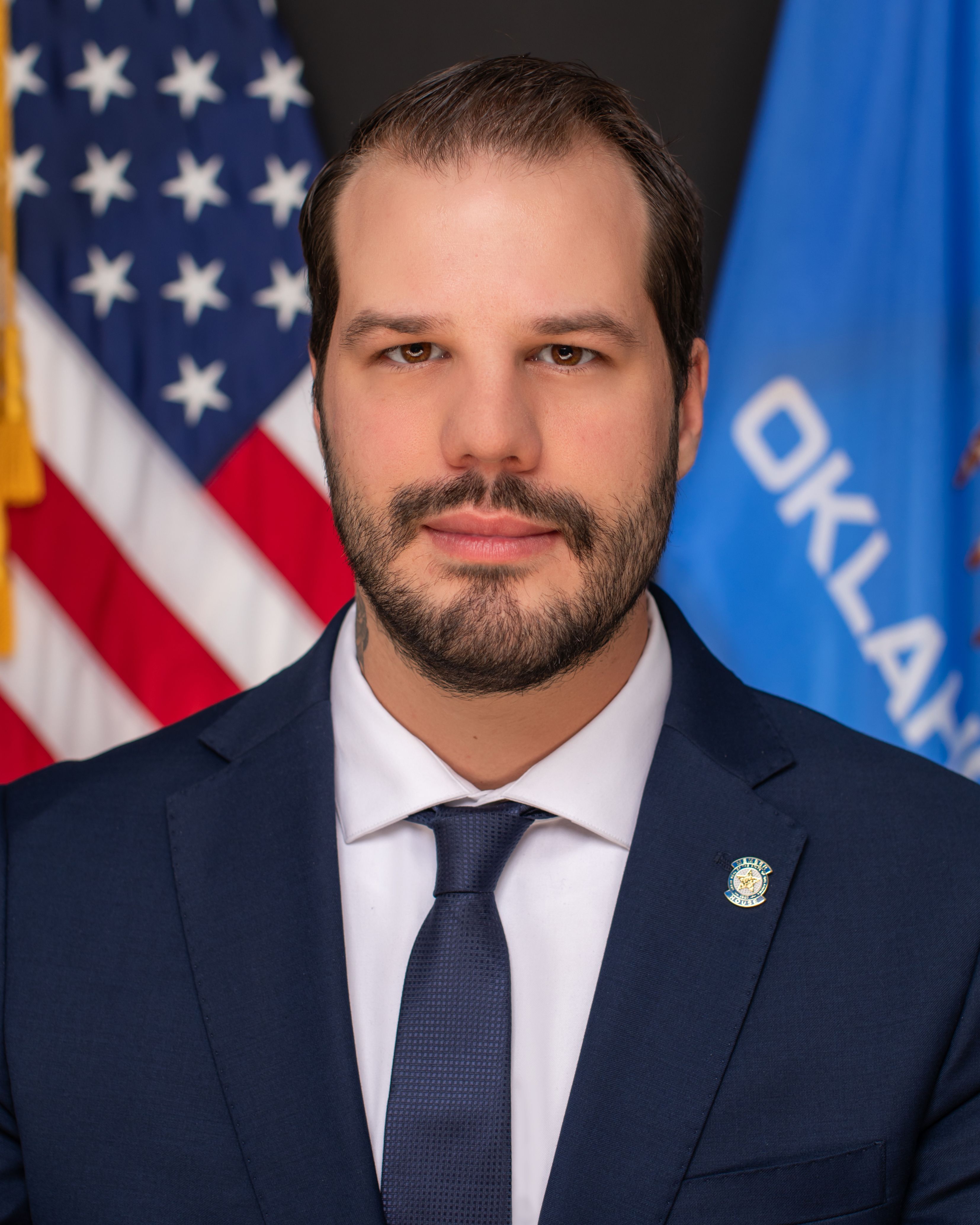
HB 4301 requires escrow and title companies to return earnest money to qualified U.S. veterans or active duty military members if a property appraises for less than the contract price. Companies that fail to comply face a $500 civil penalty per violation, with the funds added to the Attorney General's Law Enforcement Revolving Fund. The bill enforces a federal rule (38 C.F.R. § 36.4303(k)) and takes effect July 1, 2026. It directly affects veterans, active duty military members purchasing property, and the entities handling their escrow payments.
HB 3131 establishes a statewide framework for homeless services in Oklahoma, administered by the State Department of Health. It requires all homeless service providers receiving public funds (including state, federal, or local money) to meet minimum public health, safety, and financial accountability standards. Providers must submit annual reports on funding, services, and outcomes, while local county boards coordinate with providers and law enforcement on safety protocols. The bill also creates statewide reporting requirements and enforcement procedures for noncompliance, ensuring transparency without disclosing personal client information.
HB 3407 creates a new lien for property owners who allow manufactured homes to be placed on their land. If a manufactured home owner doesn't control or use their home for 120 consecutive days, the property owner may claim a lien for the fair rental value of the home. This lien can be enforced like other property liens under Oklahoma law. The bill takes effect on November 1, 2026, directly affecting property owners and manufactured home residents.
HB 3453 changes Oklahoma's eminent domain process by requiring courts to independently review whether a government taking qualifies as a "public use" and is "necessary," without deferring to the government's prior conclusions. It shifts the burden of proof entirely to the condemning authority (like cities or utilities), requiring them to prove necessity for each property parcel separately and show all feasible alternatives were considered. The bill mandates that property owners receive 60 days' notice of all project studies, environmental reviews, and financial analyses before a hearing. If the government fails to meet this burden, property owners may recover their legal fees. This bill affects all property owners facing eminent domain and the agencies seeking to use it, effective November 1, 2026.
This bill proposes a constitutional amendment (HJR 1081) that would eliminate the income requirement for Oklahoma seniors to qualify for a property tax limit on their homesteads. Currently, seniors aged 65+ must meet an income threshold based on HUD median income for their area; this amendment removes that requirement while keeping the age, 7-year occupancy, and $700,000 property value cap. It would apply only to homesteads valued at $700,000 or less, with the tax limit frozen at the value when the owner turned 65 (or January 1, 1997, for those already eligible before 1997). The change requires voter approval via a ballot measure.
HB 2015 (Oklahoma) clarifies tenant rights when landlords fail to meet rental agreement terms or health/safety standards. It requires tenants to provide landlords with written notice of issues, giving them 14 days to fix problems before tenants can take action. If landlords don’t act, tenants may legally withhold rent (up to one month’s cost for repairs), deduct repair costs from rent, or terminate the lease for uninhabitable conditions. The bill also prohibits landlords from pursuing eviction for nonpayment while tenants use these remedies, effective November 1, 2025.
HB 4409 creates a new bipartisan Legislative Workforce Housing Committee to improve Oklahoma's affordable housing access. The committee, composed of equal members from both legislative chambers and parties, will work directly with the Oklahoma Housing Finance Agency to administer the state's Housing Stability Program and develop policy changes. It will establish its own meeting rules and may seek input from community groups or outside experts to address housing needs. The bill takes effect November 1, 2026, and does not change existing housing funding or programs.
HB 4414 creates a zero-interest loan program administered by Oklahoma Housing Finance Agency (OHFA) to build affordable single-family homes statewide. It prioritizes homebuilders seeking to develop housing in communities affected by federally declared natural disasters within the last year. The bill requires OHFA to develop a community needs assessment tool to allocate funds and prohibits participants from also claiming the Oklahoma Affordable Housing Tax Credit. OHFA must submit annual reports detailing program outcomes to state leadership, with the law taking effect November 1, 2026.
HB 2147 creates a new legal process for Oklahoma municipalities to place liens on non-owner-occupied properties for unpaid housing and building code violations, including fines, penalties, and enforcement costs. The bill allows cities to enforce these liens through judicial foreclosure, requiring property owners to pay the full "lien payoff" (including interest and fees) to avoid losing the property. It specifically excludes owner-occupied homes (such as homesteads or properties occupied by residents) from this enforcement. Municipal code liens rank above most other property claims but below tax liens, and the law establishes clear redemption procedures for owners seeking to retain their property.
SB 877 requires Oklahoma real estate licensees (brokers and sales associates) to complete continuing education on "deed theft" prevention by November 1, 2028. It defines "deed theft" as fraudulently altering property documents, misrepresenting ownership, or stealing property through deception. The bill also mandates that brokers provide written notification about deed theft risks to buyers at closing, requiring buyers to sign a confirmation of receipt. This law, effective November 1, 2025, directly affects real estate professionals and homebuyers by adding education requirements and transparency measures to combat property fraud.