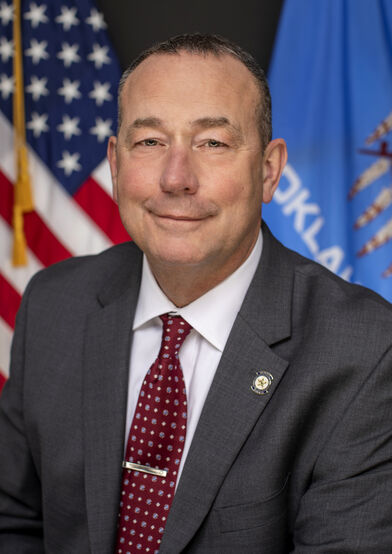
HB 3131 establishes a statewide framework for homeless services in Oklahoma, administered by the State Department of Health. It requires all homeless service providers receiving public funds (including state, federal, or local money) to meet minimum public health, safety, and financial accountability standards. Providers must submit annual reports on funding, services, and outcomes, while local county boards coordinate with providers and law enforcement on safety protocols. The bill also creates statewide reporting requirements and enforcement procedures for noncompliance, ensuring transparency without disclosing personal client information.
HB 3791 protects healthcare providers and parents regarding alternative treatments. It states that doctors, nurses, and physician assistants may recommend holistic or natural treatments they believe are beneficial without risking license loss (Section 1A). Parents or legal guardians may choose such treatments for their children instead of medical advice, with no legal repercussions for child neglect (Section 1B). The law takes effect November 1, 2026.
HB 4124 allows Oklahoma pharmacists to dispense ivermectin to patients without a prescription, following state pharmacy board protocols. Pharmacists would be protected from legal liability when dispensing ivermectin per these protocols. The Oklahoma State Board of Pharmacy would create specific rules for implementation, including patient instructions. The law would take effect November 1, 2026.
HB 4490 creates the Oklahoma Families Thriving Everywhere Now (OFTEN) program through the Oklahoma State Department of Health, using $3 million in state funds for the 2027 fiscal year. The program provides telecare support, community outreach, and care coordination for women with high-risk pregnancies and parents of children under three, aiming to promote healthy childbirth, stable family formation, and economic self-sufficiency. Services include referrals, case management, and parenting assistance delivered by Oklahoma-based community providers. The bill takes effect July 1, 2026, and includes an emergency declaration to accelerate implementation.
HB 3793 establishes new training hour requirements for nursing education programs in Oklahoma. It mandates that diploma programs for registered nurses must total 1,300-1,500 hours (including clinical training), while LPN-to-RN ladder programs must provide 600-700 additional nursing hours beyond LPN education. Non-nursing coursework in both program types is capped at 330 hours. The bill affects nursing programs seeking state approval and takes effect November 1, 2026.
HB 3784 restricts medical micropigmentation (permanent makeup for medical purposes, such as scar camouflage or breast reconstruction) to be performed only in physician offices. It limits who can perform the procedure to three categories: physicians, registered nurses with a special health commissioner certificate working under physician supervision (after 6,240 supervised hours), and other certified individuals under similar supervision rules. Supervision ends once the required hours are documented with the State Board of Health and prescription medications aren't used on clients. The law takes effect November 1, 2026.
SB 1039 modifies Oklahoma's medical marijuana licensing system. It establishes a new Oklahoma Medical Marijuana Authority to process applications, sets a $100 biannual fee (or $20 for Medicaid/Medicare/SoonerCare users) for patient licenses, and creates three license types: standard two-year licenses, 60-day short-term licenses for patients with limited physician recommendations, and 30-day temporary licenses for out-of-state patients from regulated states. The bill requires the Authority to review applications within 14 business days and provide written denial reasons, while also creating caregiver licenses for homebound patients with specific limits. This law directly affects Oklahoma residents seeking medical marijuana access, out-of-state visitors with valid programs, and caregivers.
HB 1224 allows certain minors to consent to specific health services without parental approval, including treatment for pregnancy, sexually transmitted infections, substance abuse, or sexual assault. Parents generally retain access to their minor child's medical records, but this right is limited when the minor uses the bill's self-consent provisions for the listed health conditions. Health professionals must make a reasonable attempt to notify parents for emergency care but are not required to inform them for most other services covered under the bill. The bill also protects health providers from liability when acting in good faith under these rules, ensuring minors' confidentiality in sensitive health matters.
HB 2298 allows qualified Advanced Practice Registered Nurses (APRNs) in Oklahoma - such as nurse practitioners and nurse-midwives - to prescribe medications independently after meeting specific requirements. To qualify, APRNs must complete 6,240 supervised clinical hours, hold a valid license, and carry $1 million in malpractice insurance per incident. The bill also sets rules for APRN advertising (requiring clear disclosure of their role and scope) and defines supervision requirements for those not yet eligible for independent prescribing. It modifies Oklahoma’s Nursing Practice Act, Pharmacy Act, and Controlled Substances Act to implement these changes.
HB 2584 allows physician assistants (PAs) in Oklahoma to prescribe and administer certain controlled substances under the supervision of a licensed physician, as specified in the Oklahoma Pharmacy Act and Physician Assistant Act. The bill clarifies that pharmacists may dispense these prescriptions only when written by a PA licensed in Oklahoma and supervised by an Oklahoma-licensed physician, and it modifies requirements for practice agreements between PAs and their supervising physicians. It also creates a 9-member Physician Assistant Committee with specific membership rules to oversee PA licensure and practice standards. The law directly affects PAs, supervising physicians, and pharmacists who dispense controlled substances. (Summary based on bill text amendments to Sections 353.1a, 519.2, and 519.3 of Oklahoma statutes.)