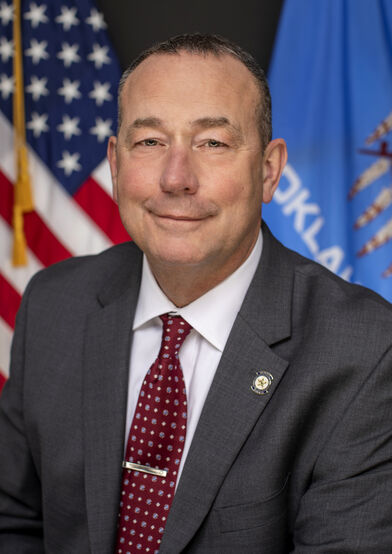
SB 947 updates Oklahoma's nursing facility fee structure and fund allocation rules to improve long-term care services for seniors. It revises how the Nursing Facilities Quality of Care Fee is calculated (based on 6% of total patient gross receipts divided by patient days) and designates specific uses for the resulting fund, including funding 15 ombudsmen positions and increasing monthly personal needs allowances for nursing home residents from $30 to $50. The bill ensures these programs - such as Medicaid services, nursing facility inspections, and senior support services - remain exempt from budget cuts. It directly affects nursing facilities (which pay the fee), seniors receiving Medicaid long-term care, and state agencies managing these programs. The bill was enacted without the Governor's signature on May 13, 2025.
SB 1066 creates a state registry for physicians who recommend medical marijuana in Oklahoma, requiring them to complete specific medical education courses annually to be listed. It mandates that all medical marijuana businesses use a detailed inventory tracking system to record every transaction, from planting to sale, including product types, batches, and sales data. The law also prohibits physicians from being located at the same address as dispensaries and requires them to notify the authority if a patient no longer qualifies for a medical marijuana license. These changes apply directly to licensed physicians, medical marijuana businesses, and the Oklahoma Medical Marijuana Authority, effective January 1, 2026. The bill was signed into law by the governor on May 9, 2025.
SB 806, the Food is Medicine Act, requires Medicaid contractors to expand nutrition services for enrollees, particularly those with diet-related health conditions like diabetes. It creates financial incentives for healthcare providers to offer medically tailored meals and nutrition counseling as part of Medicaid coverage. This directly affects Medicaid beneficiaries and their healthcare providers by integrating food-based health interventions into standard care. The law took immediate effect after Governor approval on May 8, 2025, without a waiting period.
SB 522 creates an Oklahoma Medical Marijuana Authority Executive Advisory Council with six appointed members representing diverse stakeholders, including patients, business owners, and rural/urban communities. The bill requires this Council to establish a task force to research and recommend purchase and possession limits for medical marijuana patients, consulting with physicians, patient groups, veterans, and industry stakeholders. The task force must submit a final report by November 1, 2026, while the Council must issue annual reports to state leadership by November 1 each year. The bill focuses on gathering stakeholder input through structured research rather than changing existing medical marijuana laws. (Note: The bill was vetoed by the Governor on May 9, 2025.)
SB 515 allows Oklahoma health insurance enrollees to pay health care providers directly for covered, medically necessary services at negotiated lower prices. If the patient pays out of pocket for such a service (at a price below the insurer's standard rate), the provider must accept it as full payment and cannot bill for any balance. The insurer must then count this payment toward the patient's deductible and out-of-pocket maximum, depending on whether the provider was in-network or out-of-network. The bill applies to most health benefit plans (excluding Medicaid, Medicare supplements, and short-term plans) and takes effect November 1, 2025. It directly affects patients, providers, and insurers by changing how out-of-pocket payments count toward coverage costs.
SB 1019 requires Oklahoma health insurers to cover continuous anesthesia services without arbitrary time limits during medical procedures. It defines "anesthesia time" as the period from patient preparation through service discontinuation and mandates that insurers cannot restrict coverage or payment based on time duration. The law directly affects insurers and anesthesia providers by eliminating policies that previously limited coverage for procedures requiring extended anesthesia care. Effective November 1, 2025, this bill codifies these requirements into Oklahoma Statutes (Title 36, Section 7500).
HB 2049 requires Oklahoma's Medicaid managed care plans to comply with federal parity laws for mental health and substance use disorder coverage. It mandates regular compliance checks on nonquantitative treatment limitations (like prior authorization), creates a standardized process for handling parity complaints, and requires the Oklahoma Health Care Authority to publicly report on compliance. The law directly affects Medicaid managed care plans, the Oklahoma Health Care Authority, and Medicaid beneficiaries seeking mental health or substance use services. Key provisions include contract requirements for parity analysis, public disclosure of compliance reports, and a 30-day deadline for publishing federal reports. The bill became effective November 1, 2025.
HB 2746 amends Oklahoma's Remote Quality Jobs Incentive Act to require proxy establishments (entities that attract remote workers to the state) to verify that included remote workers have basic health insurance meeting specific coverage standards. The insurance must cover hospital care, physician services, mental health, substance abuse treatment, prescription drugs, and prenatal care, with employees paying no more than 50% of the premium. The bill also clarifies key terms like "remote worker" (an employee working outside Oklahoma who hasn't lived there in the past year) and "new direct job" (a job created by an establishment other than the proxy that didn't exist before application approval). The law takes effect November 1, 2025, and became effective without the Governor's signature on May 8, 2025.
HB 1601, the "ARCHER Act," extends maternity leave protections for eligible public school teachers in Oklahoma. It amends existing sick leave rules (70 O.S. § 6-104.8) to require school districts to provide extended leave for teachers who have worked at least 1,250 hours in the past year, specifically covering pregnancy-related needs beyond standard sick leave. The bill creates a dedicated exception to current sick leave policies, ensuring teachers can take leave for maternity without losing pay, aligning with federal Family and Medical Leave Act (FMLA) standards. This directly affects full-time classroom teachers in public school districts who meet the employment threshold. The law became effective after Governor approval on May 6, 2025.
HB 1816 requires Oklahoma's Medicaid program to prioritize in-state medical providers for in-person care when local options are available, rather than contracting with out-of-state providers. It specifically applies to services requiring the patient's physical presence and direct provider care (excluding remote services like lab work). The Oklahoma Health Care Authority must seek federal approval to implement this change. The bill takes effect November 1, 2025.