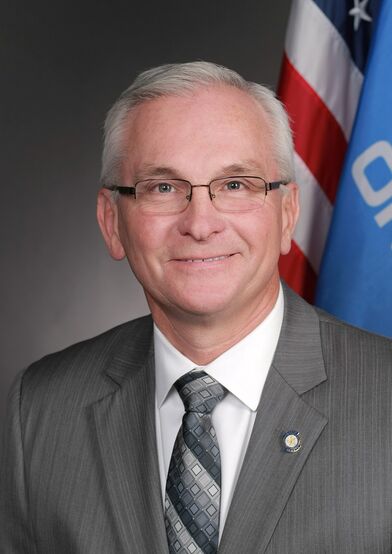
SB 469 modifies eligibility requirements for Oklahoma's Emission Reduction Technology Rebate Program, which provides up to 25% rebates for businesses implementing qualifying emission-reduction projects within the state. The bill clarifies submission deadlines (requiring documentation within six months after fiscal year-end completion) and adds a preliminary review process for applications before project funding is spent. It also specifies that applicants must have filed all required Oklahoma tax returns and maintain $1 million general liability insurance with workers' compensation coverage. The changes apply to businesses seeking rebates administered by the Department of Environmental Quality and Oklahoma Tax Commission, using funds from dedicated revolving funds. The bill takes effect July 1, 2025.
SB 460 establishes natural gas as the preferred fuel source for new fossil fuel electricity generation facilities in Oklahoma, requiring all new plants built after July 1, 2025, to use natural gas unless a generator can demonstrate to regulators that another fossil fuel better serves consumers. The bill amends Oklahoma law to create a "natural gas energy standard" that supplements renewable energy goals, specifically targeting new construction and added capacity at existing fossil fuel plants. This policy directly affects electricity generators planning new facilities or expansions, shifting the default fuel choice from other fossil fuels to natural gas. The law takes effect July 1, 2025, and was enacted as an emergency measure.
SB 448 requires nonresident hunters to obtain written permission from the Oklahoma Wildlife Conservation Commission before using Wildlife Management Areas. This affects out-of-state hunters who previously could access these areas without prior authorization. The bill mandates the Commission to create a lottery system for distributing permits and sets penalties: fines of $100-$1,000 or up to 30 days in jail for violations, with repeat offenses suspending hunting privileges. The law takes effect November 1, 2025, and amends Oklahoma Statutes Section 7-304.
This Oklahoma bill creates a tax credit program to encourage converting old, vacant buildings into housing. Property owners can claim up to 50% of qualified costs (like environmental cleanup, code upgrades, or system repairs) for adaptive reuse projects on structures at least 30 years old that have been vacant or underutilized (with rent below 50% of market rate). The program has a $5 million annual cap on approved credits, with unused funds carried forward to future years. Credits cannot reduce tax liability below zero but may be carried forward for up to 10 years. The Oklahoma Department of Commerce and Tax Commission will administer the program and prioritize projects based on local housing needs.
SB 475 requires the Oklahoma Tax Commission to verify whether taxpayers have claimed a specific income tax credit for clean-burning motor fuel property investments when requested. This bill amends existing tax law (68 O.S. § 2357.22) to update verification procedures for the one-time credit against income tax for qualified clean-burning motor fuel vehicle investments. The change affects taxpayers claiming this credit and streamlines the Tax Commission’s process to prevent duplicate claims. It modifies confidentiality rules (68 O.S. § 205) to allow this verification without compromising other protected tax records. The bill focuses on administrative accuracy for an existing credit, not new tax benefits.
SB 239 modifies Oklahoma's tax credit for electricity generated by zero-emission facilities (like wind, solar, hydro, or geothermal power plants). It limits the credit to tax years ending by 2025, ending the ability to carry forward unused credits beyond that year. For credits claimed after July 2019, taxpayers must choose between receiving an 85% direct refund or carrying the credit forward for up to 10 years (ending in 2025). This bill directly affects businesses and entities generating eligible renewable electricity in Oklahoma, altering how they can use or access these tax credits.
SB 265 creates the Oklahoma Water Infrastructure Loan Program and Revolving Fund to provide low-interest loans for water system improvements. It directly affects municipalities and water districts by enabling them to access funding for projects like upgrading pipes, treatment facilities, or water supply systems. The bill establishes a revolving fund that replenishes as loans are repaid, ensuring ongoing availability of capital. The "Emergency" designation indicates it aims for rapid implementation to address urgent water infrastructure needs.
SB 119 creates an investment rebate program for Oklahoma businesses making significant capital investments in specific energy sectors. It directly affects companies refining/manufacturing hydrogen (blue/green), generating emission-free power, or producing cleaner fuels, requiring them to commit to at least $750 million in qualified capital expenditures with $150 million already spent. Eligible businesses receive rebates equal to 6.67% of qualifying investments, paid from the newly created Commerce Energy Manufacturing Activity Development Fund, which is initially funded with $50 million. The program expires on July 1, 2031, with unspent funds transferring to the General Revenue Fund.
SB 294 amends Oklahoma's Oklahoma Quick Action Closing Fund to exclude electric vehicle manufacturing businesses (specifically those using NAICS code 336110) from eligibility for funding. This bill directly affects companies in the electric vehicle manufacturing industry, preventing them from receiving economic development funds intended for high-impact business projects. The change modifies existing eligibility rules under the fund's statutes without altering other provisions for qualifying industries or the fund's administration. The exclusion applies to all applications for the fund, including those seeking rebates under the Oklahoma Film Enhancement Rebate Program. The bill does not change the fund's purpose, which remains supporting job creation, capital investment, and economic development through targeted business incentives.