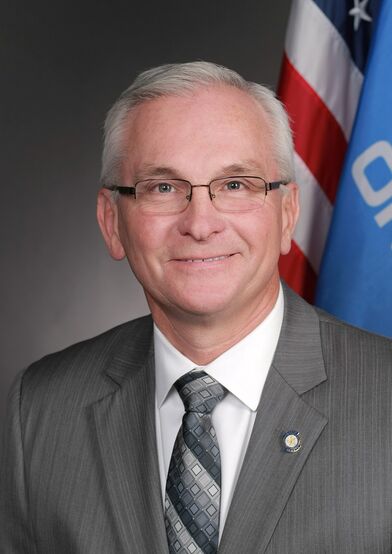
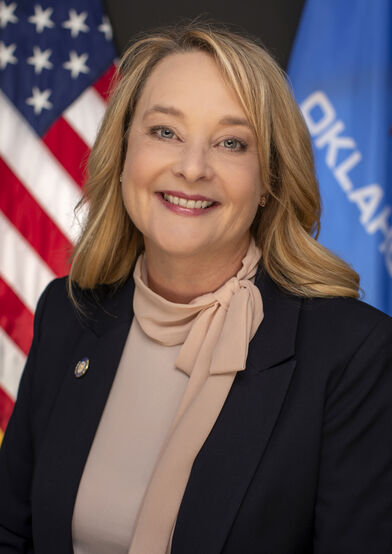
SB 1319 creates a dedicated "Corporation Commission Plugging Fund" to address environmental and safety issues from oil and gas operations. The fund must maintain $5 million, with additional taxes collected if it falls below this level until replenished (effective until July 2031). It establishes a new program allowing homeowners contaminated by brine or oil from *abandoned wells* (as defined by law) to apply for financial assistance from the fund without needing prior insurance claims. The Corporation Commission will determine assistance amounts and create rules to manage applications and verify contamination sources.
HB 1370 establishes a "Corporation Commission Plugging Fund" to address seeping natural gas and environmental safety issues related to oil and gas operations. The bill requires the fund to maintain $5 million, and if it falls below this level, an additional excise tax on oil and gas will be imposed until replenished. It specifies that 10.526% of oil excise tax revenue and 10.5555% of natural gas excise tax revenue must be allocated to this fund, with the remaining portions going to the General Revenue Fund and the Interstate Oil Compact Fund. The bill extends the fund's sunset date from 2026 to 2031, ensuring continued funding for these environmental response efforts.
SB 1314 increases the maximum balance of the Well Drillers and Pump Installers Remedial Action Indemnity Fund from $50,000 to $100,000 and raises the allowable expenditure per well or borehole from $10,000 to $25,000. This bill directly affects commercial well drillers and pump installers in Oklahoma, who pay annual fees that fund the account. The increased limits allow the Oklahoma Water Resources Board to cover more extensive remedial actions needed to protect groundwater from non-compliant or abandoned wells. The fund remains dedicated solely to groundwater protection, with no changes to licensing requirements or enforcement procedures.
SB 2069 prohibits hunters in Oklahoma from taking migratory birds (including ducks, geese, doves, and cranes) by baiting or hunting on baited areas. It defines "baited areas" as locations where salt, grain, or feed was placed to attract birds, banning hunting there for 10 days after removal. The bill allows exceptions for normal agricultural practices like grain scattering during harvest but imposes fines ($250-$750 for first offenses) and automatic license revocation (1-10 years) for violations. This directly affects hunters using prohibited methods, with stricter penalties for repeat offenses. The law takes effect November 1, 2026.
HB 1728 creates the Salt Cedar Eradication Act to manage invasive salt cedar (Tamarix species) in Oklahoma's Upper Red River Basin, directly affecting private, tribal, and public landowners in that region. The Oklahoma Conservation Commission will lead a program that maps infestations, implements eradication methods (like mechanical removal and chemical treatments), and provides financial and technical assistance to landowners. It establishes a revolving fund using state, federal, and private funds designated for salt cedar removal, and requires annual reports to state officials on progress, spending, and recommendations. The program aims to protect water resources, restore native ecosystems, and support agricultural productivity.
HB 3005 extends the operational deadline for the Oklahoma Climatological Survey (OCS) from July 1, 2026, to July 1, 2027, under the Oklahoma Sunset Law. It maintains the OCS's existing structure, including its placement under the University of Oklahoma's Board of Regents, its six core duties (like archiving climate data, producing climate summaries, and operating the Mesonet network), and the director's appointment process. The bill does not alter the Survey's functions or funding but adjusts its sunset date to ensure continued operation. It takes effect July 1, 2026, with an emergency clause allowing immediate implementation.
HB 3173, the Well Repurposing Act, allows Oklahoma's Corporation Commission to authorize converting existing oil and gas wells into facilities for energy storage or geothermal energy development. It defines key terms like "geothermal resources" (excluding oil/hydrocarbons) and requires the Commission to set fees and financial requirements for these repurposed wells. The bill states that wells actively used for energy storage are not considered abandoned, but must be sealed if operations stop for 12+ months. This directly affects oil/gas well operators seeking to repurpose infrastructure under Commission approval.
HB 4246 allows Oklahoma's Department of Environmental Quality (DEQ) to contract with the Oklahoma Rural Water Association or other qualified state suppliers for technical assistance to rural water and wastewater system operators. The bill expands the DEQ's existing authority to partner with nonprofit entities that can provide equally effective support, without requiring new funding. It directly affects rural water system operators statewide by potentially improving access to technical support services. The bill takes effect on November 1, 2026.
HB 3404 establishes the Oklahoma Prescribed Burn Indemnity Fund to reimburse landowners for damages caused when prescribed fires spread beyond intended areas (excluding insurance-covered losses or damage to the landowner's own property). Landowners must develop approved burn plans with local conservation offices, notify adjacent landowners, pay a $250 fee, and file plans 30 days before burning to participate. The fund covers up to $1 million per fire event, with payments made pro-rata if insufficient funds exist, and claims must be filed within 60 days of the incident. This directly affects landowners conducting prescribed burns who meet the administrative requirements.
HB 4459 allows groundwater irrigation districts or conservation districts to create metering programs for farmers, enabling certified participants to apply for a five-year flexible water allocation. This directly affects farmers in participating districts who can temporarily exceed their annual water limit by up to 200% in a single year, as long as their total usage over five years stays within the basin's overall allocation. To qualify, participants must submit annual metering certifications from their district and pay an annual fee. The bill also states that exceeding the 200% annual limit or five-year total triggers penalties for unauthorized water use, as outlined in existing law.