Issue · Education

Education (Higher Education)

Every education bill, vote, and legislator stance in Oklahoma, automatically classified by Maddy, our AI policy reader.

Total bills
97
2026 Regular Session
Top supporter
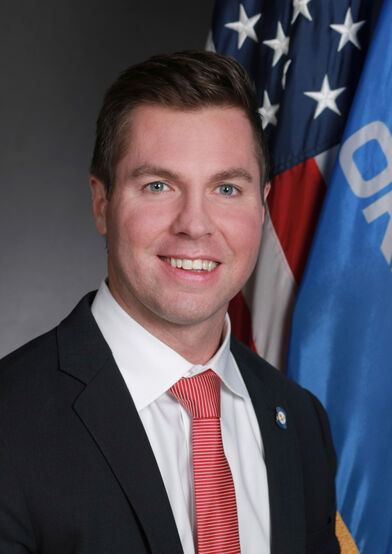
Lonnie Paxton
96% support rate
Top opponent
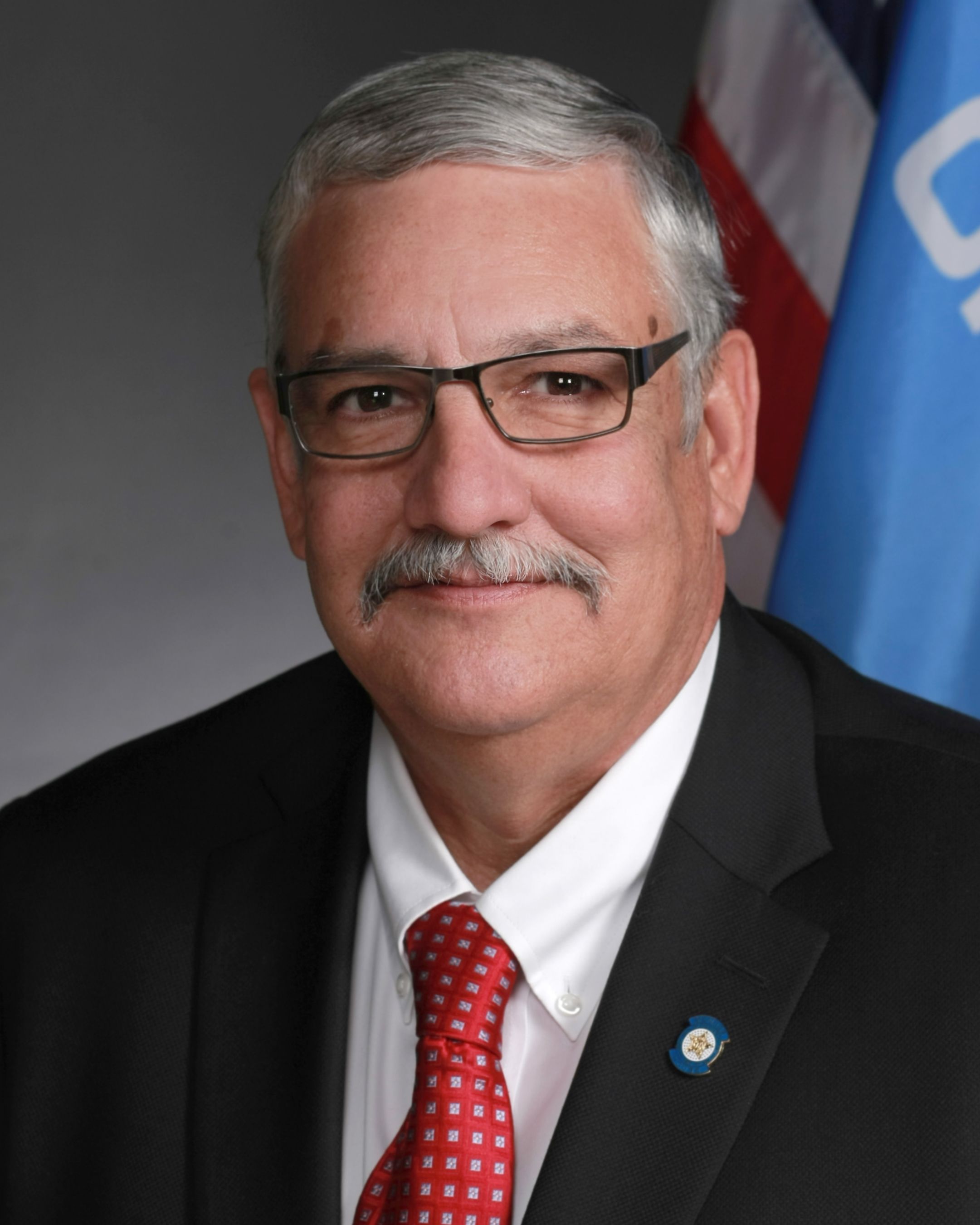
Tom Gann
31% support rate
Ranked legislators
10
5 support · 5 oppose
Key legislators

Who's moving higher education in Oklahoma

Legislators moving higher education in Oklahoma
Legislator Party Stance Support rate Votes
Lonnie Paxton
Lonnie Paxton Senate · District 23
R
Strong +
96% 24
John Haste
John Haste Senate · District 36
R
Strong +
95% 21
Cindy Roe
Cindy Roe House · District 42
R
Strong +
92% 26
Adam Pugh
Adam Pugh Senate · District 41
R
Strong +
92% 24
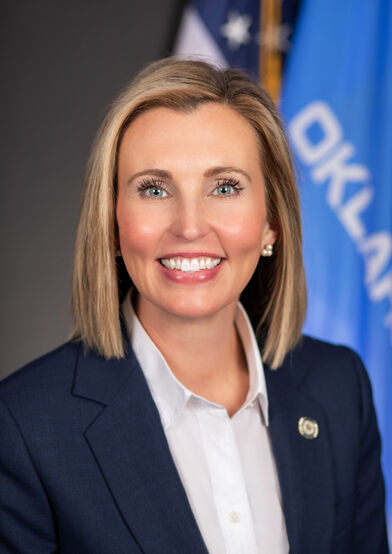
Kristen Thompson
Kristen Thompson Senate · District 22
R
Strong +
92% 24
Tom Gann
Tom Gann House · District 8
R
Oppose
31% 29
Molly Jenkins
Molly Jenkins House · District 33
R
Oppose
33% 30
David Hardin
David Hardin House · District 86
R
Oppose
36% 28
Rick West
Rick West House · District 3
R
Oppose
37% 27
Jim Shaw
Jim Shaw House · District 32
R
Oppose
38% 29
Showing 61–70 of 97 bills

All education bills

in committee · Oklahoma · House Feb 4, 2025

HB 1020: Higher education; Oklahoma Higher Learning Access Program; eligibility for children of certain public school employees; effective date; emergency.

HB 1020 expands eligibility for Oklahoma's Higher Learning Access Program to include children of public school employees who have worked for at least five consecutive years. This specifically covers teachers, librarians, certified nurses, support staff, and correctional instructors with teaching certificates paid by public funds. The bill exempts these students from the standard financial need requirement, automatically qualifying them for tuition assistance. The Oklahoma State Regents for Higher Education must verify the parent's employment status to implement this change.
in committee · Oklahoma · Senate Mar 6, 2025

SB 388: Students; authorizing students enrolled in charter and virtual charter schools to participate in certain extracurricular activities under certain circumstances. Effective date. Emergency.

SB 388 allows students enrolled in charter schools or virtual charter schools to participate in public school extracurricular activities, such as sports or clubs, if they meet residency requirements. It requires school associations to update their policies to include these students and amends Oklahoma’s Extracurricular Activities Accountability Act (70 O.S. 27-103) to reflect this change. The bill defines "resident school district" based on student residence and applies to all charter schools, including virtual ones, effective July 1, 2024. This policy change directly affects students in non-traditional schools seeking equal access to campus activities.
in committee · Oklahoma · Senate Feb 23, 2026

SB 1389: Oklahoma Parental Choice Tax Credit Act; modifying annual limit for certain fiscal years. Emergency.

SB 1389 modifies Oklahoma's Parental Choice Tax Credit Act by increasing annual credit limits for parents or guardians paying qualified education expenses for eligible students. The bill sets income-based maximums: $7,500 for households earning under $75,000, decreasing to $5,000 for households earning over $250,000, with special provisions for schools serving homeless or financially disadvantaged students. It directly affects Oklahoma taxpayers who pay tuition or approved educational expenses (like curriculum, tutoring, or assessments) for students in accredited private schools or qualifying educational programs. The credit applies to tax years 2024 and beyond, with the Oklahoma Tax Commission required to publish specific administrative information. This bill adjusts existing credit limits without changing the program's core structure or eligibility rules.
passed · Oklahoma · House Apr 28, 2025

HB 2019: Revenue and taxation; income tax credit; aerospace industry; effective date.

HB 2019 amends Oklahoma's tax code to create two new tax credits for the aerospace industry. It allows Oklahoma aerospace employers to claim a credit equal to 5-10% of wages paid to employees with Oklahoma degrees (up to $12,500 annually), and employees to claim up to $5,000 annually in tax credits for tuition reimbursement (capped at $5,000 total over five years). Both credits apply only to the first five years of employment and cannot reduce tax liability below zero. The bill extends these credits through 2032 (previously 2026) and takes effect November 1, 2025. It directly affects Oklahoma aerospace companies and their employees who meet the education and employment criteria.
signed · Oklahoma · Senate May 28, 2025

SB 701: Higher education; authorizing the approval of functional exceptions; expanding classes and programs offered to the people of Muskogee. Effective date.

SB 701 temporarily lifts 11 existing legal restrictions that limit which Oklahoma public colleges can offer specific courses or degree programs in Muskogee and Tulsa areas. It prohibits institutions like Northern Oklahoma College, Connors State College, and Northeastern State University from being restricted to only lower-division courses or specific locations for five academic years. The bill authorizes Oklahoma's State Regents for Higher Education to approve "functional exceptions" allowing institutions to expand course offerings beyond their usual mission to address unmet workforce needs. This change takes effect July 1, 2025, directly affecting how community colleges and universities operate in these regions.
Sub-Topics Higher Education
in committee · Oklahoma · House Feb 4, 2025

HB 2236: Economic development; College Graduate Retention Incentive Partnership; Oklahoma Department of Commerce; incentive payments; effective date; emergency.

HB 2236 establishes Oklahoma's College Graduate Retention Incentive Partnership (GRIP) program, administered by the Oklahoma Department of Commerce. It requires participating employers (any business or organization in Oklahoma) to pay eligible graduates of Oklahoma colleges or universities $1,000 annually for up to four years of employment in the state. The program includes a public list of participating employers maintained by the Department and mandates advertising to both employers and students. The law takes effect July 1, 2025.
Sub-Topics Higher Education
in committee · Oklahoma · Senate Feb 4, 2025

SB 686: Oklahoma Parental Choice Tax Credit Act; applying authorized but unused credit to subsequent annual limitation. Effective date.

SB 686 amends Oklahoma's Parental Choice Tax Credit Act to allow taxpayers to carry forward unused portions of their annual credit amount to future tax years. This change specifically increases the annual credit limitation by the amount of certain unused credits from prior years, while removing the previous option to reallocate unused credits between different types of qualified education expenses. The bill affects Oklahoma taxpayers claiming the credit for eligible students' education costs, including private school tuition and related expenses, as defined under the existing program. It does not alter the credit amounts or income thresholds but changes how unused credit is handled administratively.
passed · Oklahoma · Senate Mar 31, 2026

SB 1272: Higher education; increasing income eligibility for an Oklahoma Tuition Equalization Grant. Effective date. Emergency.

SB 1272 raises the maximum family income limit for Oklahoma students to qualify for the Tuition Equalization Grant, a program providing up to $2,000 annually toward college costs. This change directly affects low- and middle-income Oklahoma residents who were previously ineligible due to income thresholds but now meet the updated criteria. The bill amends statute 70 O.S. § 2632 to reflect this higher income limit without altering the grant amount or other eligibility requirements, and it takes effect on July 1, 2026.
passed · Oklahoma · Senate Apr 10, 2025

SB 410: Schools; requiring students beginning certain school year to complete a computer science unit to graduate with standard diploma. Effective date. Emergency.

SB 410 requires Oklahoma public high school students in grades 8-12 to complete a computer science unit to earn a standard diploma starting with the 2024-2025 school year. This replaces the previous requirement for two world language units with a new computer technology course requirement covering programming, hardware, and business applications like spreadsheets. The bill mandates that this unit must be approved for college admission and excludes basic keyboarding or typing courses. It directly affects all students pursuing standard diplomas in Oklahoma public high schools under the updated graduation requirements.
in committee · Oklahoma · Senate Feb 24, 2025

SB 58: Higher education; creating the First Responder Recruitment and Retention Act; providing for eligibility; allowing tuition waiver for certain time period. Effective date. Emergency.

SB 58 creates Oklahoma's First Responder Recruitment and Retention Act, providing resident tuition waivers at state colleges for eligible first responders. It directly affects peace officers (per 21 O.S. §648), fire department members (volunteer or paid), and licensed emergency medical technicians (per 63 O.S. §1-2505). Eligible students can receive tuition waivers for up to five years or until degree completion, whichever comes first, but only after exhausting other state or federal aid. The program requires applications verifying eligibility and maintaining academic standards at participating Oklahoma higher education institutions.
Sub-Topics Curriculum Higher Education Tags Emergency Management Public Safety
Showing 61 to 70 of 97 bills
Previous 1 6 7 8 10 Next