Issue · Education

Education (K-12 Education)

Every education bill, vote, and legislator stance in Oklahoma, automatically classified by Maddy, our AI policy reader.

Total bills
84
2026 Regular Session
Top supporter
Kelly Hines
93% support rate
Top opponent
Julia Kirt
12% support rate
Ranked legislators
10
5 support · 5 oppose
Key legislators

Who's moving k-12 education in Oklahoma

Legislators moving k-12 education in Oklahoma
Legislator Party Stance Support rate Votes
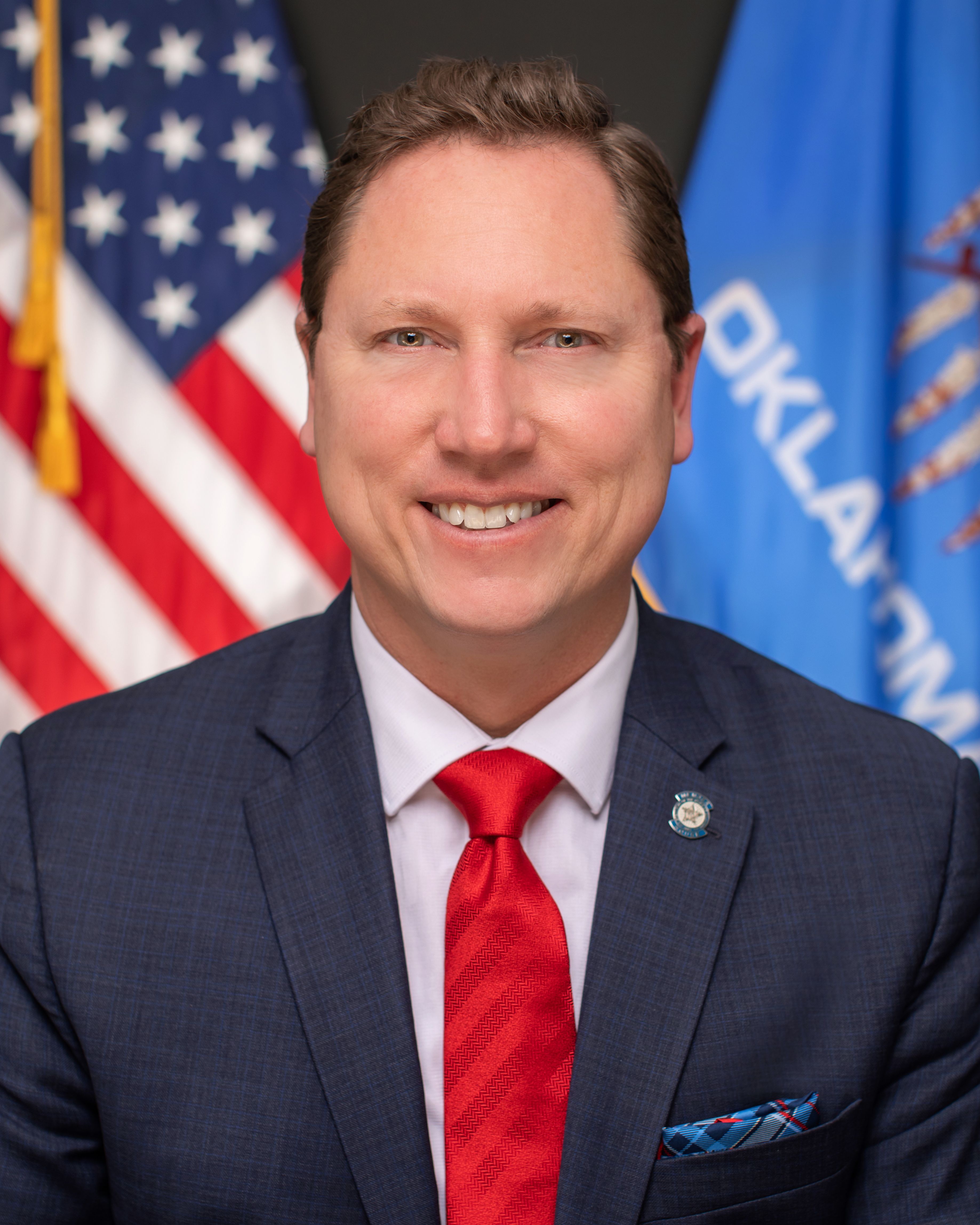
Kelly Hines
Kelly Hines Senate · District 47
R
Strong +
93% 15
Carl Newton
Carl Newton House · District 58
R
Strong +
93% 14
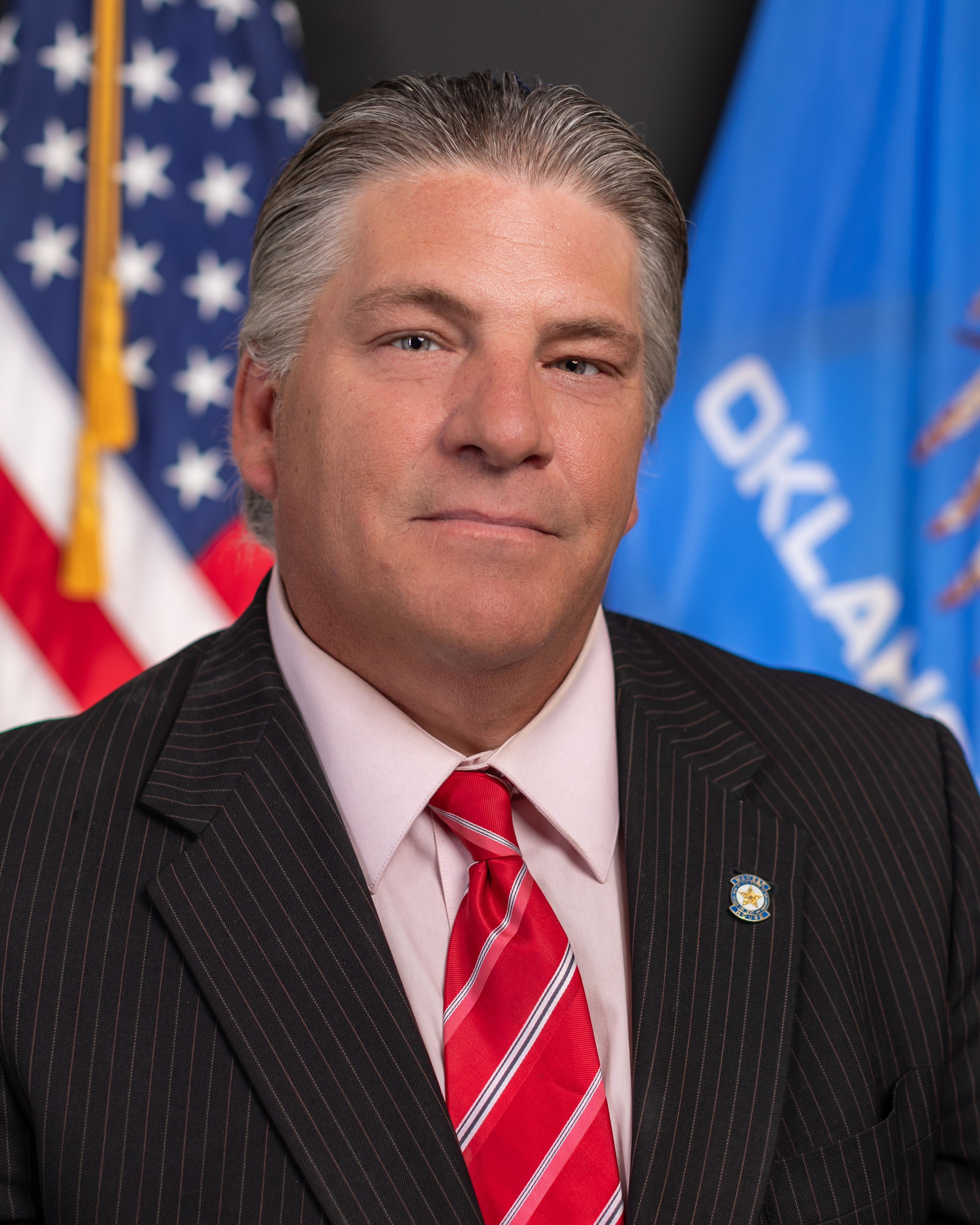
Brian Hill
Brian Hill House · District 47
R
Strong +
92% 13
Scott Fetgatter
Scott Fetgatter House · District 16
R
Strong +
91% 11
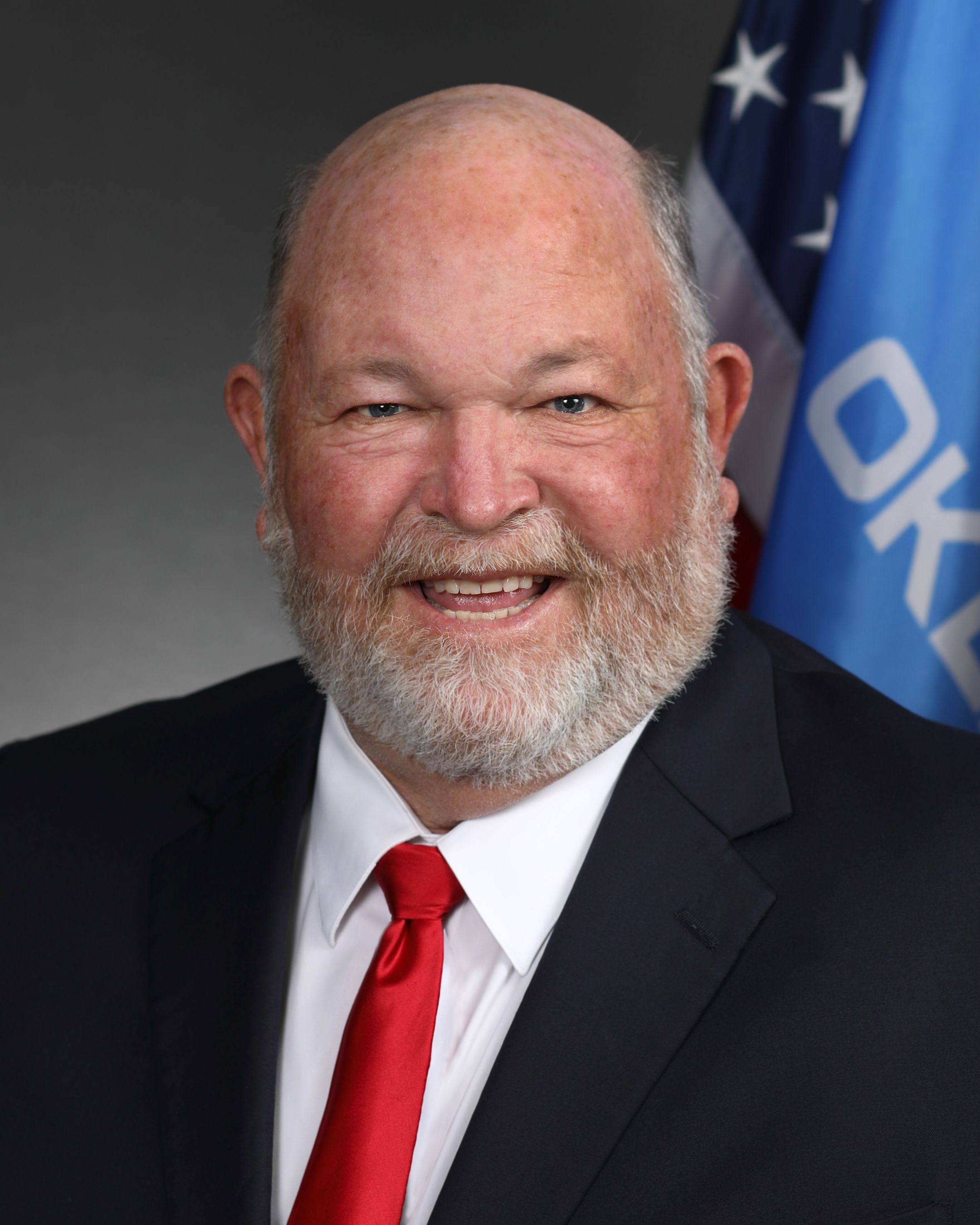
Bob Culver
Bob Culver House · District 4
R
Strong +
90% 10
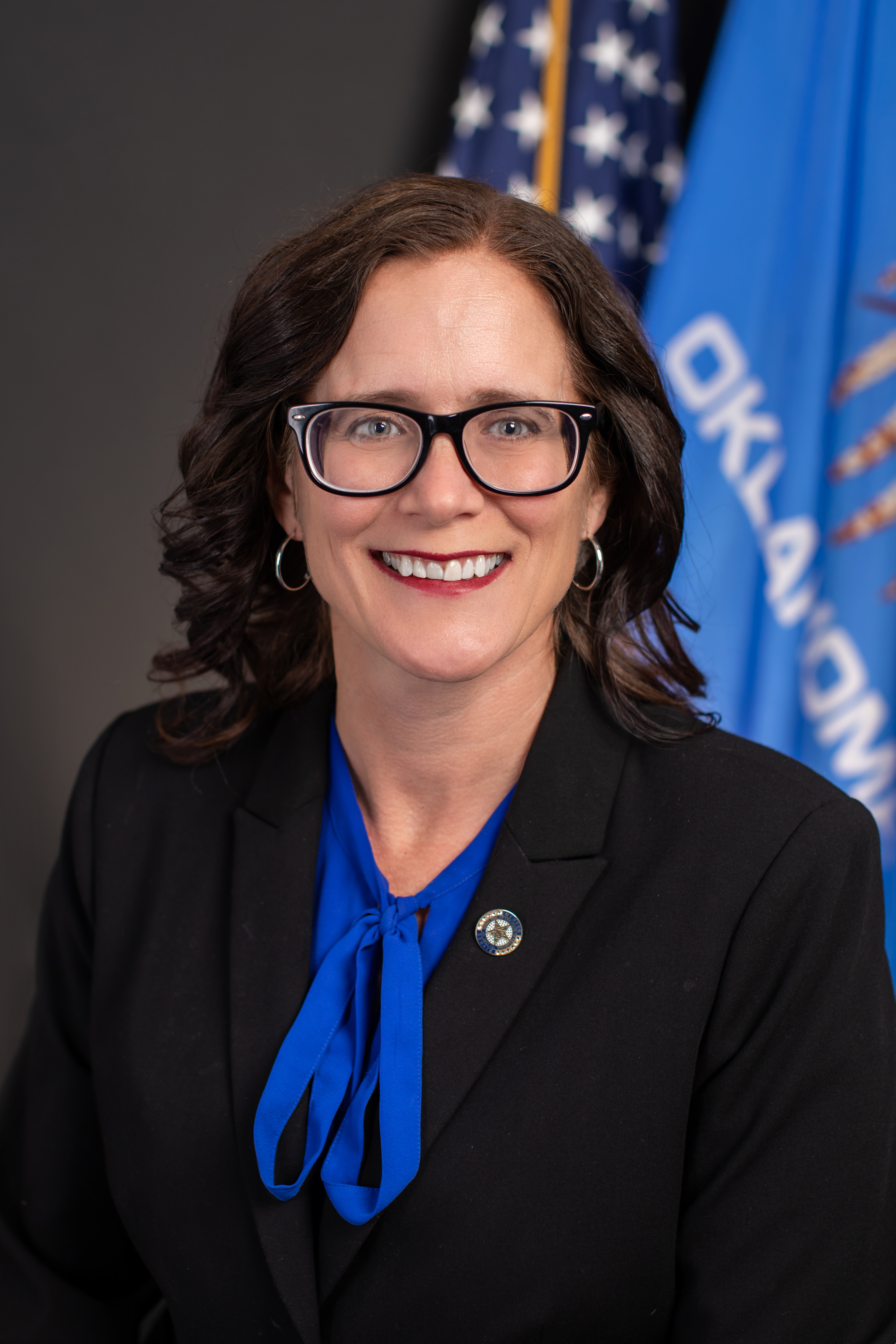
Julia Kirt
Julia Kirt Senate · District 30
D
Strong −
12% 8
Michael Brooks
Michael Brooks Senate · District 44
D
Strong −
12% 8
Annie Menz
Annie Menz House · District 45
D
Strong −
17% 6
Nikki Nice
Nikki Nice Senate · District 48
D
Oppose
25% 8
Regina Goodwin
Regina Goodwin Senate · District 11
D
Oppose
25% 8
Showing 41–50 of 84 bills

All education bills

in committee · Oklahoma · Senate Feb 3, 2026

SB 2016: Technology center school districts; directing the Oklahoma Department of Career and Technology Education to take certain actions in its administration of certain federal funds. Effective date.

SB 2016 directs Oklahoma's Department of Career and Technology Education to prioritize federal Perkins Act funds for expanding high-demand vocational programs (like welding, healthcare, and construction) in technology center school districts. It requires 20% of state leadership funds to support high school student enrollment through transportation, tuition waivers, and school partnerships, and creates performance incentives for districts increasing student participation. The bill mandates an annual report tracking enrollment growth, industry credentials earned, and fund distribution to the Governor and legislature. It directly affects technology center districts and Oklahoma high school students seeking vocational training pathways.
in committee · Oklahoma · House Feb 4, 2025

HB 1361: Schools; definitions; prohibiting school personnel and students from requesting and using certain pronouns or alternate names in certain situations; effective date; emergency.

HB 1361 requires Oklahoma public school personnel and students to use pronouns or names consistent with a person's "assigned sex at birth" (defined by biological sex documented on a birth certificate) without written parental permission. It prohibits school staff from asking students about preferred pronouns or names, and students from requesting staff to use non-birth-sex pronouns or names, unless parents provide written consent. Violations must be reported to administrators within 24 hours, who then notify parents. The bill applies to all public K-12 schools and school employees, excluding students with certain medically documented conditions, and takes effect July 1, 2025.
Sub-Topics K-12 Education
passed both · Oklahoma · Senate May 28, 2025

SB 245: State Department of Education; directing the Department to establish the Oklahoma High Dosage Tutoring Program. Effective date. Emergency.

SB 245 creates the Oklahoma High Dosage Tutoring Program for grades K-8, targeting students at least half a grade level behind in math or English language arts. The program requires in-person tutoring (3+ one-hour sessions weekly for 10-12 weeks per semester), with school districts prioritizing federally designated schools under the Every Student Succeeds Act. Tutors earn bonuses based on student progress (e.g., $1,600 per cohort per semester and $1,000 per grade-level improvement), and districts must track student growth using standardized assessments. Funding comes from a new revolving fund in the State Treasury, supported by state appropriations, federal grants, and other designated sources.
Sub-Topics K-12 Education
in committee · Oklahoma · Senate Feb 26, 2026

SB 1372: Probation; permitting certain offenders to receive completion and education credits under certain circumstances. Effective date.

SB 1372 allows eligible Oklahoma probationers to shorten their probation term by earning credits. Offenders who complete their first year of probation or earn a high school diploma, college degree, or vocational certificate can receive credits equal to 1/4 of their probation length. Supervising agencies must track these credits, notify offenders annually about their projected termination date, and inform courts when credits qualify for early termination. The bill excludes those convicted of certain serious offenses (like specific sex crimes or violent felonies) and allows offenders who complete education after probation ends to file a court motion for credit reduction.
signed · Oklahoma · Senate May 29, 2025

SB 31: Career and technology education; creating the Oklahoma National Guard CareerTech Assistance Act; providing for eligibility; providing for application process. Effective date. Emergency.

SB 31 creates the Oklahoma National Guard CareerTech Assistance Program, providing tuition coverage for eligible members enrolled in career and technology programs at Oklahoma technology centers that lead to certification or licensure. It directly affects current Oklahoma National Guard members in good standing with a high school diploma or GED who enroll in such programs, limiting assistance to three years and requiring a 24-month active service commitment after program completion. Key provisions include maintaining a 2.0 GPA, holding a military occupational specialty (MOS) after the first semester, and mandatory repayment if service or academic requirements are not met. The program is funded through a revolving fund supported by state appropriations and repayments, with applications processed through the Military Department.
in committee · Oklahoma · Senate Feb 3, 2026

SB 1357: Adult education matching funds; providing certain matching funds subject to availability; providing for continuation of funding subject to availability. Effective date. Emergency.

SB 1357 requires Oklahoma to provide dollar-for-dollar matching funds for federal adult education and family literacy grants received by the state. It directs these funds to school districts offering high school equivalency diploma courses, with the State Board of Career and Technology Education distributing the money. The bill includes a contingency: if federal funding ends, Oklahoma must continue matching at twice the previous year’s federal amount (if funding allows). The law takes effect July 1, 2026, and was declared an emergency to allow immediate implementation.
Sub-Topics K-12 Education
died · Oklahoma · House Feb 4, 2026

HB 2944: Strong Readers Act; Oklahoma Reading Excellence through Accountability, Development, and Standards (READS) Act; reading assessments; screening instruments; third-grade retention; annual reporting; good-cause exemptions; intervention services; intensive acceleration class; literacy coaches; funding; summer academies; alternative assessments; effective date; emergency.

HB 2944 (Strong Readers Act) requires Oklahoma public schools to administer standardized reading screenings for students in kindergarten through third grade to identify those not meeting grade-level reading targets. Students identified as struggling must receive a research-based reading intervention plan within 30 days, including additional instruction in phonological awareness, decoding, fluency, vocabulary, and comprehension, plus access to free online literacy resources for families. The bill mandates third-grade retention for students who do not meet reading targets after interventions, with exemptions for students with disabilities, English learners, or those using Braille/sign language. Schools must also provide literacy coaches, summer academies, and annual reporting on student reading progress.
Sub-Topics K-12 Education
in committee · Oklahoma · Senate Feb 5, 2026

SB 1207: Schools; directing the State Department of Education to develop curriculum to address awareness and prevention of domestic violence and human trafficking. Effective date. Emergency.

SB 1207 requires Oklahoma's State Department of Education to develop a curriculum for public high school students (grades 9-12) on recognizing, preventing, and seeking help for domestic violence and human trafficking. The curriculum must cover warning signs of abusive behavior, healthy relationship skills, and be medically accurate for students' ages. School districts may integrate this into existing courses or teach it as a standalone unit, but must provide parents an opt-out option for their child. The bill takes effect July 1, 2026, with the curriculum to be ready before the 2027-2028 school year.
vetoed · Oklahoma · House May 29, 2025

HB 1521: Schools; subject matter standards; personal financial literacy; AP courses; updating references; permitting alternate diploma for certain students; repealer; effective date; emergency.

HB 1521 changes Oklahoma high school graduation requirements for math credits. It mandates four math units, including Algebra I and either Algebra II or Geometry, plus a third course at or above Algebra I rigor (such as Finance, Computer Science, or dual-credit math). Schools may also use locally developed, applied math courses that connect to real-world contexts. The bill directly affects Oklahoma public high school students and school districts setting graduation standards. It updates existing requirements but does not alter personal financial literacy or AP course policies.
in committee · Oklahoma · Senate Feb 4, 2025

SB 242: Higher education; creating the Veterans Entering Teaching (VET) Act to provide certain tuition and fee assistance. Effective date. Emergency.

SB 242 creates Oklahoma's Veterans Entering Teaching (VET) Program, providing tuition and mandatory fee assistance to veterans discharged honorably from the U.S. Armed Forces who enroll in approved teacher preparation programs at Oklahoma colleges or universities. To qualify, veterans must commit to teaching in an Oklahoma public school district for three consecutive years after earning their degree. The program covers tuition and fees for degree completion (up to $2 million annually) but requires veterans to exhaust federal education benefits first and prohibits overlapping with another teacher training program. Failure to meet the teaching commitment requires repayment calculated based on months missed, with hardship waivers available.
Showing 41 to 50 of 84 bills
Previous 1 4 5 6 9 Next