Issue · Education

Education (K-12 Education)

Every education bill, vote, and legislator stance in Oklahoma, automatically classified by Maddy, our AI policy reader.

Total bills
84
2026 Regular Session
Top supporter
Kelly Hines
93% support rate
Top opponent
Julia Kirt
12% support rate
Ranked legislators
10
5 support · 5 oppose
Key legislators

Who's moving k-12 education in Oklahoma

Legislators moving k-12 education in Oklahoma
Legislator Party Stance Support rate Votes
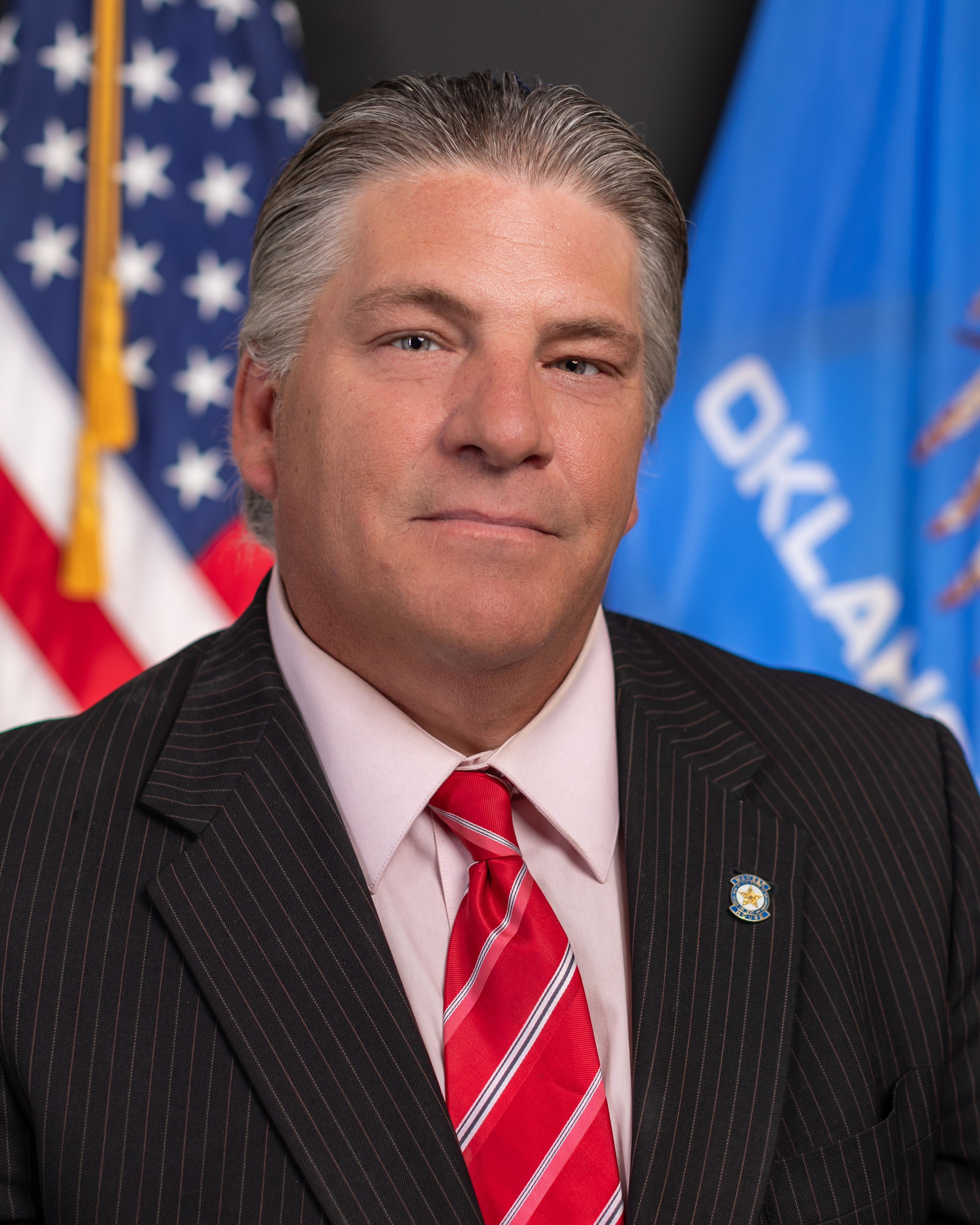
Kelly Hines
Kelly Hines Senate · District 47
R
Strong +
93% 15
Carl Newton
Carl Newton House · District 58
R
Strong +
93% 14
Brian Hill
Brian Hill House · District 47
R
Strong +
92% 13
Scott Fetgatter
Scott Fetgatter House · District 16
R
Strong +
91% 11
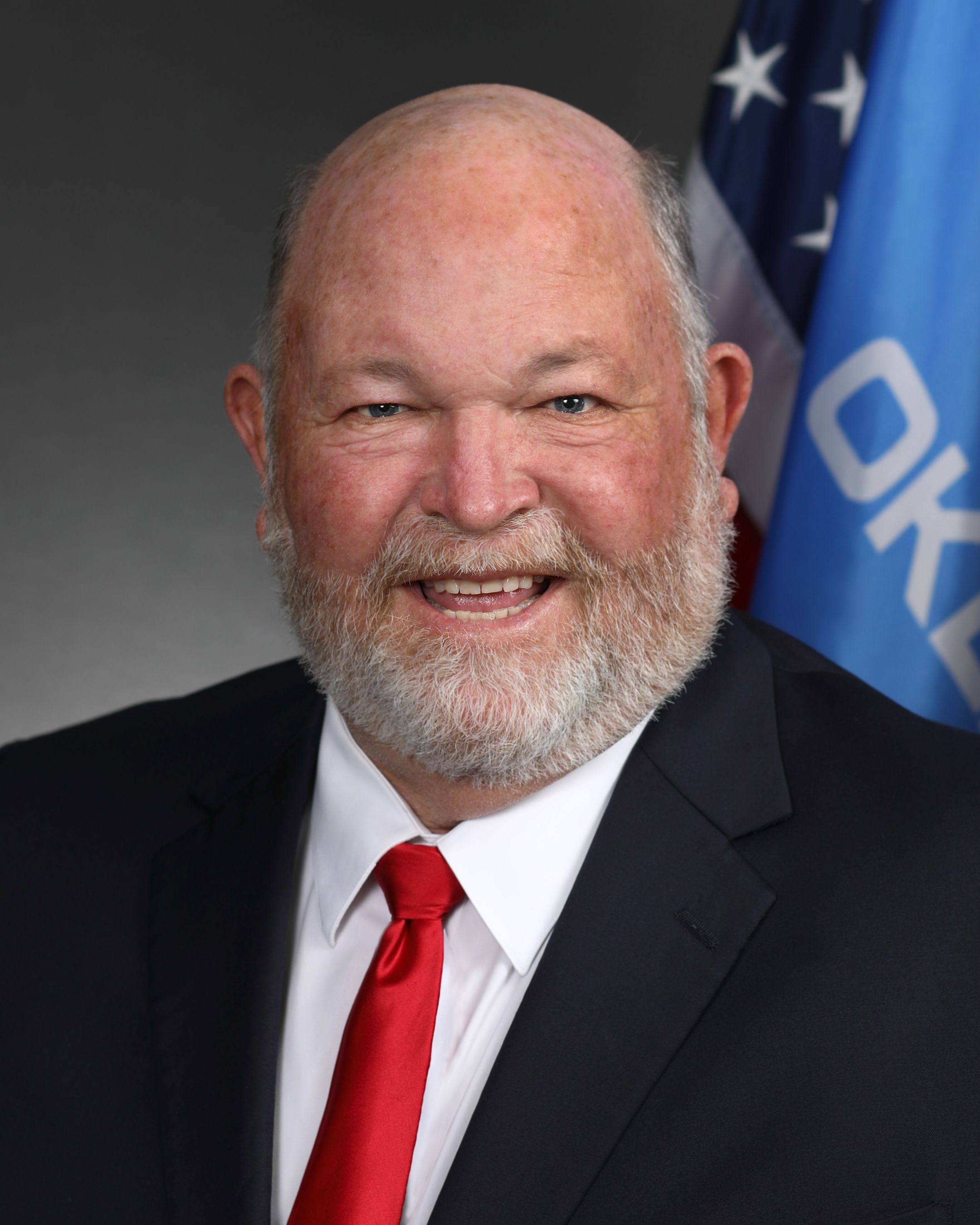
Bob Culver
Bob Culver House · District 4
R
Strong +
90% 10
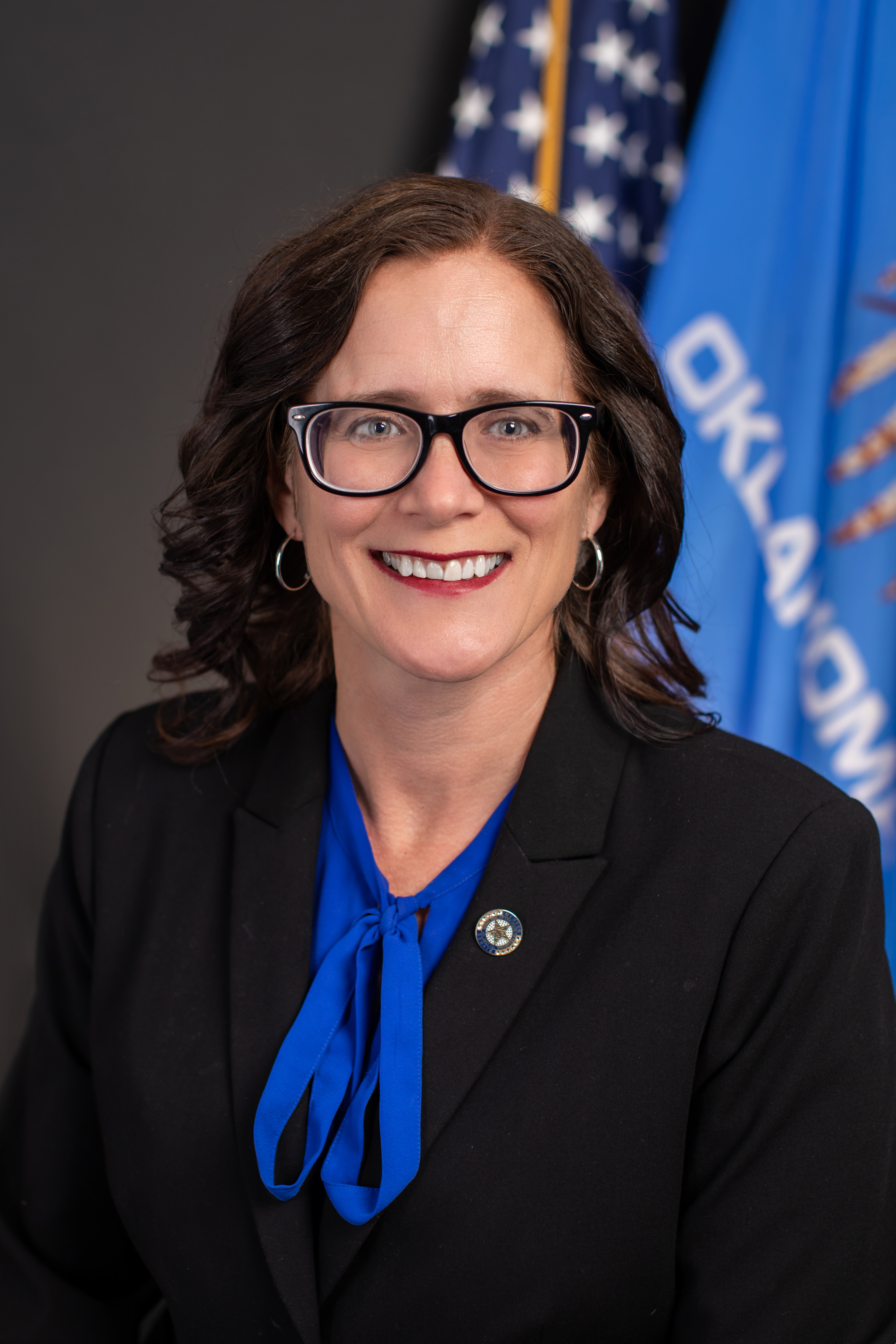
Julia Kirt
Julia Kirt Senate · District 30
D
Strong −
12% 8
Michael Brooks
Michael Brooks Senate · District 44
D
Strong −
12% 8
Annie Menz
Annie Menz House · District 45
D
Strong −
17% 6
Nikki Nice
Nikki Nice Senate · District 48
D
Oppose
25% 8
Regina Goodwin
Regina Goodwin Senate · District 11
D
Oppose
25% 8
Showing 31–40 of 84 bills

All education bills

in committee · Oklahoma · Senate Feb 3, 2026

SB 2068: Schools; requiring each public school district to create a library advisory committee for each grade level. Effective date. Emergency.

SB 2068 requires every public school district in Oklahoma to form a library advisory committee for each grade level taught. Each committee must include one school board member, one teacher from that grade, and one parent or guardian of a student in that grade. These committees will review and approve all library materials (including books, digital resources, and equipment) to ensure they meet community standards and student needs. The bill takes effect on July 1, 2026, and declares an emergency to expedite implementation.
died · Oklahoma · House Feb 19, 2026

HB 4149: Strong Readers Act; references; legislative findings; declaring intent of the Legislature; reading screenings; reading deficiencies; parent notifications; State Department of Education; reading panel; alternate reading assessments; promotion to fourth grade; retaining third grade; good-cause exemptions; intensive reading instruction; intensive acceleration class; reporting requirements; teacher training requirements; eighth-grade reading level; driver license; remedial reading for driver licenses; alternative reading proficiency tests; motorcycle licenses; testing site requirements; documentation requirements; out of state test results; school enrollment, completion, or lawful excuse for minors to obtain a driver license; violations; alternate route to obtain driver license; employer fines; attendance officers; Department of Public Safety; license cancellation; definitions; exceptions; forms; effective date; emergency.

HB 4149, the Strong Readers Act, requires Oklahoma public schools to screen all kindergarten through third-grade students for reading proficiency three times yearly using state-approved tools. It prohibits the "three-cueing system" (meaning/structure/visual cues) in reading instruction and mandates evidence-based teaching methods focused on phonological awareness, decoding, fluency, vocabulary, and comprehension. Students who do not meet grade-level reading standards may be retained in third grade, with schools required to provide intensive reading instruction, notify parents, and establish acceleration classes for retained students. The law aims to ensure students achieve grade-level reading proficiency by the end of third grade through standardized assessments and targeted support.
in committee · Oklahoma · House Feb 3, 2026

HB 3023: Strong Readers Act; reading screenings; screening instruments; intervention plan implementation and reporting; Reading Proficiency Team; State Department of Education; benchmarks; literacy coaches; retention, tutoring, and re-screening options for first and second grade students; mandatory retention for third grade students who do not meet certain benchmarks; exceptions; tutoring and summer academy options; alternative placement teaching certificates; adjunct teachers; prohibitions; effective date; emergency.

HB 3023, the Strong Readers Act, requires annual reading screenings for all kindergarten through third-grade students in Oklahoma public schools to identify reading deficiencies. Students not meeting grade-level targets must receive tailored intervention plans within 15 days, including evidence-based instruction in phonological awareness, decoding, fluency, vocabulary, and comprehension. Third-grade students who do not meet benchmarks face mandatory retention unless they qualify for exceptions or participate in tutoring or summer academies. The bill mandates approved screening tools, weekly progress reporting to the State Department of Education, and exemptions for students with disabilities, English language learners, or those using Braille/sign language.
Sub-Topics K-12 Education
passed · Oklahoma · House Apr 9, 2026

HB 3026: Schools; requiring school districts to set different kindergarten age requirements for international military dependents; effective date; emergency.

HB 3026 requires Oklahoma school districts to create a specific policy allowing children of U.S. allied military members stationed at Oklahoma bases (like Fort Sill or Tinker AFB) to enroll in kindergarten if they will turn age 5 during the school year, rather than needing to turn 5 by September 1. This changes the standard age cutoff for kindergarten eligibility for these military dependents. School districts must adopt this policy to accommodate families who may have moved to Oklahoma mid-year due to military assignments. The bill takes effect July 1, 2026, and is designated as an emergency measure.
Sub-Topics K-12 Education
passed · Oklahoma · Senate Apr 7, 2026

SB 1480: Career and technology education; directing the Oklahoma Department of Career and Technology Education to establish certain pilot program beginning in certain school year. Effective date. Emergency.

SB 1480 requires all Oklahoma technology center school districts to appoint an apprenticeship coordinator. These coordinators must build employer relationships, help students access apprenticeships, and work with schools that offer apprenticeships under the AIM Act. The bill also mandates that schools serving technology centers must collaborate with these coordinators to improve student participation in apprenticeship programs. This directly affects technology center districts, their partner schools, and high school students seeking work-based learning opportunities.
died · Oklahoma · House Feb 12, 2026

HB 4148: Schools; Oklahoma Kids After-School Grant Program (OKAGP); Department of Human Services; eligibility; exemptions; promulgation of rules; revolving fund; effective date.

HB 4148 creates the Oklahoma Kids After-School Grant Program (OKAGP) at the Department of Human Services to fund community-based after-school programs for K-12 students. It requires qualifying programs to use "science of reading" methods (explicit phonological awareness, decoding, fluency, vocabulary, and comprehension instruction) and allows organizations operating five or more locations in Oklahoma to qualify for exemptions from child care licensing requirements. The bill establishes a revolving fund in the State Treasury, funded by state appropriations and donations, to award grants without annual fiscal year limits. This program directly affects community organizations running after-school services and aims to expand access to structured academic support during non-school hours. The bill takes effect November 1, 2026.
Sub-Topics K-12 Education
in committee · Oklahoma · House Feb 3, 2026

HB 3488: Schools; Student Secular Bill of Rights; stating public school student rights related to religious and secular practice on school grounds; definitions; violations; compliance; effective date; emergency.

HB 3488, the "Student Secular Bill of Rights," establishes specific rights for public school students in Oklahoma regarding religious and secular practices. It guarantees students the right to practice or refrain from religion on school grounds or at school events (if orderly), prohibits school-sponsored religious activities (including staff-led prayer, religious displays like the Ten Commandments, or required religious texts), and protects academic study of religion when conducted objectively. The bill also requires schools to provide reasonable accommodations for religious observances, dietary needs, or grooming practices. It applies to all public K-12 schools, including charter schools, and defines key terms like "coerce" and "religious activity" to clarify boundaries.
Sub-Topics K-12 Education
in committee · Oklahoma · House Feb 3, 2026

HB 4156: Teachers; employment contracts; job description and duties category; prohibiting certain provisions; permitting compensated additional duties outside of contract hours; effective date; emergency.

HB 4156 requires Oklahoma public school districts to include specific, clear categories in teacher employment contracts, such as detailed job descriptions, guaranteed 30-minute duty-free lunch breaks, and itemized salary and benefit breakdowns. It prohibits contracts from containing vague phrases like "all other duties as assigned" or requiring uncompensated work outside scheduled hours, while allowing compensated additional duties outside contract time. The law directly affects K-12 teachers in Oklahoma public school districts by mandating transparency in their contracts and compensation. It takes effect July 1, 2026, and applies to all new and renewed contracts starting with the 2026-2027 school year.
signed · Oklahoma · Senate May 12, 2026

SB 2045: Schools; Grow Your Own Educator Program; eligible school district; funds; alternative certification pathway. Emergency.

SB 2045 requires public elementary schools serving full-day pre-kindergarten through fifth grade to provide at least 30 minutes of daily recess as a condition of state accreditation. This applies to all students in those grades, with recess allowed to be split into segments and required to occur outdoors when weather and conditions permit. The bill removes previous recommendations about recess and instead mandates it as a distinct requirement separate from the existing 60-minute weekly physical education requirement. Schools must comply by July 1, 2026, or risk losing accreditation.
in committee · Oklahoma · House Feb 3, 2026

HB 3598: Higher education; prohibiting illegal immigrants from receiving scholarships, financial aid, or resident tuition; effective date; emergency.

HB 3598 prohibits undocumented immigrant students in Oklahoma from receiving in-state tuition rates or state-funded scholarships and financial aid at public colleges and universities. The bill amends Oklahoma law to remove the existing pathway allowing such students to qualify for resident tuition by meeting high school residency requirements and submitting immigration applications, and explicitly bans them from these benefits. An exception applies to students enrolled in a degree program during the 2006-2007 school year or earlier who previously received resident tuition under prior rules. The law takes effect on July 1, 2026.
Showing 31 to 40 of 84 bills
Previous 1 3 4 5 9 Next