Issue · Education

Education (Higher Education)

Every education bill, vote, and legislator stance in Oklahoma, automatically classified by Maddy, our AI policy reader.

Total bills
20
2026 Regular Session
Top supporter
Lonnie Paxton
96% support rate
Top opponent
Tom Gann
31% support rate
Ranked legislators
10
5 support · 5 oppose
Key legislators

Who's moving higher education in Oklahoma

Legislators moving higher education in Oklahoma
Legislator Party Stance Support rate Votes
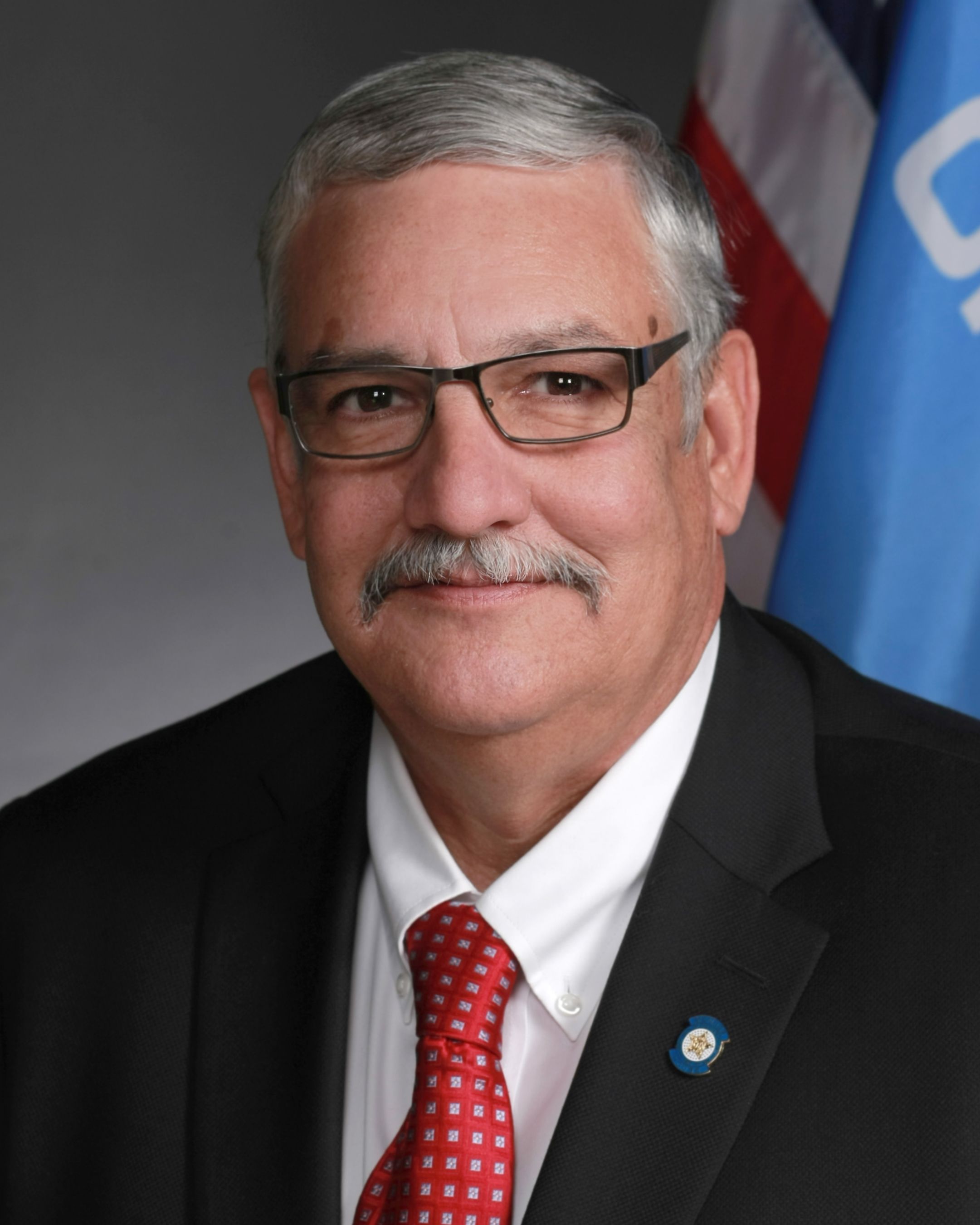
Lonnie Paxton
Lonnie Paxton Senate · District 23
R
Strong +
96% 24
John Haste
John Haste Senate · District 36
R
Strong +
95% 21
Cindy Roe
Cindy Roe House · District 42
R
Strong +
92% 26
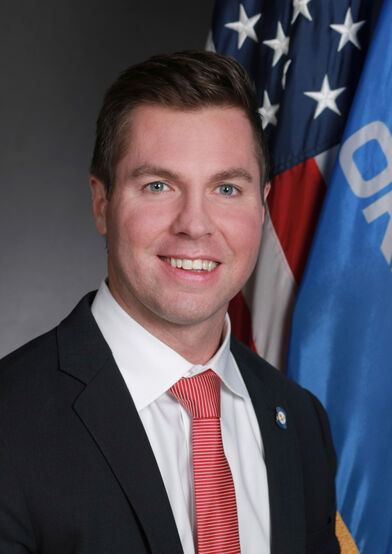
Adam Pugh
Adam Pugh Senate · District 41
R
Strong +
92% 24
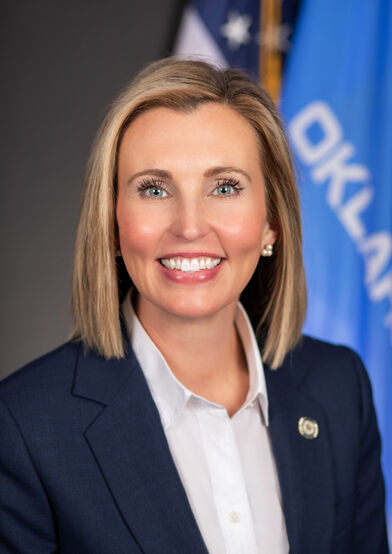
Kristen Thompson
Kristen Thompson Senate · District 22
R
Strong +
92% 24
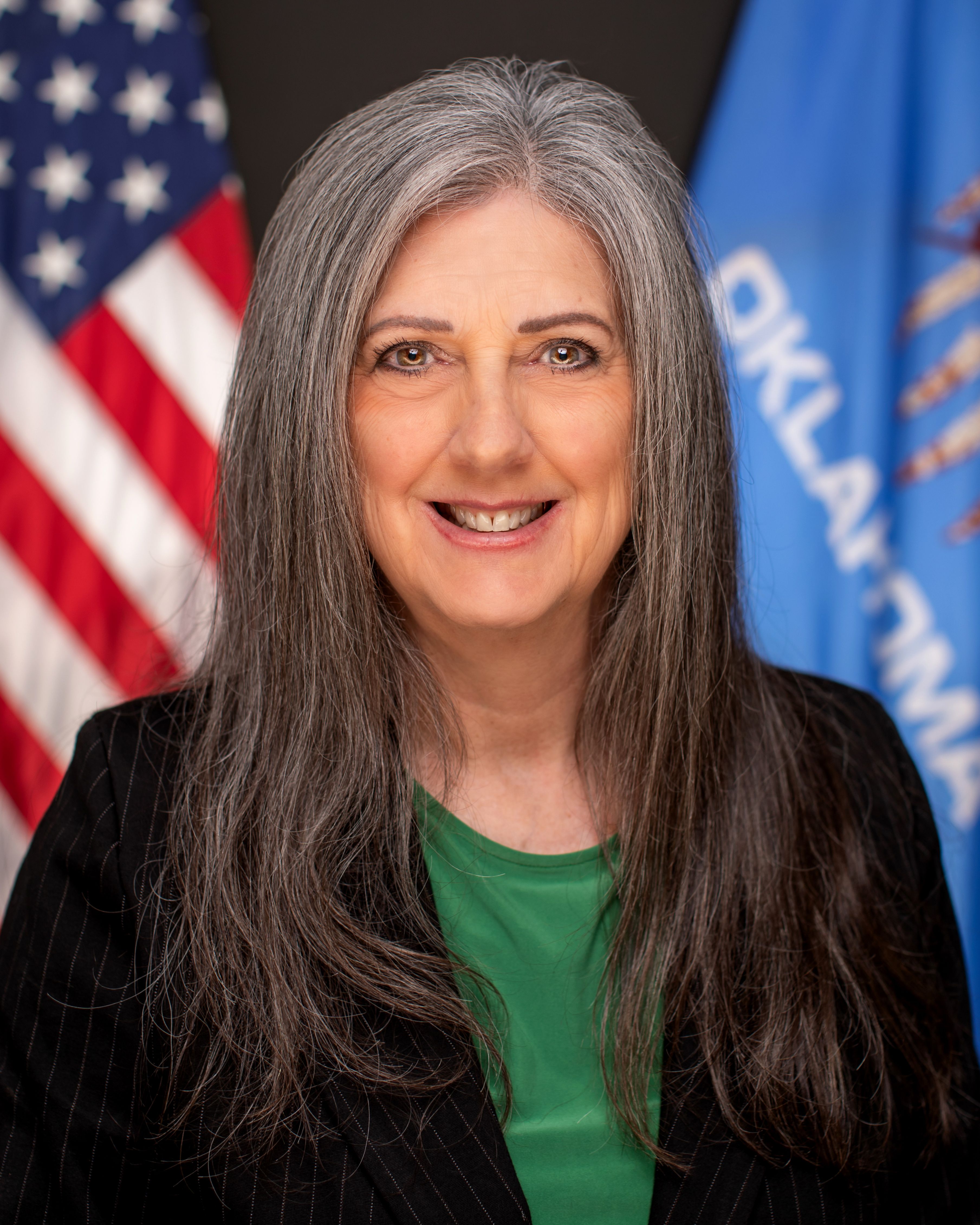
Tom Gann
Tom Gann House · District 8
R
Oppose
31% 29
Molly Jenkins
Molly Jenkins House · District 33
R
Oppose
33% 30
David Hardin
David Hardin House · District 86
R
Oppose
36% 28
Rick West
Rick West House · District 3
R
Oppose
37% 27
Jim Shaw
Jim Shaw House · District 32
R
Oppose
38% 29
Showing 11–20 of 20 bills

All education bills

in committee · Oklahoma · Senate Mar 5, 2026

SB 1782: Higher education; prohibiting the governing boards of certain institutions of higher education from establishing and maintaining tenure plans after certain date. Effective date.

SB 1782 prohibits the governing boards of eight specific Oklahoma public higher education institutions (including the University of Oklahoma, Oklahoma State University, and community colleges) from creating new tenure systems for faculty hired after a certain date. The bill requires these institutions to electronically submit annual data on faculty numbers, tenure status, and graduate assistants to the Oklahoma State Regents by July 31 each year. The State Regents must then forward this data to state officials by September 1. This policy change directly affects faculty employment contracts and tenure eligibility at these institutions, with no new tenure plans permitted for hires after the effective date.
Sub-Topics Higher Education
in committee · Oklahoma · House Feb 18, 2026

HB 3551: Higher education; resident tuition; illegal immigrants; SAVE Program verification; effective date

HB 3551 changes Oklahoma's rules for in-state college tuition eligibility. It requires students without legal U.S. immigration status to provide proof of an active application with U.S. Citizenship and Immigration Services (via the federal SAVE Program) to qualify for resident tuition, rather than using a simple affidavit. This directly affects undocumented students or those with pending immigration status seeking in-state tuition at Oklahoma public colleges. The bill also clarifies that students who already qualified for resident tuition before the 2006-2007 academic year remain exempt from these new verification rules. The law takes effect July 1, 2026.
in committee · Oklahoma · House Feb 3, 2026

HB 3598: Higher education; prohibiting illegal immigrants from receiving scholarships, financial aid, or resident tuition; effective date; emergency.

HB 3598 prohibits undocumented immigrant students in Oklahoma from receiving in-state tuition rates or state-funded scholarships and financial aid at public colleges and universities. The bill amends Oklahoma law to remove the existing pathway allowing such students to qualify for resident tuition by meeting high school residency requirements and submitting immigration applications, and explicitly bans them from these benefits. An exception applies to students enrolled in a degree program during the 2006-2007 school year or earlier who previously received resident tuition under prior rules. The law takes effect on July 1, 2026.
in committee · Oklahoma · House Feb 3, 2026

HJR 1037: Oklahoma Constitution; freeze, suspension, or withholding of state-appropriated funds for institutions of higher education; ballot title; filing.

HJR 1037 proposes a constitutional amendment allowing Oklahoma's Legislature to freeze, suspend, or withhold up to 100% of state funds for any public institution within the Oklahoma State System of Higher Education. It would require a joint resolution approved by majority votes in both the Senate and House, with gubernatorial approval, to implement such funding changes for up to two years. The bill specifies that this action would only affect state-appropriated funds - not federal money, private donations, tuition, or other nonstate revenue - and would automatically end after two years unless extended by a new resolution. The amendment is currently pending voter approval after legislative passage.
Sub-Topics Higher Education
in committee · Oklahoma · Senate Feb 3, 2026

SB 1247: Higher education; removing exception allowing certain students to be eligible for resident tuition and certain other benefits. Effective date. Emergency.

SB 1247 removes an exception that previously allowed certain non-lawfully present students to qualify for resident tuition and financial aid at Oklahoma public colleges and universities. It amends Oklahoma law to prohibit these students from receiving resident tuition rates or postsecondary education benefits, aligning with the broader rule that non-lawfully present individuals are ineligible for such benefits. The bill repeals the outdated Section 3242 of the Oklahoma Statutes and takes effect on July 1, 2026. This change directly affects undocumented students seeking in-state tuition rates at Oklahoma's public higher education institutions.
in committee · Oklahoma · House Feb 4, 2025

HB 1747: Higher education; Oklahoma Higher Learning Access Program; no award for reenrollment in failed courses; effective date; emergency.

HB 1747 prohibits Oklahoma Higher Learning Access Program (OK-HLAP) funding for students reenrolling in courses they previously failed. The bill directly affects Oklahoma students receiving OK-HLAP financial aid, which covers tuition at public or private higher education institutions. Key provisions ban payments for retaking failed courses starting in the 2025-2026 academic year, while maintaining existing rules on funding for remedial courses (banned since 2018-2019) and other eligibility limits. The bill takes effect July 1, 2025, and was declared an emergency.
in committee · Oklahoma · Senate Feb 3, 2026

SB 1249: Higher education; prohibiting certain institutions of higher education from using state funds for certain purposes. Effective date. Emergency.

SB 1249 prohibits Oklahoma public universities from using state funds to provide scholarships, grants, tuition aid, or discounted tuition to foreign national students starting in the 2026-2027 academic year. This directly affects public higher education institutions in Oklahoma's state system (like the University of Oklahoma and Oklahoma State University) and foreign national students who would have received state-funded financial aid. The bill requires the Oklahoma State Regents for Higher Education to create implementing rules and takes effect on July 1, 2026. The law does not change eligibility for federal aid or private scholarships.
in committee · Oklahoma · House Feb 11, 2025

HB 1184: Education; Oklahoma Higher Learning Access Program; minimum ACT score; effective date.

HB 1184 raises the minimum ACT composite score required for Oklahoma high school graduates to qualify for the state's Higher Learning Access Program tuition assistance from 21 to 22. This change directly affects students seeking first-time enrollment in Oklahoma public or private colleges, as they must now achieve a 22 ACT score (along with maintaining a 2.5 GPA and meeting other existing eligibility criteria). The bill amends Section 2603 of Oklahoma law to update this academic threshold for program participation. It does not alter other requirements like residency, financial need, or graduation timeframe. The policy change applies to students graduating within the previous three years.
in committee · Oklahoma · Senate Feb 4, 2025

SB 591: Education; creating the Free to Speak Act; prohibiting public school and certain institution of higher learning employees from addressing certain students in certain manner. Effective date. Emergency.

SB 591, the "Free to Speak Act," requires public school and state university employees in Oklahoma to use a student's legal name and pronouns matching the sex listed on their original birth certificate - without parental permission for minors. It prohibits job penalties for employees who refuse to use preferred names/pronouns inconsistent with birth certificate sex and protects students from disciplinary action for refusing to use such names/pronouns. The bill defines "sex" strictly as biological sex based on genetics and physiology as recorded on a birth certificate. Violations allow affected employees or students to seek legal remedies, including damages, within two years.
Sub-Topics Higher Education
in committee · Oklahoma · House Feb 17, 2025

HB 2831: Schools; requiring students who attend a physical school location to also attend concurrent enrollment classes at a physical school location; effective date; emergency.

HB 2831 requires high school students attending physical campuses to take concurrent enrollment college courses in person at their school building or a nearby college campus, eliminating virtual attendance for these classes. It applies directly to Oklahoma public and charter school students enrolled in concurrent enrollment programs. The bill also maintains tuition waivers for eligible seniors (18 credits) and juniors (9 credits) and mandates annual reports tracking participation and outcomes. Key provisions focus on requiring physical attendance for concurrent enrollment classes while preserving existing financial support and reporting requirements. This policy change specifically alters how students access college courses while enrolled in traditional high schools.
Showing 11 to 20 of 20 bills