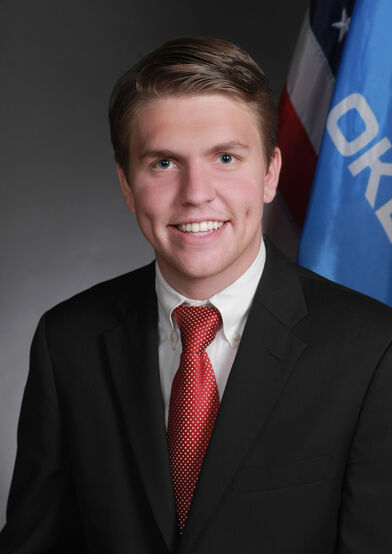
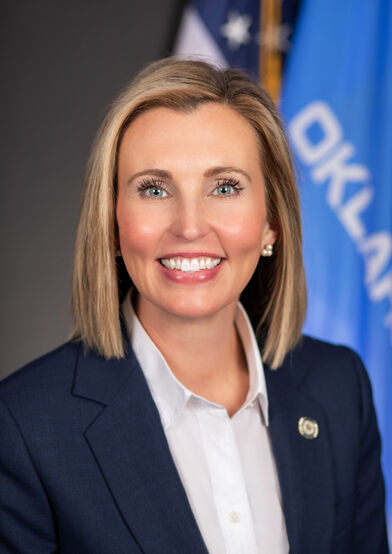
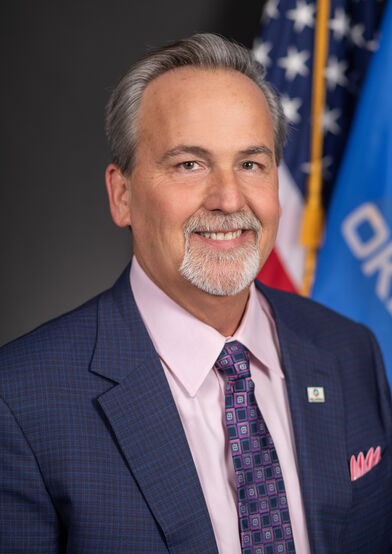
HB 2371 proposes funding pilot programs for school districts to use AI software on school-issued devices as a safety tool, without direct student surveillance. The bill requires the Oklahoma Department of Mental Health and Substance Abuse Services and the State Department of Education to fund AI programs that analyze device activity (via existing web filtering systems) to assess student safety, readiness to learn, and well-being, using data already collected for compliance. It creates a dedicated revolving fund in the state treasury to cover costs like software, equipment, and personnel for these voluntary pilot programs, which can be implemented at the district or school level. The bill would take effect November 1, 2025, if passed.
HB 1281 creates a $35,000 signing bonus program for classroom teachers and school counselors returning to Oklahoma public schools after leaving the state. To qualify, applicants must have at least three years of prior experience, not have worked in an Oklahoma public school in the past year, and agree to teach full-time for five years. The State Department of Education verifies eligibility before payment and requires annual confirmation of continued employment. If false information is found or the five-year commitment isn't met, participants must repay the bonus or a pro-rated portion. The bonus is excluded from salary calculations for retirement benefits and minimum pay schedules.
HB 1305 regulates student athletes' name, image, and likeness (NIL) activities at Oklahoma postsecondary institutions. It requires schools to provide mandatory financial literacy education (either a 5-hour workshop or a credit course covering budgeting, taxes, contracts, and debt management) before athletes can engage in NIL deals, and prohibits institutions from charging athletes for related financial services. The bill also restricts athletes from signing NIL contracts that conflict with school policies or harm the institution's reputation, and bans promotional content in financial education. These requirements apply directly to student athletes participating in intercollegiate sports at Oklahoma colleges and universities.
HB 1983 requires Oklahoma public schools to teach media literacy and cybersecurity to students in sixth, seventh, or eighth grade starting in the 2027-2028 school year. It mandates a half-unit course covering specific topics like identifying online scams, fake news, deepfakes, password security, and protecting personal information. The State Department of Education must develop curriculum standards, guidelines, teacher training, and accessible resources to support this instruction, including accommodations for English learners and students with disabilities. The bill becomes effective November 1, 2025, with implementation beginning for incoming sixth graders in 2027.
HB 1094 requires Oklahoma public schools to teach about the "atrocities of communism" to students in grades six through twelve starting in the 2026-2027 school year. The State Department of Education must develop grade-appropriate curriculum resources and integrate this content into existing courses, covering causes, human costs, societal impacts, and comparisons with U.S. constitutional principles. Teachers must receive professional development on this topic, with "communism" defined to include historical regimes like the Soviet Union and Cambodia. The law takes effect July 1, 2026.