Issue · Criminal Justice

Criminal Justice

Every criminal justice bill, vote, and legislator stance in Oklahoma, automatically classified by Maddy, our AI policy reader.

Total bills
309
2026 Regular Session
Top supporter
Aletia Timmons
76% support rate
Top opponent
Brian Guthrie
24% support rate
Ranked legislators
10
5 support · 5 oppose
Key legislators

Who's moving criminal justice in Oklahoma

Legislators moving criminal justice in Oklahoma
Legislator Party Stance Support rate Votes
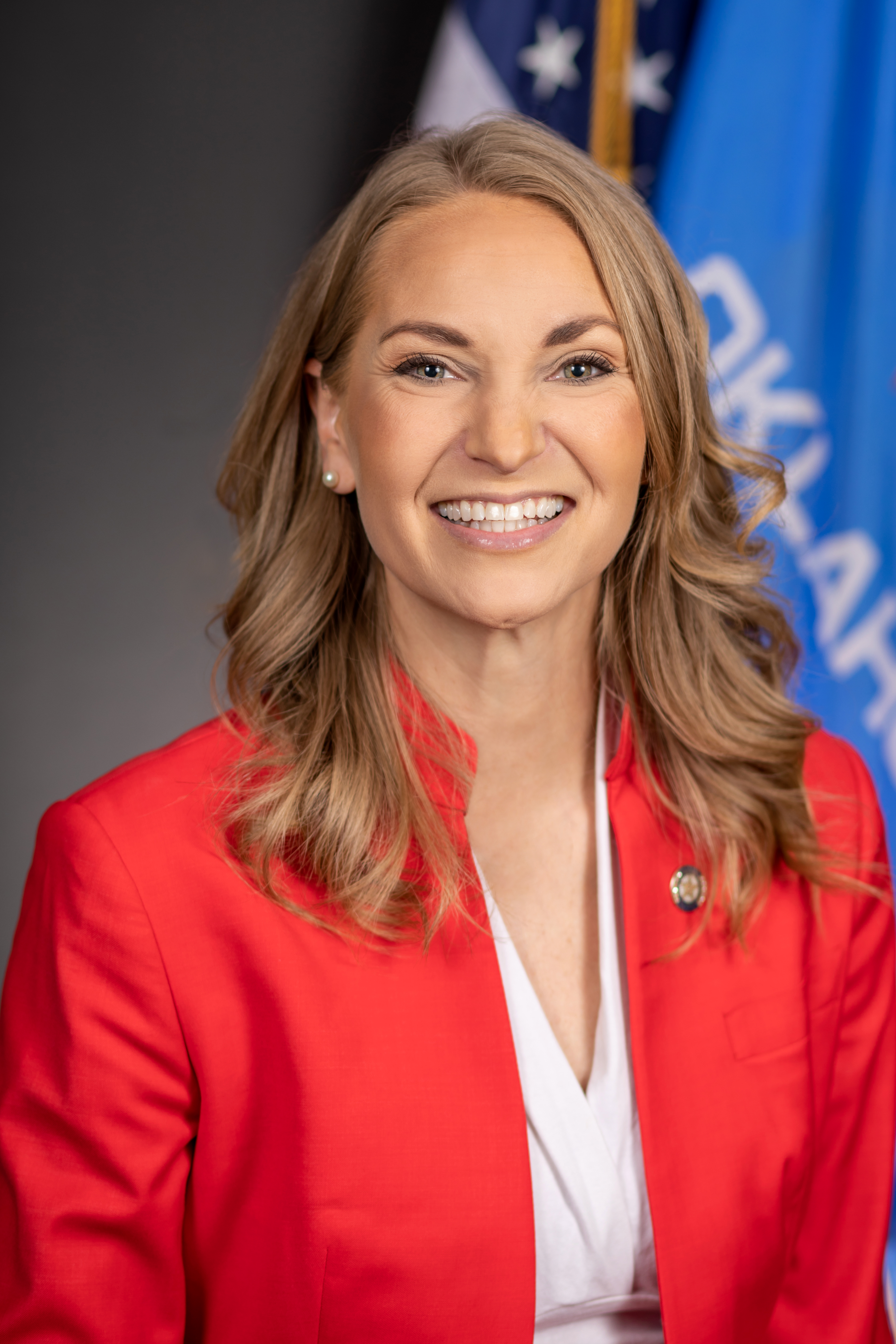
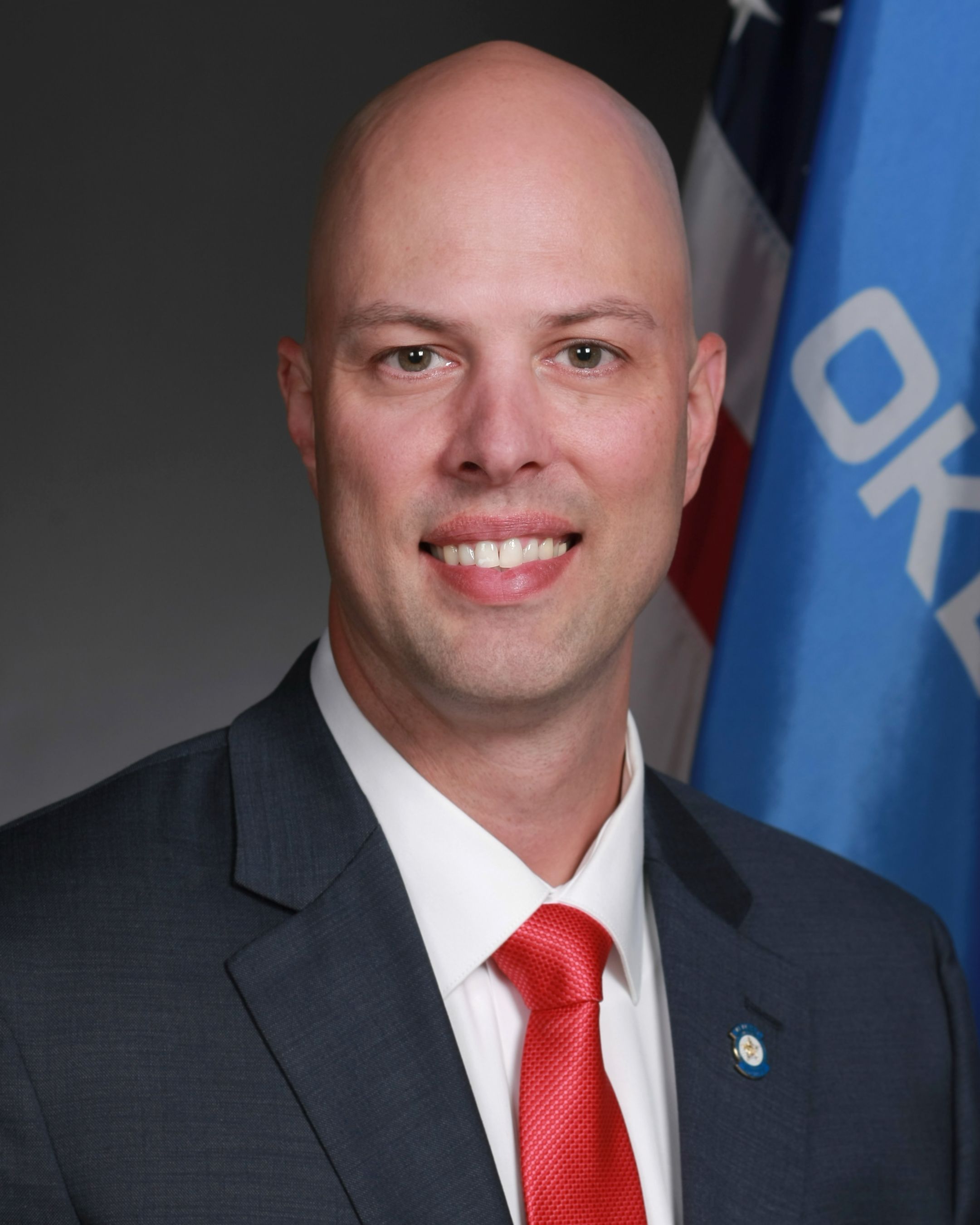
Aletia Timmons
Aletia Timmons House · District 97
D
Support
76% 91
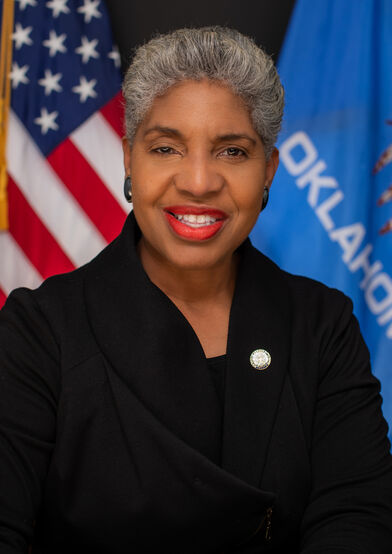
Regina Goodwin
Regina Goodwin Senate · District 11
D
Support
73% 225
Michael Brooks
Michael Brooks Senate · District 44
D
Support
72% 274
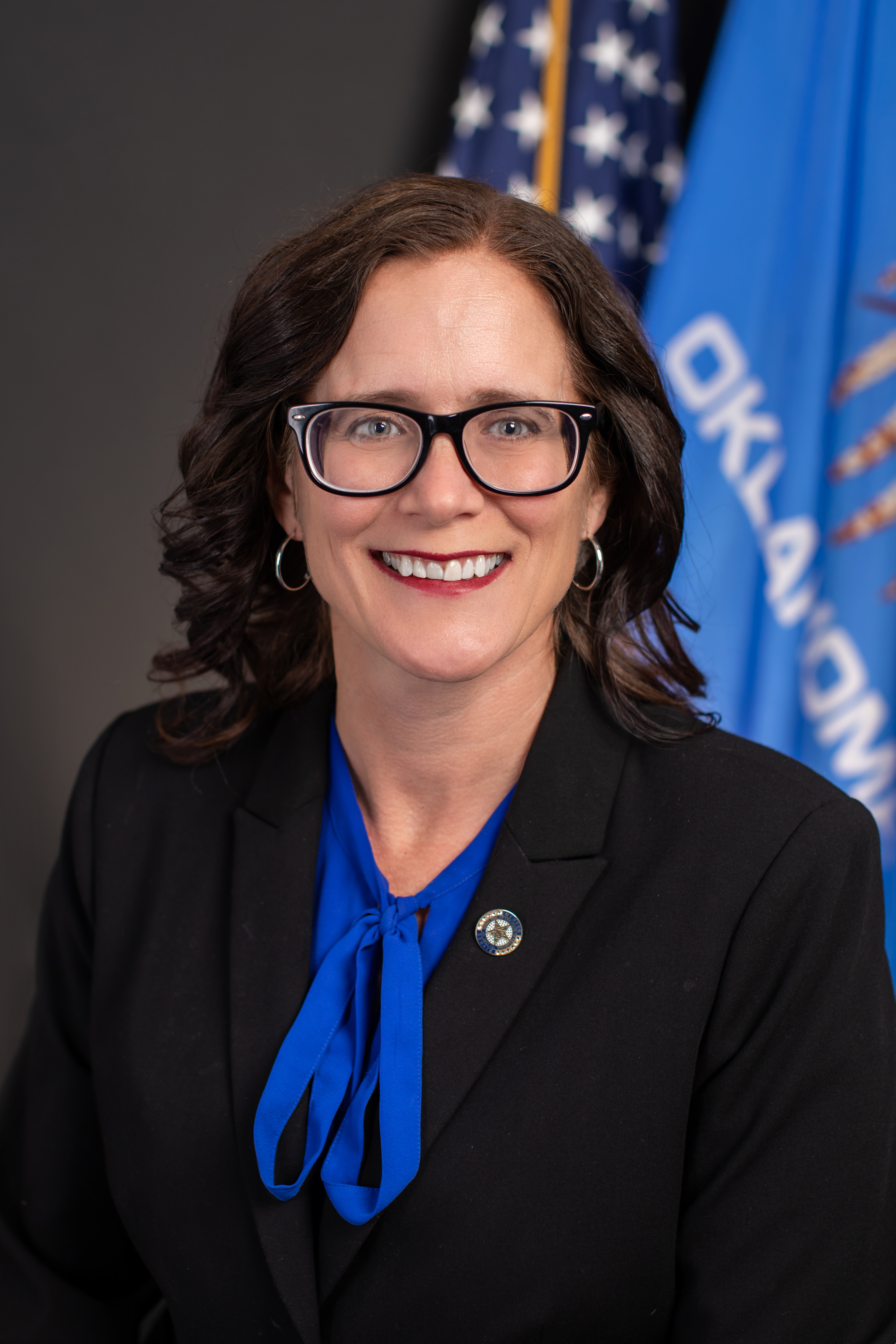
Carri Hicks
Carri Hicks Senate · District 40
D
Support
71% 184
Julia Kirt
Julia Kirt Senate · District 30
D
Support
70% 174
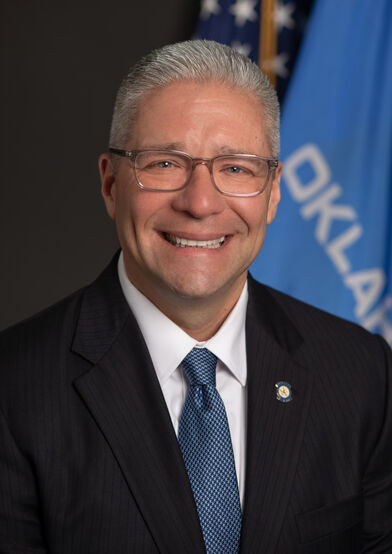
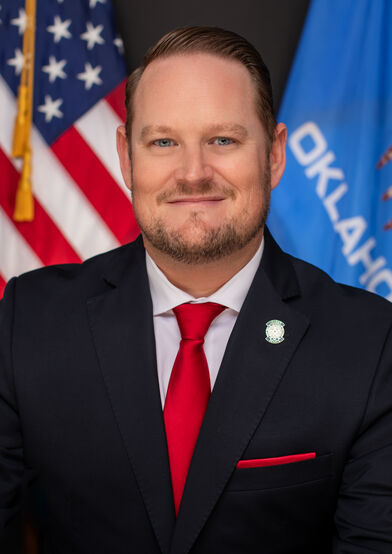
Brian Guthrie
Brian Guthrie Senate · District 25
R
Oppose
24% 158
Lisa Standridge
Lisa Standridge Senate · District 15
R
Oppose
26% 220
Jay Steagall
Jay Steagall House · District 43
R
Oppose
27% 149
Julie McIntosh
Julie McIntosh Senate · District 3
R
Oppose
28% 164
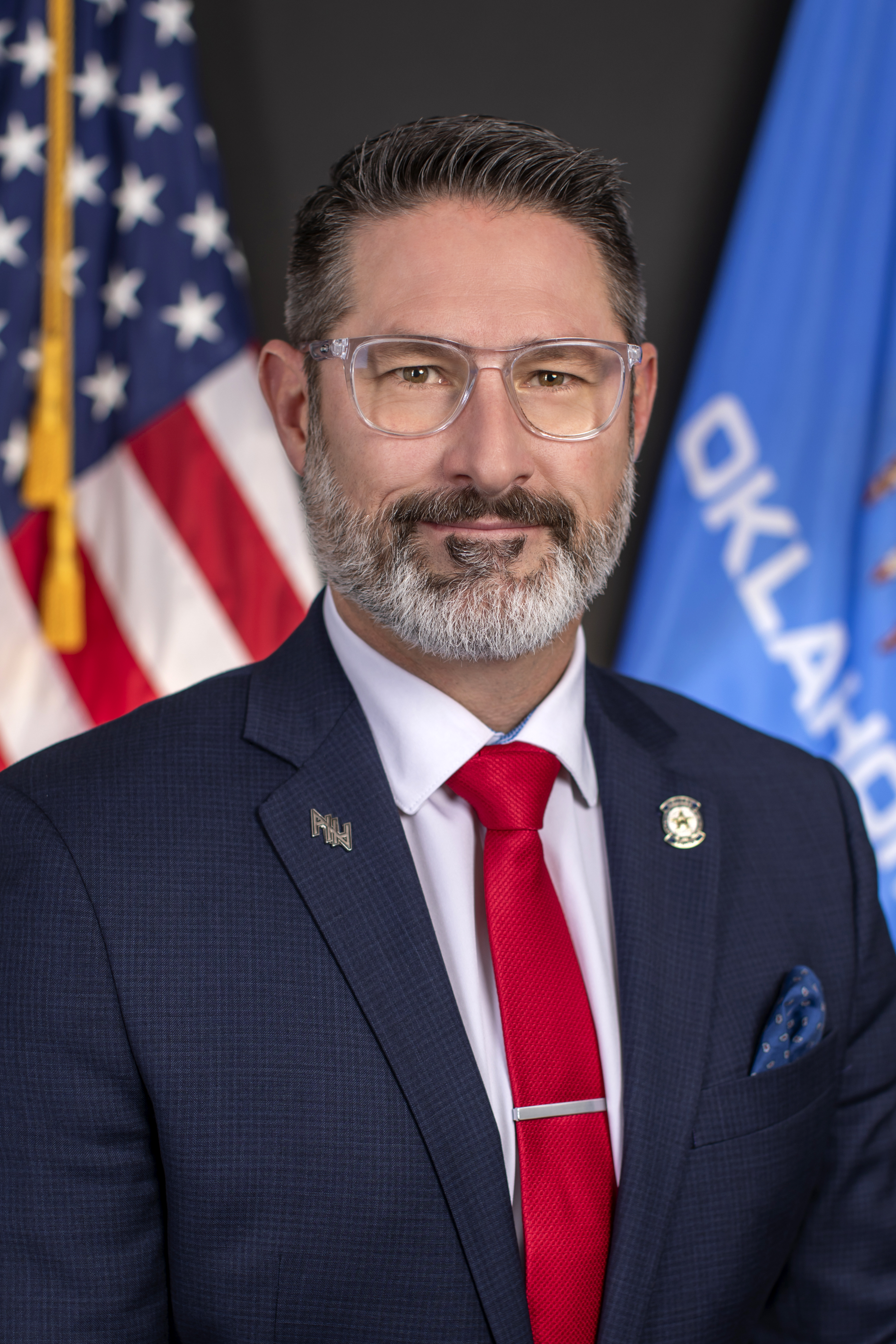
Dusty Deevers
Dusty Deevers Senate · District 32
R
Oppose
28% 156
Showing 231–240 of 309 bills

All criminal justice bills

vetoed · Oklahoma · House May 29, 2025

HB 2131: Criminal procedure; procedures for advising grand juries; transcripts; hearings; witnesses; effective date.

HB 2131 amends Oklahoma's criminal procedure laws to clarify rules for grand jury operations and handling of transcripts. It restricts who can advise grand juries (prohibiting district attorneys from advising during investigations of their own office), requires sealed court proceedings for transcript requests, and bans using grand jury transcripts in unrelated civil cases. The bill directly affects defense attorneys, prosecutors, witnesses, and judges by limiting transcript access to only criminal proceedings related to the original grand jury investigation. Key provisions include strict penalties for unauthorized disclosure (misdemeanor or contempt) and requiring the prosecutor to be notified before any transcript is released. The law takes effect November 1, 2025.
Sub-Topics Courts
in committee · Oklahoma · Senate Mar 10, 2025

SB 461: Crimes and punishments; removing certain references related to restricted bullets and body armor. Effective date.

SB 461 repeals specific Oklahoma statutes related to "restricted bullets" and "body armor" from the legal code. It removes references to these provisions from the Oklahoma Sentencing Modernization Act (21 O.S. Supp. 2024, Section 20H) and the RICO Act (22 O.S. Supp. 2024, Section 1402), including the prior inclusion of "second or subsequent conviction for committing a felony while wearing body armor" as a Class B3 offense. The bill directly affects the state’s criminal code by eliminating these specific legal references, though it does not change penalties for related conduct. This is a technical repeal of outdated or redundant statutes, not a policy change to criminal penalties. The bill’s effective date is specified but not detailed in the provided text.
Sub-Topics Sentencing
signed · Oklahoma · House May 27, 2025

HB 1886: Human trafficking; creating the Oklahoma Human Trafficking Justice for Victims and Advocacy Act of 2025; increasing penalties for certain unlawful act; codification; effective date.

HB 1886, now law after governor approval on May 23, 2025, updates Oklahoma's human trafficking sentencing by reducing the maximum sentence for certain trafficking acts from 25 to 10 years. The bill specifically targets traffickers convicted under these provisions, directly affecting individuals facing criminal prosecution for human trafficking offenses. Key changes include codifying this reduced sentence range into state law and adjusting related penalty structures. The amendment process clarified the exact sentencing term, replacing "twenty-five (25)" with "ten (10)" in the law. This represents a concrete policy shift in sentencing severity for specific trafficking crimes.
in committee · Oklahoma · Senate Feb 26, 2026

SB 1372: Probation; permitting certain offenders to receive completion and education credits under certain circumstances. Effective date.

SB 1372 allows eligible Oklahoma probationers to shorten their probation term by earning credits. Offenders who complete their first year of probation or earn a high school diploma, college degree, or vocational certificate can receive credits equal to 1/4 of their probation length. Supervising agencies must track these credits, notify offenders annually about their projected termination date, and inform courts when credits qualify for early termination. The bill excludes those convicted of certain serious offenses (like specific sex crimes or violent felonies) and allows offenders who complete education after probation ends to file a court motion for credit reduction.
in committee · Oklahoma · House Feb 4, 2025

HB 1174: Human trafficking; creating the Human Trafficking Awareness and Education Program; codification; effective date.

HB 1174 would establish a Human Trafficking Awareness and Education Program to be administered by the Oklahoma Bureau. The program would provide educational materials and training to schools, community organizations, and law enforcement to prevent trafficking and support victims. It directly affects public safety efforts by increasing community knowledge and response capabilities across Oklahoma. The bill is currently under review by the Appropriations and Budget committee.
in committee · Oklahoma · Senate Feb 3, 2026

SB 1321: Searches and seizures; prohibiting certain court orders; providing exceptions; requiring notice; specifying factors for determining punitive damages. Effective date.

SB 1321 prohibits Oklahoma government entities from seeking or using "reverse-keyword" court orders (requiring disclosure of people who searched specific terms online) or "reverse-location" court orders (requiring location data of unspecified devices). It also bans government requests for such data without a court order, with strict penalties for violations. Individuals whose data is improperly collected can sue for $1,000 per violation or actual damages, plus punitive damages based on factors like the number of people affected and whether constitutional rights were targeted. The bill makes illegally obtained data inadmissible in court and allows victims to recover attorney fees. It takes effect November 1, 2026.
Sub-Topics Courts Tags Civil Liberties
died · Oklahoma · House Feb 5, 2025

HB 1109: Truancy; prohibiting detention for failure to attend school; waiver of certain fines; requiring written notice for certain absences; requiring school districts to create and adopt progressive truancy intervention plans; prohibiting suspension; permitting report of absences to court under certain circumstances; effective date; emergency.

HB 1109 prohibits detaining students for school absences and bans suspensions for truancy. It requires school districts to create progressive intervention plans (with three tiers) and send written notices to families for absences, replacing punitive measures. The bill also limits court involvement by allowing reports of absences only under specific circumstances and prevents placing students in institutional facilities solely for truancy. These changes directly affect students, schools, and juvenile courts in Oklahoma, shifting focus from punishment to support systems for attendance issues.
vetoed · Oklahoma · Senate May 5, 2025

SB 37: Oklahoma State Bureau of Investigation; authorizing response to certain events; creating revolving fund. Effective date.

SB 37 would have authorized the Oklahoma State Bureau of Investigation (OSBI) to independently respond to mass casualty events caused by violent crime (defined as incidents injuring ≥3 people, requiring unusual emergency resources, and causing a sudden surge of casualties) without needing a local law enforcement request. It created a "Mass Casualty Revolving Fund" in the state treasury to cover OSBI costs for these investigations, funded by state appropriations, federal grants, or other designated sources. The fund would allow ongoing, unrestricted spending for OSBI's role in coordinating with local agencies during such events. This bill was vetoed by the Governor on May 5, 2025, so it did not become law.
in committee · Oklahoma · House Feb 4, 2025

HB 2250: Criminal procedure; creating the Oklahoma Pretrial Discovery Modernization Act of 2025; effective date.

HB 2250, titled the "Oklahoma Pretrial Discovery Modernization Act of 2025," creates a new procedural framework for pretrial discovery in criminal cases. The bill establishes a standalone act (not codified in Oklahoma Statutes) that takes effect on November 1, 2025. It directly affects criminal defendants, prosecutors, and courts by modernizing how pretrial evidence is exchanged. The bill text provided does not specify detailed mechanisms or provisions beyond naming the act and its effective date.
in committee · Oklahoma · Senate Feb 4, 2025

SB 973: Debt collection; prohibiting certain contract with private debt collectors. Effective date.

SB 973 prohibits Oklahoma courts and state entities from contracting with private debt collectors to collect criminal fines, fees, costs, or restitution owed by individuals. This directly affects courts, state agencies handling collections, and private debt collection companies that previously managed these payments. The bill’s key provision, added to Oklahoma law, bans such contracts without altering existing court cost structures for criminal cases. It repeals related sections of law (19 O.S. §§ 514.4-514.5) that governed court cost compliance programs. The law aims to keep collection of criminal justice debts within public systems, not private contractors.
Sub-Topics Courts Victims' Rights
Showing 231 to 240 of 309 bills
Previous 1 23 24 25 31 Next