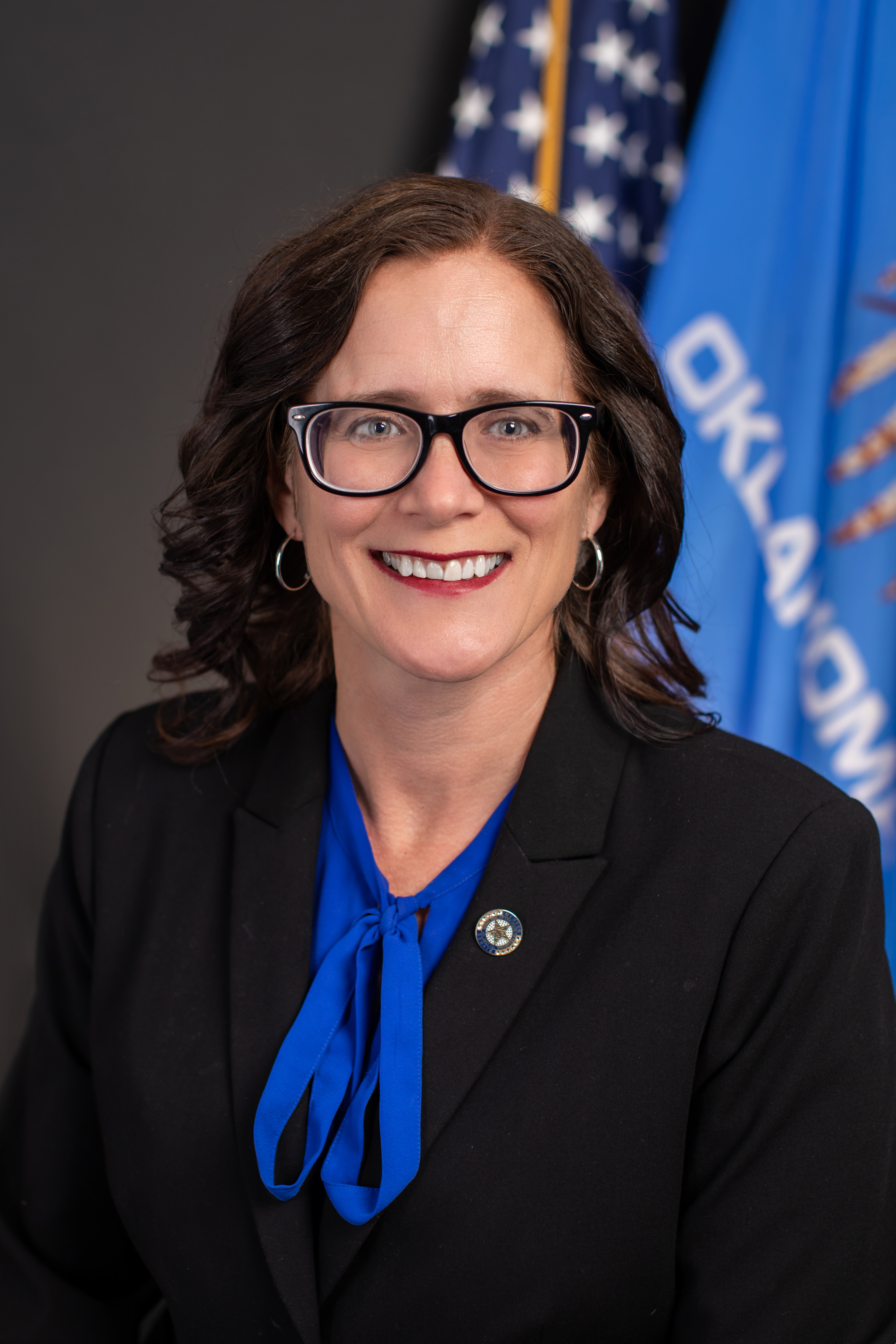
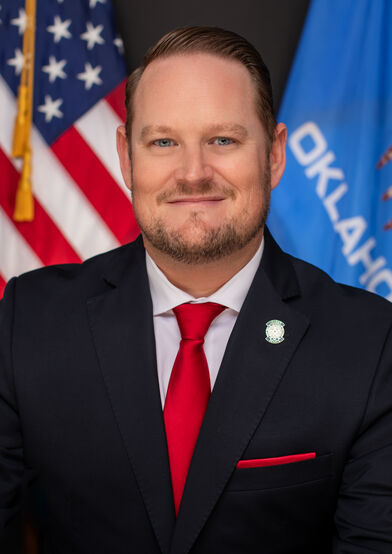
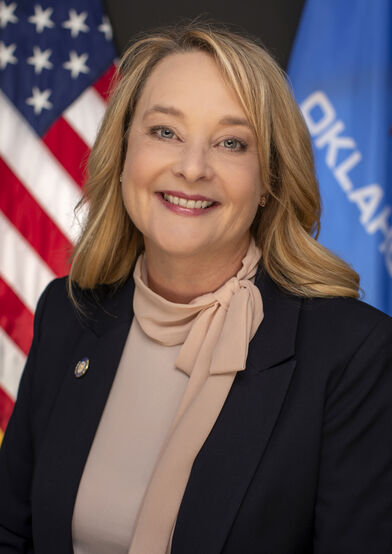
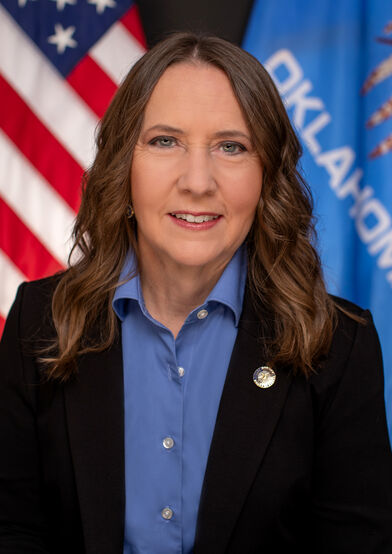
Key legislators
Who's moving criminal justice in Oklahoma
Showing 41–44 of 44
bills
All criminal justice bills
HB 1579 sets salary limits for juvenile bureau staff in Oklahoma counties, capping directors' pay at 90% of Class A county officer salaries and other employees at 85%. It requires juvenile court judges (with county commissioner oversight) to establish expense limits for bureau operations and mandates that all bureau costs - salaries and expenses - be funded through county budgets or dedicated sales taxes. The bill also specifies that county excise boards must appropriate funds for bureau staffing and operations, consistent with other county officer budgets. Additionally, it clarifies that district attorneys represent juvenile bureaus in lawsuits, unless conflicts arise. The law became effective November 1, 2025.
HB 2422 modifies Oklahoma's parole rules for certain sex offenders convicted of crimes involving minors under 13. It requires a mental health evaluation to determine if hormonal treatment (medroxyprogesterone acetate) could reduce reoffending risk, making voluntary hormonal treatment a condition for parole eligibility. Parolees must continue this treatment while incarcerated, and failure to comply - along with new offenses - revokes parole eligibility. The bill applies only to offenders convicted on or after its effective date and amends existing parole statutes (57 O.S. §§ 332.21, 512) to implement these requirements.
HB 2735 modifies Oklahoma's licensing rules for professions by establishing clear criteria for denying licenses based on criminal history. It allows denial only if a conviction "substantially relates" to the job duties and "poses a reasonable threat" to public safety, requiring licensing boards to consider factors like offense severity, time passed, and rehabilitation evidence. The bill explicitly prohibits denial for sealed/expunged records, most convictions older than five years (except for domestic violence, sex offenses, or specific felonies), and vague "good character" claims. Applicants can request pre-licensing determinations about their criminal history within 60-90 days, and boards must provide written notice of denial reasons with appeal options. This directly affects individuals seeking state licenses who have criminal records.
HB 1593 prevents prosecutors from disqualifying peace officers as witnesses based on unproven misconduct allegations. It allows officers who are placed on a "Do Not Call" list for alleged misconduct to dispute the claim by filing a petition with the Attorney General. An administrative law judge will hold a hearing to review the allegations, and if the misconduct claim isn't proven by a preponderance of evidence, the officer must be reinstated as credible. Courts must then consider the judge's findings when evaluating the officer's testimony. This bill directly affects peace officers and changes how misconduct allegations impact their ability to testify in criminal cases.