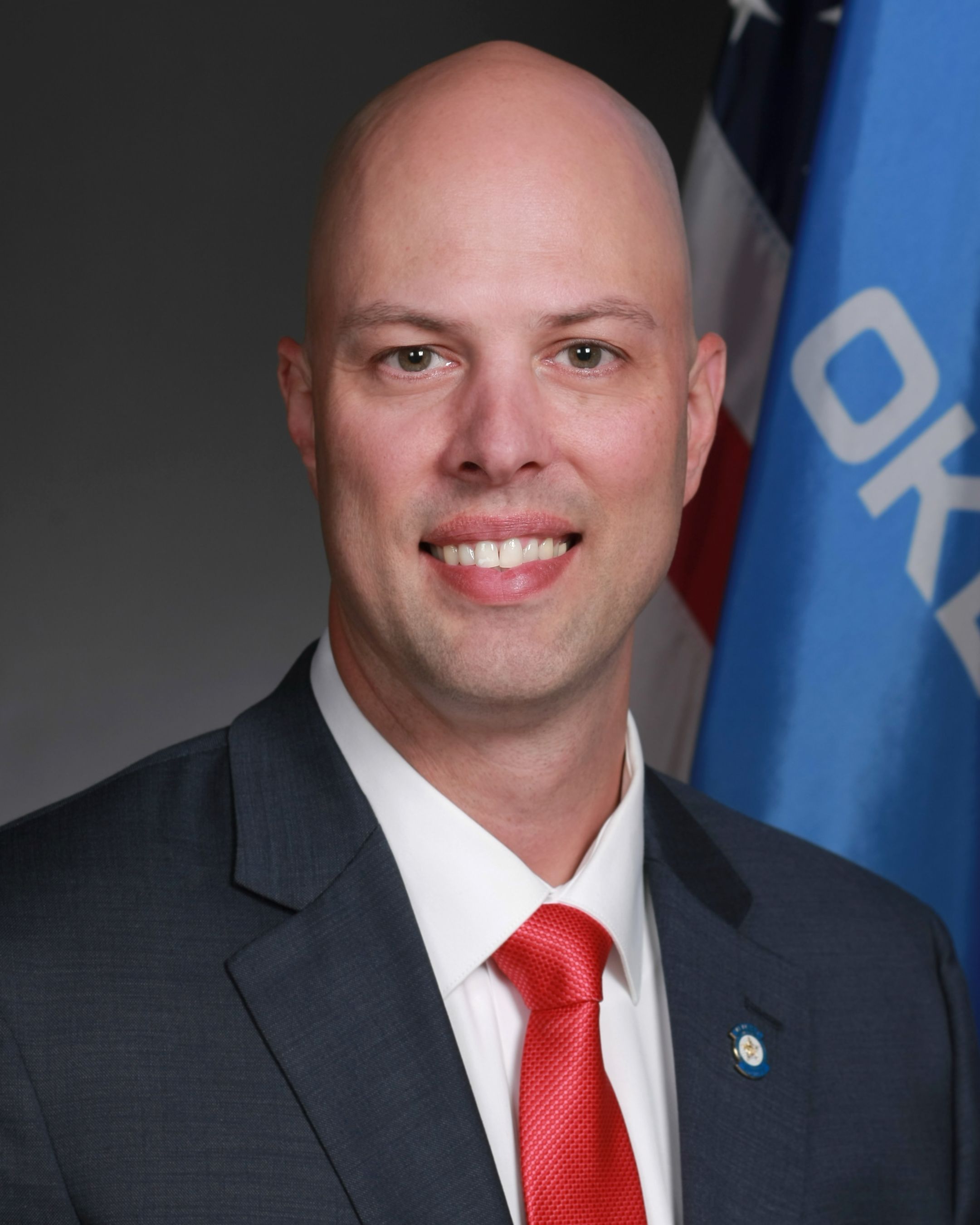
HB 1002 requires Oklahoma law enforcement agencies to file specific notifications with victims of stalking, rather than serving them directly. This bill directly affects stalking victims by changing how they receive official updates about their cases. The key provision amends existing procedures to mandate that law enforcement "file" these notifications with victims, streamlining the process while ensuring victims are informed. The bill is currently moving through committee with a "Do Pass" recommendation after committee amendments.
HB 3287 requires all Oklahoma hospitals and healthcare facilities to post clear signage in visible and private areas, stating: "If you are a victim of domestic abuse or human trafficking for commercial sex, please notify the staff of this facility immediately." The bill mandates facilities to create protocols for reporting suspected abuse or trafficking cases to law enforcement before a patient's discharge or release, while also including procedures to protect victims from contact with alleged perpetrators during this process. The State Department of Health must establish rules for signage size, placement, and format. This law takes effect on November 1, 2026, directly impacting healthcare providers and supporting victims of domestic violence and human trafficking.
HB 3763 requires all active, CLEET-certified law enforcement officers in Oklahoma to complete additional mandatory training annually. Full-time officers must complete 25 hours yearly, including 2 hours on mental health and 2 hours on domestic violence/intimate partner violence protocols. Reserve officers must complete 8 hours yearly, including 1 hour on each topic. The bill also mandates training on sexual assault response protocols (already required since 2019) and specifies certification suspension for non-compliance after written notice. It becomes effective November 1, 2026.
HB 1990 amends Oklahoma's firearm law (21 O.S. 21, Section 1283) to clarify restrictions on firearm possession. It specifically allows individuals with a full pardon for nonviolent felonies to regain firearm rights, while maintaining prohibitions for: convicted felons (without pardon), people on felony probation, delinquent children/youthful offenders (for 10 years after adjudication), and illegal aliens. The bill also defines key terms like "altered toy pistol" and "sawed-off shotgun" to clarify enforcement. This amendment takes effect November 1, 2025, and directly affects restricted groups by defining their firearm access under state law.
HB 2131 amends Oklahoma's criminal procedure laws to clarify rules for grand jury operations and handling of transcripts. It restricts who can advise grand juries (prohibiting district attorneys from advising during investigations of their own office), requires sealed court proceedings for transcript requests, and bans using grand jury transcripts in unrelated civil cases. The bill directly affects defense attorneys, prosecutors, witnesses, and judges by limiting transcript access to only criminal proceedings related to the original grand jury investigation. Key provisions include strict penalties for unauthorized disclosure (misdemeanor or contempt) and requiring the prosecutor to be notified before any transcript is released. The law takes effect November 1, 2025.
HB 1563 allows criminal defendants to subpoena specific records from law enforcement and businesses in Oklahoma. It permits defendants to request body camera footage, traffic videos, incident reports, or security camera recordings covering the time of the alleged crime from businesses or commercial entities. The bill includes safeguards: law enforcement can object if records involve juvenile confidentiality, ongoing investigations, or informant privacy, and requires strict fee limits ($0.25/page for copies). This directly affects criminal defendants seeking evidence, while balancing access with protections for sensitive information.
SB 770 expands Oklahoma's Commission for Rehabilitation Services from 3 to 7 members by adding new appointment slots: one member appointed by the Senate President Pro Tempore (2-year term), two by the Governor (1-year terms), and one by the House Speaker (3-year term). The bill updates the commission's membership structure, removes outdated language, and specifies appointment timelines and term durations. This directly affects the commission's composition and its ability to oversee state rehabilitation services for Oklahomans with disabilities. The changes aim to provide broader representation on the commission while maintaining its role in setting policies for rehabilitation programs.
SB 574 expands the types of opioid-related projects eligible for state grant funding by allowing the Attorney General to allocate funds toward new prevention, treatment, and recovery initiatives. It directly affects state agencies and community organizations receiving opioid grants by broadening allowable uses beyond current restrictions. The bill authorizes the Attorney General to use grant funds for specific, previously ineligible activities, such as community-based support programs. This policy change modifies how opioid grant funds are distributed without altering the grant application process.
SB 870, the Accountability, Transparency, and Protection for Exploited Youth Act, requires staff, contractors, and volunteers in Oklahoma juvenile facilities (including state-run, county, and private group homes) to immediately report any suspected sexual misconduct or coercive relationships involving juveniles to both their supervisor and the newly created Independent Oversight Committee (IOC). The bill establishes the IOC to independently investigate such reports, separate from facility internal reviews, and mandates that facilities provide annual staff training on prevention and reporting. Failure to report can result in a felony charge (up to 2 years in prison and $5,000 fine), while negligent facilities or contractors could face civil liability and fines of up to $50,000 per victim. The law also amends confidentiality rules to allow certain authorized disclosures related to these investigations.
HB 1273 creates an alternative batterers' intervention program option for defendants convicted of domestic abuse in Oklahoma. It requires courts to mandate participation in either a standard 52-week batterers' intervention program or a shorter 26-week certified alternative program. The alternative programs, approved by the Attorney General, must prioritize victim safety and include specific strategies to stop violence and hold offenders accountable. This change directly affects individuals convicted of domestic abuse under Oklahoma law and the domestic violence organizations providing these certified programs. The bill amends sentencing requirements to allow courts to order completion of the alternative program instead of the standard 52-week option.