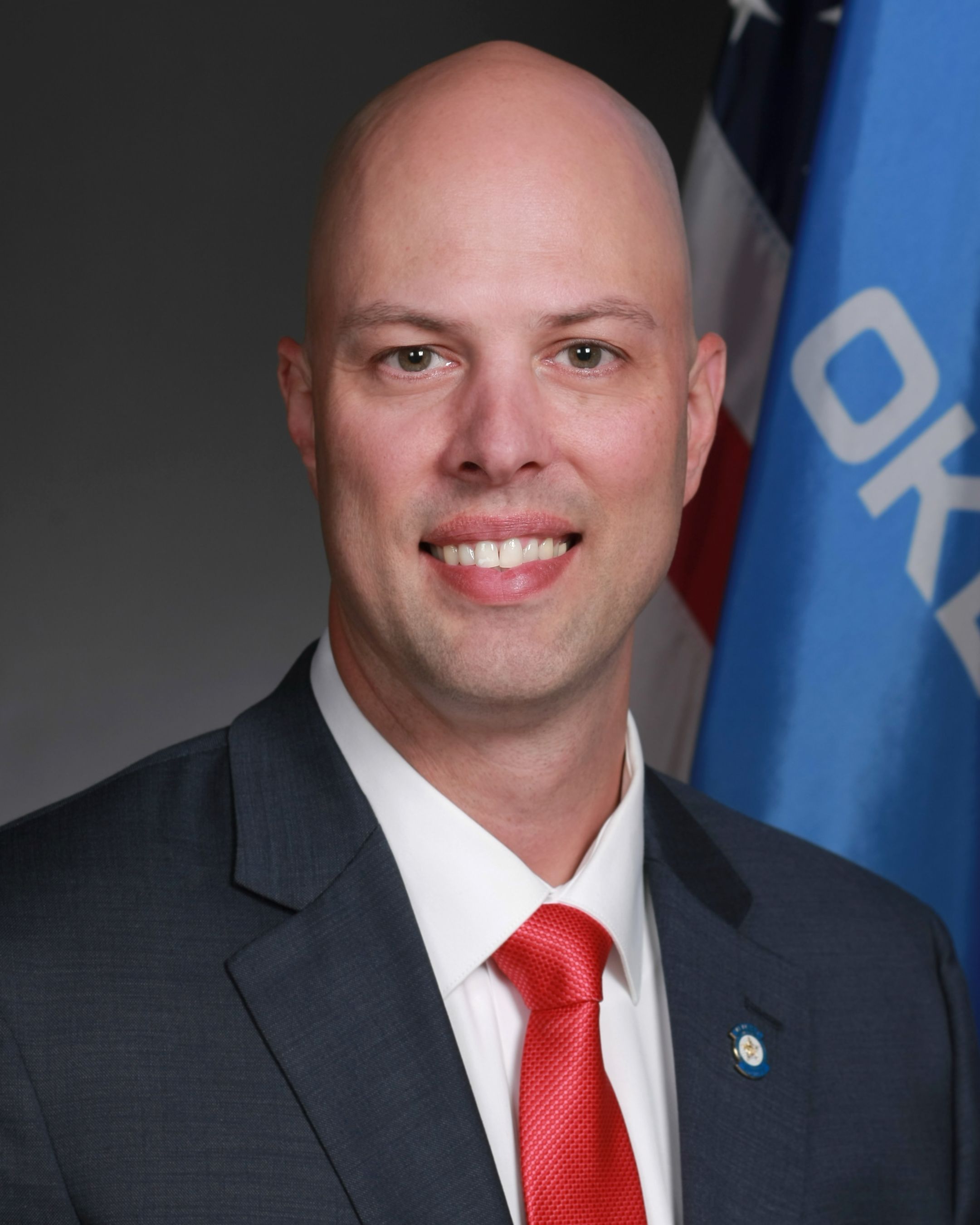
SB 2011 expands Oklahoma's Class B5 criminal offense classification by adding 37 specific crimes, including domestic violence against intimate partners, assaults on police officers, stalking, and certain animal cruelty acts. This change affects individuals convicted of these offenses by subjecting them to the more severe penalties associated with Class B5, a higher-level criminal classification. The bill also updates statutory references to ensure consistency in the law. Introduced in the 2026 Oklahoma Legislature, it was referred to the Judiciary Committee.
SB 1238 amends Oklahoma law to elevate certain domestic abuse offenses to a more serious criminal classification (Class B5). Specifically, it adds "second or subsequent conviction for domestic abuse committed in the presence of a child" as a qualifying offense for Class B5, which carries harsher penalties than lower classifications. This change directly affects individuals convicted of repeat domestic violence offenses where children witnessed the abuse. The bill updates statutory references to reflect this modification but does not create new penalties or alter sentencing ranges.
HB 4142 amends Oklahoma's criminal code to clarify and expand offenses involving explosives, incendiary devices, and simulated bombs. It adds new felony charges for threatening to use such devices (Section 1767.1, subsection 7), manufacturing/selling them with intent to harm (subsection 4), and possessing them during felonies (subsection 9). The bill also updates definitions, explicitly including "simulated bombs" (devices designed to look like explosives but are inoperable) and clarifying terms like "explosive" and "incendiary device." It excludes harmless juvenile activities involving firecrackers or "stink bombs" from these provisions. The changes take effect on November 1, 2026.
HB 4108 amends Oklahoma law to explicitly include airport operational areas - such as runways, taxiways, maintenance zones, and fuel storage areas - under the definition of "critical infrastructure facility." This means unauthorized entry or damage to these areas will now be treated as criminal offenses, subject to fines (up to $100,000) or imprisonment (up to 10 years), similar to protections for power plants or water facilities. The bill does not fund new infrastructure but expands legal safeguards for airport safety and operations. It directly affects airport operators, security personnel, and anyone entering airport grounds without authorization. The law takes effect November 1, 2026.
HB 1163 lowers the weight threshold for "aggravated trafficking" of marijuana in Oklahoma from 1,000 pounds to 25 pounds. This means possessing 25 pounds or more of marijuana would now trigger the more severe aggravated trafficking penalties, rather than the standard trafficking penalties. The bill directly affects individuals convicted of large-scale marijuana offenses, potentially increasing penalties for lower quantities. It amends Oklahoma’s Illegal Drugs Act (63 O.S. 2021, Section 420) by changing the weight specifications in subsection C(1)(b) for marijuana trafficking offenses. The change applies to all marijuana possession cases meeting this new threshold, not just medical marijuana.
HB 1168 makes it a felony to knowingly deliver or possess abortion-inducing drugs (like misoprostol or methotrexate) with the intent of causing an abortion, punishable by up to $100,000 in fines or 10 years in prison. It directly affects individuals who provide such drugs for non-exceptional purposes, including off-label use for abortion. Key exceptions include pharmacists, manufacturers, and distributors acting within lawful medical practices, as well as preventive contraception used as directed by manufacturers. The law does not restrict treatment for ectopic pregnancies, miscarriages, or medical uses of drugs like chemotherapy.
HB 3086 requires Oklahoma's State Board of Corrections to approve the Director's authority over prisoners' discipline and work programs. It specifically creates a Construction Division within the Department of Corrections for inmate work crews and prohibits inmates in this program from forming unions, striking, or engaging in collective bargaining. The bill also mandates Board approval for the Director to appoint staff, accept funding, or establish policies governing prison operations. These changes primarily affect prisoners working in the Construction Division and correctional staff managing prison programs.
HB 3497 expands when the state or local governments can appeal pretrial rulings in criminal cases. It specifically adds two new grounds for appeals: 1) decisions suppressing evidence in felony cases where appellate review serves justice, and 2) rulings suppressing evidence in cases involving specific drug or trafficking laws (Sections 13.1 of Title 21 and 571 of Title 57). The bill prioritizes these appeals and requires courts to pause proceedings while appeals are pending. This directly affects prosecutors and municipalities seeking to challenge evidence suppression before trial. The changes take effect November 1, 2026.
HB 3264 requires individuals convicted of 24 specific serious crimes - including first-degree murder, child sexual abuse, human trafficking, domestic abuse by strangulation, and discharging a firearm into occupied buildings - to serve at least 85% of their prison sentence before becoming eligible for parole. The bill eliminates earned credits or other sentence reductions that would allow offenders to serve less than 85% of their sentence. It applies to all convictions for these listed offenses, including attempts, conspiracies, or solicitations. The law would take effect on November 1, 2026, if passed.
SB 1460 expands Oklahoma's felony classification system by adding 35 specific offenses to Class B5 felonies, including repeat domestic violence convictions (like second assaults on intimate partners), stalking, and second or subsequent "peeping tom" offenses (using hidden cameras to capture private areas without consent). It also creates new felony penalties for gang-related activities, assaults on police officers or police animals, and certain animal cruelty crimes like dogfighting. The bill updates sex offender registration requirements to include these newly classified offenses. These changes apply to individuals convicted of these specific acts, effective January 1, 2026.