

Maddy summaryThis Senate resolution formally recognizes the week of May 3 through May 9, 2026, as National Small Business Week to honor the contributions of small business owners and entrepreneurs across the United States. The measure expresses appreciation for the economic role these businesses play and acknowledges the resilience of their owners and employees. By adopting this designation, the Senate aims to celebrate the entrepreneurial spirit within every community without imposing any new laws or regulations.
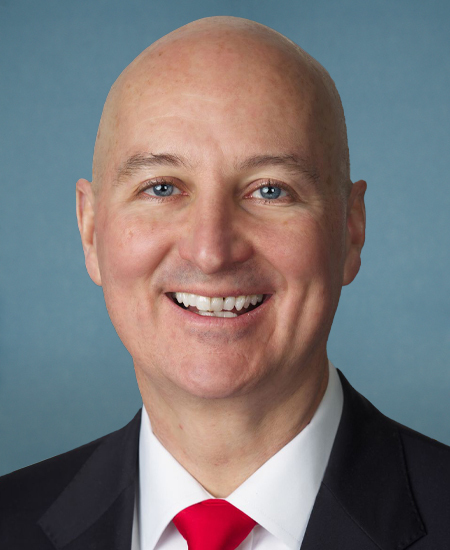
Sen. Pete Ricketts
Sponsored bills
Maddy summaryThis Senate resolution formally welcomes King Charles III and Queen Camilla to the United States for a state visit where the King will address a joint session of Congress. The document highlights the long-standing diplomatic and security partnership between the two nations, noting shared values and cooperation on issues like defense and technology. It also marks the occasion as the first time a British monarch has addressed Congress since 1991, coinciding with the 250th anniversary of American independence.
Maddy summaryThis resolution designates April 2026 as Financial Literacy Month to raise public awareness about the importance of personal finance education. The bill calls on the federal government, states, schools, businesses, and other organizations to hold programs and activities during this month. It is based on data showing high levels of financial stress, debt, and a lack of financial education among many Americans.
Maddy summaryThis bill amends existing U.S. laws to require only foreign-owned companies registered in the United States to report beneficial ownership information, while exempting domestic U.S. entities from these filing requirements. Under the new rules, foreign corporations must disclose details about their owners, but any beneficial owners who are U.S. persons will not be required to provide this data. Additionally, the Financial Crimes Enforcement Network is directed to delete all previously collected ownership information related to U.S. persons while retaining records for non-U.S. individuals. The legislation effectively narrows the scope of the current reporting system to focus exclusively on foreign entities operating within the United States.
Maddy summaryThe Sound Science Act of 2026 modifies the Toxic Substances Control Act to update how the Environmental Protection Agency evaluates and regulates chemical substances. The bill requires the use of technically feasible testing methods and mandates that risk assessments consider existing safety standards from other federal agencies like OSHA. It also introduces stricter scientific review processes, including mandatory in-person peer reviews and a requirement to consult with industry experts when setting worker protection rules. Additionally, the legislation ensures that agencies must consider relevant international test guidelines and provides specific timelines for interagency feedback on draft evaluations. These changes aim to standardize scientific practices and improve the consistency of federal chemical risk management.
Maddy summaryThe Terrorism Risk Insurance Program Reauthorization Act of 2026 extends the federal terrorism insurance program through 2034, ensuring continued government support for insurance companies facing large losses from terrorist attacks. The bill also updates the schedule for recouping federal funds, shifting the timeline for when insurers must repay taxpayer money to later dates ranging from 2029 to 2036. These changes directly affect insurance carriers and policyholders by maintaining the program's availability for a longer period and adjusting the financial obligations tied to it.
Maddy summaryThe Protecting American Taxpayers Act aims to reduce government waste and fraud by requiring stricter oversight of federal programs and extending legal deadlines for prosecuting pandemic-related violations. It mandates that child care payments be based on recorded attendance rather than enrollment alone and requires agencies to report when health care spending or provider numbers spike by more than 100 percent in specific areas. The bill also prohibits small businesses from receiving federal loans or grants if an owner or key employee has been convicted of financial misconduct, while simultaneously banning foreign entities controlled by agents from certain listed countries from receiving U.S. financial assistance. Additionally, the legislation seeks to increase transparency by requiring agencies to publicly report on improper payments and other transaction agreements, and it expands whistleblower protections for employees of defense and non-defense contractors who report waste or misconduct.
Maddy summaryThe Marijuana Impact on Medicaid Act of 2026 requires the Department of Health and Human Services to gather data on federal and state Medicaid spending for hospital and emergency room treatments related to marijuana use. This report will specifically focus on costs for inpatient care, outpatient services, and emergency room visits, without distinguishing between emergency and non-emergency situations. Once the data is collected, the Secretary must submit a detailed report to Congress and the public within one year of the law's enactment, including any recommendations for future legislative or administrative actions.
Maddy summaryThis resolution expresses the Senate's view that the President should prioritize securing the release of specific individuals detained by the People's Republic of China. It names Pastor Jin Mingri, Pastor Gao Quanfu and his wife Pang Yu, Dr. Gulshan Abbas, and Jimmy Lai, who are reportedly held for reasons related to peaceful expression or religion. The resolution calls for the President to raise these cases during future engagements with Chinese President Xi Jinping, including an anticipated May 2026 summit. It also urges the President to seek verifiable proof of life, access to legal counsel, family communication, and medical care for these detainees.
Maddy summaryThis bill, the IGO Anti-Boycott Act, amends the existing Anti-Boycott Act of 2018 to broaden its application. It expands the scope of the original act, which prohibits U.S. persons from complying with certain boycotts fostered by foreign countries, to now also include international governmental organizations (IGOs). This means the anti-boycott provisions will apply to boycotts fostered by IGOs in the same manner they apply to those from foreign countries. Additionally, the bill mandates the President to submit an annual report to Congress and the public, listing foreign countries and IGOs that foster or impose boycotts and describing those boycotts.