

No Taxpayer Funding for Abortion and Abortion Insurance Full Disclosure Act of 2021 This bill modifies provisions relating to federal funding for, and health insurance coverage of, abortions. Specifically, the bill prohibits the use of federal funds for abortions or for health coverage that includes abortions. Such restrictions extend to the use of funds in the budget of the District of Columbia. Additionally, abortions may not be provided in a federal health care facility or by a federal employee. Historically, language has been included in annual appropriations bills for the Department of Health and Human Services (HHS) that prohibits the use of federal funds for abortions—such language is commonly referred to as the Hyde Amendment. Similar language is also frequently included in appropriations bills for other federal agencies and the District of Columbia. The bill makes these restrictions permanent and extends the restrictions to all federal funds (rather than specific agencies). The bill's restrictions regarding the use of federal funds do not apply in cases of rape, incest, or where a physical disorder, injury, or illness endangers a woman's life unless an abortion is performed. The Hyde Amendment provides the same exceptions. The bill also prohibits qualified health plans from including coverage for abortions. Currently, qualified health plans may cover abortion, but the portion of the premium attributable to abortion coverage is not eligible for subsidies.
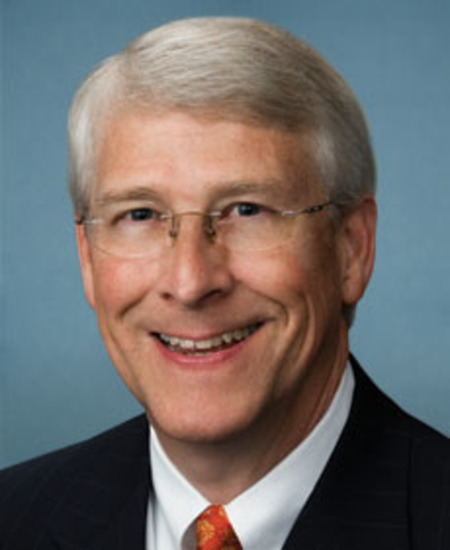
Sen. Roger F. Wicker
Sponsored bills
Protecting Individuals with Down Syndrome Act This bill creates new federal crimes related to the performance of an abortion on an unborn child who has Down syndrome. It subjects a violator to criminal penalties—a fine, a prison term of up to five years, or both. It also authorizes civil remedies, including damages and injunctive relief. A woman who undergoes such an abortion may not be prosecuted or held civilly liable.
Abortion Is Not Health Care Act of 2021 This bill prohibits a tax deduction for medical expenses relating to an abortion, with specified exceptions for rape or incest, or to protect the life or health of the mother.
Intercountry Adoption Advisory Committee Act This bill requires the Department of State to establish an intercountry adoption advisory committee to consult on and provide recommendations for improvements to intercountry adoption.
This resolution expresses the sense of the Senate that (1) clean water is a national priority, and (2) the 2020 final rule titled The Navigable Waters Protection Rule: Definition of "Waters of the United States" should not be withdrawn or vacated.
Conservation Funding Protection Act This bill requires the Department of the Interior to hold at least two region-wide oil and gas lease sales per year in the Gulf of Mexico. Each lease sale must include areas in the Central Gulf of Mexico Planning Area and the Western Gulf of Mexico Planning Area. In addition, the bill establishes deadlines for completing environmental reviews of the lease sales.
Pain-Capable Unborn Child Protection Act This bill establishes a new criminal offense for performing or attempting to perform an abortion if the probable post-fertilization age of the fetus is 20 weeks or more. A violator is subject to criminal penalties—a fine, a prison term of up to five years, or both. The bill provides exceptions for an abortion (1) that is necessary to save the life of the pregnant woman, or (2) when the pregnancy is the result of rape or incest. A physician who performs or attempts to perform an abortion under an exception must comply with specified requirements. A woman who undergoes a prohibited abortion may not be prosecuted for violating or conspiring to violate the provisions of this bill.
Accountability Through Electronic Verification Act This bill expands the E-Verify program by requiring all employers to use it and permanently reauthorizes the program. Currently, E-Verify use is voluntary for most employers, although some states mandate its use. All employers shall use E-Verify to confirm the identity and employment eligibility of all recruited, referred, or hired individuals, including current employees who were never verified under the program. Failure to use E-Verify shall create a rebuttable presumption that the employer is violating immigration law. U.S. Citizenship and Immigration Services shall generate weekly reports about individuals who have received a final nonconfirmation of employment eligibility. The Department of Homeland Security (DHS) shall use the report to enforce immigration laws. DHS shall establish a program to help certain small businesses verify employee eligibility. DHS shall also update E-Verify's design to help prevent and detect fraud and identity theft. The bill increases civil and criminal penalties for hiring unauthorized aliens. DHS shall debar repeat offenders and those criminally convicted from holding federal contracts, grants, or cooperative agreements. The Social Security Administration, Internal Revenue Service, Department of the Treasury, and DHS shall jointly establish a program to share information to help identify unauthorized aliens. The bill establishes the Employer Compliance Inspection Center within Homeland Security Investigations of U.S. Immigration and Customs Enforcement. The center's duties include processing I-9 employment eligibility verification forms and ensuring compliance with employment eligibility laws. DHS shall report to Congress on ways to simplify procedures relating to I-9 forms and on whether the I-9 process should be eliminated.
National Guard Cybersecurity Support Act This bill authorizes members of the National Guard to perform, at the request of a state and in connection with training or other duty, cybersecurity operations or missions to protect critical infrastructure.
Stop Dangerous Sanctuary Cities Act This bill prohibits a sanctuary jurisdiction from receiving grants under certain Economic Development Assistance Programs and the Community Development Block Grant Program. Under the bill, a sanctuary jurisdiction is a state or local government that has in effect a statute, policy, or practice that prohibits or restricts (1) information sharing with another government entity about an individual's immigration status, or (2) compliance with a lawfully issued Department of Homeland Security (DHS) detainer request or notification of release request. When complying with a DHS-issued detainer, a state or local government shall be deemed to be acting as an agent of DHS with all authority available to DHS officers and employees. The bill also limits the legal liability of a state or local government for complying with a detainer.