

Maddy summaryHR 7385 establishes a federal grant program to expand access to HIV prevention through PrEP (pre-exposure prophylaxis) for uninsured individuals at high risk of HIV infection. The bill authorizes $400 million annually (2027-2031) to fund grants for eligible entities like clinics, community organizations, and tribal governments to cover PrEP-related costs - including medication, testing, counseling, and transportation - without requiring patient payment. Priority is given to programs serving rural areas, uninsured populations, or high-risk demographic groups, with grantees required to contribute 10% of program costs (except for certain health centers). The program also mandates a "PrEP Pass" card system to streamline access and requires annual reports tracking usage by race, gender, age, and location to measure impact on HIV prevention disparities.
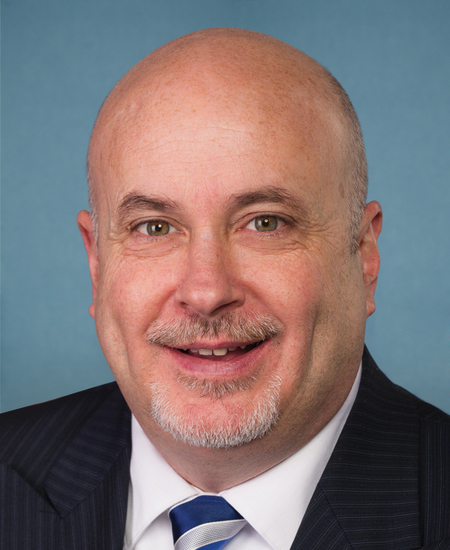
Rep. Mark Pocan
Sponsored bills
Maddy summaryHR 7375, the End Prison Gerrymandering Act, changes how incarcerated individuals are counted in the U.S. Census starting with the 2030 census. It requires the Census Bureau to count people in prison at their last known residence before incarceration, rather than at the prison location. This directly affects incarcerated individuals and their home communities, ensuring these communities are accurately represented in congressional redistricting. States must then use this home address data when drawing congressional districts, preventing prison populations from artificially inflating representation in rural areas where prisons are often located.
Maddy summaryHR 7335 establishes comprehensive humanitarian standards for individuals held in U.S. Immigration and Customs Enforcement (ICE) and U.S. Customs and Border Protection (CBP) custody. The bill requires facilities to provide immediate health screenings within 12 hours (6 hours for high-risk individuals like children, pregnant people, or those with medical conditions), ensure access to adequate water, sanitation, food (with 2,000+ calories daily for adults), and age-appropriate shelter. It mandates specific facility standards including separate housing for males and females, accessible accommodations for people with disabilities, daily outdoor access for those detained over 48 hours, and proper medical equipment and personnel on-site. The bill also requires regular inspections, staff training on humanitarian protocols, and public reporting of sexual abuse complaints. These standards directly affect all individuals detained by ICE or CBP, with special protections for vulnerable groups like children, pregnant people, and those with medical needs.
Maddy summaryHR 7281, the Justice for Shireen Act, requires the FBI and State Department to submit a public report within 30 days of enactment. The report must identify those responsible for journalist Shireen Abu Akleh’s death, detail any U.S. defense materials, funds, or services involved, and include relevant unredacted documents. It mandates the report be unclassified and published online simultaneously for public access. This bill directly affects federal agencies by imposing specific reporting obligations, with no direct impact on citizens or changes to existing laws. The focus is solely on documenting the circumstances of Abu Akleh’s death through a mandated government review.
Maddy summaryHJRES 144 is a congressional disapproval resolution targeting a specific rule issued by the Department of Veterans Affairs (VA) on December 31, 2025, which addressed "Reproductive Health Services" (90 Fed. Reg. 61310). This resolution directs Congress to disapprove the VA rule under Chapter 8 of Title 5, U.S. Code, meaning the rule would have no legal effect if passed. The bill directly affects the VA's implementation of reproductive health services for veterans, as it seeks to nullify the agency's existing policy. This is a procedural measure, not a substantive policy change, aimed solely at blocking the VA's rule through congressional action.
Maddy summaryThe Prison Libraries Act of 2026 establishes a federal grant program to fund library services in state and territorial correctional facilities, directly benefiting incarcerated individuals. It requires grantees (states/territories) to submit plans demonstrating need, including demographic data on prison populations, and prohibits using funds for non-library purposes like food or facility maintenance. Grant funds must support library services such as digital access, educational programming (including job training and post-secondary curriculum), literacy initiatives, and partnerships with public libraries. The program authorizes $10 million annually from 2026-2031, prioritizes measurable outcomes like increased literacy and post-release employment opportunities, and mandates free access to all library resources for incarcerated people.
Maddy summaryHR 7271, the Evan Anzoo Memorial Act, requires the Comptroller General to produce a report investigating deaths linked to USAID service cuts. The bill mandates a one-year report estimating 2025 deaths and five-year future deaths due to USAID stop-work orders, plus an assessment of whether specific individuals (like Evan Anzoo, 5, South Sudan, who died after losing HIV treatment) died because of lost USAID services. It also requires an interim update within 180 days and a list of other verified deaths tied to these service disruptions. The act does not change USAID policy but directs a factual review of impacts from prior USAID service reductions.
Maddy summaryHR 7238 establishes a Commission to investigate historical discrimination against LGBTQ+ service members in the military, including policies that led to discharges and denied benefits. The Commission will gather testimonies from affected veterans and servicemembers, study impacts on mental health, benefits access, and force readiness, and recommend remedies like record corrections and compensation. This bill directly affects LGBTQ+ veterans and current service members who faced discharge or denial of care due to their sexual orientation or gender identity. The Commission must submit a final report to Congress within one year, outlining findings and proposed actions.
Maddy summaryHCONRES 68 would require the President to remove U.S. military forces from Venezuela unless Congress has explicitly authorized their use through a declaration of war or a specific law. This applies to any U.S. Armed Forces currently stationed in Venezuela without such authorization. The resolution is based on the War Powers Resolution, which mandates congressional oversight of military deployments. It directs the immediate withdrawal of unapproved forces without adding new time limits or conditions.
Maddy summaryHRES 375 is a symbolic resolution designating May 2025 as "Renewable Fuels Month" to recognize renewable fuels' role in reducing carbon emissions, lowering consumer fuel prices, supporting rural economies, and decreasing reliance on foreign energy sources. The resolution expresses the House's support for this designation without creating new laws or funding. It highlights renewable fuels' economic contributions (e.g., jobs, GDP impact) and environmental benefits as context for the recognition, but does not alter existing policies. As a non-binding resolution, it has no direct legal effect on consumers, industries, or government programs.