

Maddy summaryThe Aid Accountability Act of 2025 amends foreign aid laws to impose strict penalties for violations. It requires federal employees who knowingly violate aid rules to be terminated permanently, pay restitution for illegally allocated funds, and face a lifetime ban from federal employment. Non-federal recipients (like grantee organizations) who violate these rules are barred from future federal funding. The Secretary of State must make final violation determinations, report violations to Congress within 60 days - including details on who violated the rules and how to prevent recurrence - and submit these reports under the Congressional Review Act.
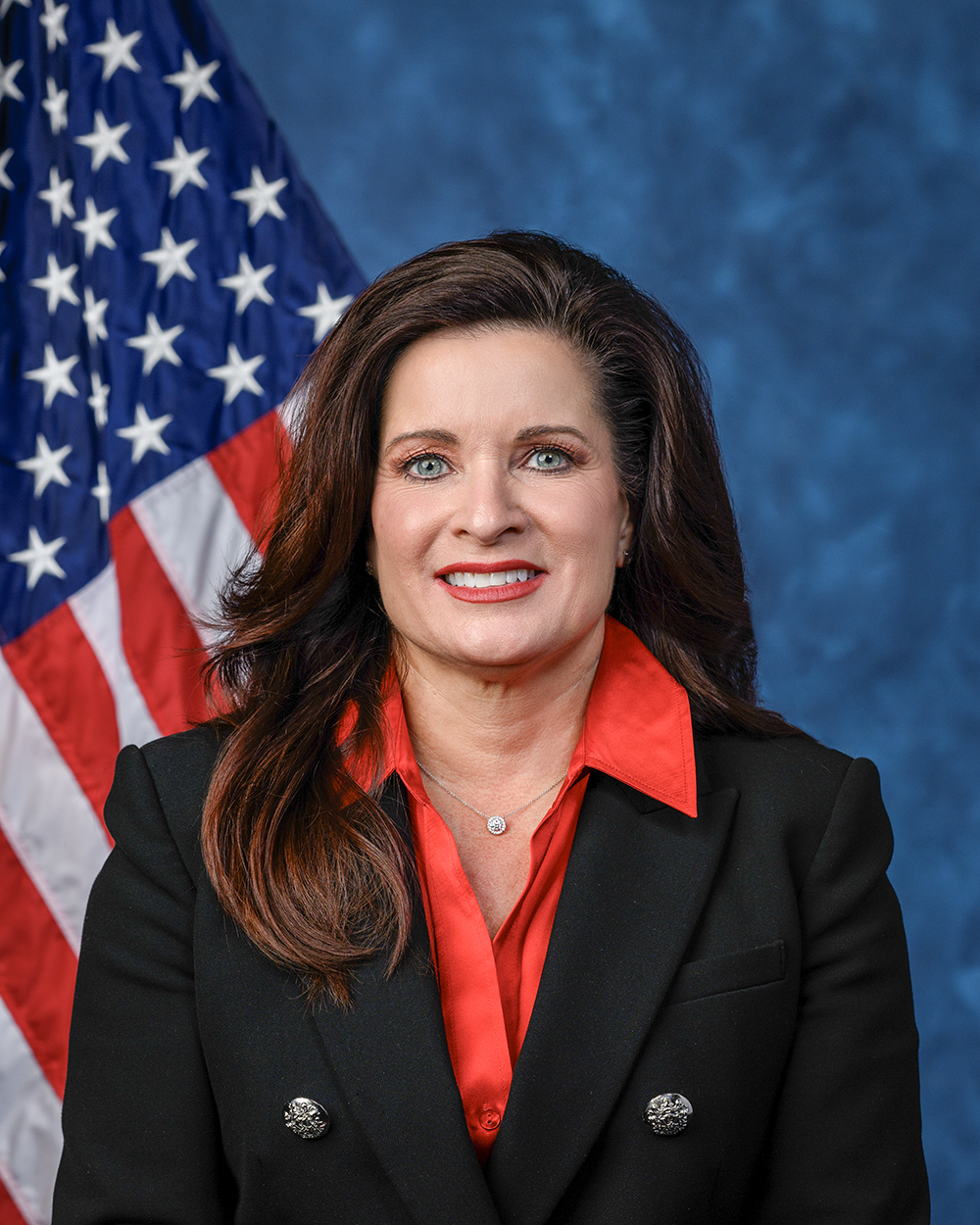
Rep. Sheri Biggs
Sponsored bills
Maddy summaryThis bill amends immigration law to expand mandatory detention for non-citizen immigrants convicted of specific property crimes. It adds trespassing, vandalism, and arson to the list of offenses that trigger detention under Section 236(c) of the Immigration and Nationality Act, alongside burglary and serious bodily injury. Non-citizen immigrants convicted of these crimes would now face automatic detention without bond, rather than potentially being released pending removal proceedings. The key change modifies existing detention criteria to include these three property crimes as grounds for mandatory immigration detention.
Maddy summaryHRES 295 is a resolution expressing congressional support for the President's use of the Alien Enemies Act to remove members of Tren de Aragua (designated as a Foreign Terrorist Organization) from the United States. It references the deportation of noncitizens to El Salvador under a prior agreement and affirms the President's authority to detain or deport foreign terrorists. The resolution does not create new laws but endorses specific security actions taken under existing legal authority. It directly relates to the removal of Tren de Aragua members and their transfer to El Salvador's detention facility.
Maddy summaryThe One Door to Work Act amends the Workforce Innovation and Opportunity Act to allow states (or local areas/consortia within states) to apply for 5-year consolidated grants. This enables them to waive certain federal workforce program requirements (like specific training rules) and combine funding streams to test innovative approaches for job seekers, employers, and taxpayers. The bill requires third-party evaluations comparing employment and earnings outcomes of participants to non-participating groups and sets performance targets that must exceed previous benchmarks. States must report annual results and ensure at least 10% of funds cover administrative costs, with veterans, low-income individuals, and others prioritized for services.
Maddy summaryHR 2581, the Iranian Terror Prevention Act, requires the U.S. government to designate 29 specific Iranian-backed militant groups as terrorist organizations within 90 days of the bill’s passage. The President must then decide within 60 days whether to impose sanctions on these groups, blocking their U.S. assets and transactions under existing law. The bill also mandates regular reports to Congress on these designations and sanctions, including for any new groups meeting the criteria. This law directly affects the 29 named groups (such as the Badr Organization and Houthis) and any entities controlled by Iran’s Islamic Revolutionary Guard Corps.
Maddy summaryThis bill clarifies the U.S. Coast Guard's leadership structure by formally establishing a dedicated "Secretary of the Coast Guard" position. The Secretary, appointed by the President with Senate confirmation, will directly lead the Coast Guard and receive direct reports from the Commandant, bypassing intermediate departmental layers. This change streamlines command reporting to the Secretary of Homeland Security, as the Coast Guard operates within that department. The bill does not alter Coast Guard missions or create new policies - it only formalizes existing leadership reporting lines.
Maddy summaryHR 2575 terminates specific financial authorizations related to Iran. It ends a 2023 waiver allowing funds transfer from South Korea to Qatar and all related licenses issued by the Treasury's Office of Foreign Assets Control (OFAC). The bill also prohibits the President from reissuing similar waivers or licenses that would permit the Iranian government or Iranian individuals to access certain financial accounts. This directly affects Iran's ability to access designated funds previously authorized under prior legislation. The law creates a permanent restriction on these financial arrangements without requiring new congressional approval.
Maddy summaryHR 2551, the Military Installation Retail Security Act of 2025, prohibits the U.S. Department of Defense from renewing, extending, or entering into long-term retail contracts with businesses controlled by "covered nations" (nations designated under existing law as security concerns) on military installations in the U.S. It requires retailers to disclose ownership ties to covered nations to the Committee on Foreign Investment in the U.S. (CFIUS), which must assess national security risks within 180 days. The bill allows limited waivers only if essential services for troops' welfare are unavailable elsewhere and security risks are mitigated, with strict reporting requirements. Retailers failing to disclose ownership changes or misrepresenting control face immediate contract termination. This directly affects retailers operating on military bases with potential foreign ties.
Maddy summaryThe Free Speech Fairness Act (HR 2501) would amend tax law to allow 501(c)(3) organizations, such as charities and educational nonprofits, to make political campaign statements as part of their regular activities without risking their tax-exempt status. The bill specifies that these statements must be made in the ordinary course of the organization's exempt purpose and result in only minimal additional costs. This change clarifies that routine political commentary by these groups does not violate their tax-exempt status under current rules. The provision would apply to tax years beginning after the bill's enactment.
Maddy summaryHR 2490, the "No In-State Tuition for Illegal Immigrants Act," would require states to charge non-citizens not lawfully present in the U.S. the same out-of-state tuition rate at public colleges as other non-residents, or risk losing federal education funding. Specifically, states that offer in-state tuition rates to undocumented immigrants would become ineligible for Title IV federal student aid funds under the Higher Education Act starting the year after the violation is identified. This provision directly affects public universities in states that currently provide in-state tuition to undocumented immigrants, as they would lose access to federal financial aid programs. The bill does not change state tuition laws directly but ties federal funding eligibility to compliance with the new requirement.