

Maddy summaryHR 3978, the Nuclear REFUEL Act, amends the Atomic Energy Act to exclude certain nuclear fuel reprocessing methods from the definition of a "production facility." Specifically, it exempts facilities that reprocess spent nuclear fuel without separating plutonium from other elements, or continue uranium enrichment. This change would directly affect nuclear fuel recycling companies and facilities seeking to process spent reactor fuel under streamlined regulations. The bill focuses on altering regulatory classification to potentially simplify licensing for specific recycling processes.
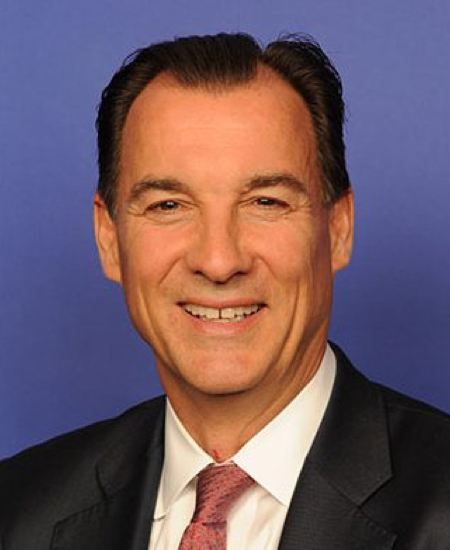
Rep. Thomas R. Suozzi
Sponsored bills
Maddy summaryThis bill creates a task force to recover unemployment benefits that were fraudulently issued and are currently held by banks or state agencies. The task force will coordinate with federal and state officials to develop guidelines for identifying these improper payments and establishing a process to return the funds to the government. Additionally, the legislation extends the time limit for prosecuting fraud related to pandemic unemployment benefits from the standard period to ten years after the violation occurred. These changes aim to ensure that misused funds are reclaimed and that authorities have sufficient time to pursue legal action against those who committed fraud during the pandemic.
Maddy summaryThis resolution congratulates the New York Knicks on winning the 2026 NBA Finals by defeating the San Antonio Spurs. It formally recognizes the team's historic achievements, including their undefeated comeback in Game 4 of the finals and Jalen Brunson's performance as Finals MVP. The House directs its Clerk to send a copy of this acknowledgment to the team's owner, president, and coach.
Maddy summaryThe Jewish American Security Act aims to combat antisemitism by strengthening protections for Jewish students, securing Jewish communities, and increasing transparency regarding online hate speech. For educational institutions receiving federal funds, the bill mandates the creation of specific coordinators to handle discrimination complaints, requires annual training on handling antisemitism, and establishes a new federal clearinghouse to share best practices for campus safety. To support physical security, the legislation expands grant funding for nonprofit organizations and directs the Attorney General to provide resources for law enforcement agencies protecting houses of worship. Additionally, the act requires major online platforms with over 50 million monthly users to submit detailed reports to the Federal Trade Commission on how they detect, remove, and moderate antisemitic content.
Maddy summaryThe Tax Relief for Fraud Victims Act helps individuals who suffer financial losses due to theft involving fraud, deceit, or misrepresentation by changing how they can claim tax deductions. It allows taxpayers to treat these theft losses as occurring when they discover them rather than when the theft happens, giving them more time to file for refunds. The bill also extends the deadline for filing refund claims related to these losses and provides special rules for withdrawing retirement funds to cover such losses without immediate tax penalties. Additionally, the legislation includes specific provisions for victims of pyrrhotite-related home damage, allowing them to claim deductions and file refunds based on discovery dates rather than the standard future effective date.
Maddy summaryHR 4398, the Veteran Burial Timeliness and Death Certificate Accountability Act, requires Veterans Affairs (VA) physicians or nurse practitioners to certify the death of a veteran who dies of natural causes within 48 hours of learning of the death. This directly affects veterans' families, who previously faced delays of up to eight weeks in burial and access to survivor benefits due to slow death certifications. The bill mandates annual reports to Congress on VA compliance with the 48-hour rule, including statistics on delays and their causes. The key change is establishing a strict timeline for death certification to prevent unnecessary delays in honoring veterans' final arrangements.
Maddy summaryThe GRACE for Military Survivors Act extends the deadline for contributing military death benefits to Roth IRAs and Coverdell education savings accounts from one year to three years. This change directly benefits families of service members who receive these death benefits, giving them more time to save for retirement or education. The law applies to benefits received after the bill is enacted and includes a special rule allowing contributions made within a specific window for benefits received between 2001 and the enactment date. By amending the Internal Revenue Code, the bill ensures that eligible funds can be deposited into these tax-advantaged accounts without losing their value due to time limits.
Maddy summaryThe Supporting Older Foster Youth Act increases federal funding for foster care programs to $163 million annually, effective October 1, 2026. This change directly impacts the administration of foster care services by providing additional resources to states and agencies managing these programs. The bill achieves this by amending the Social Security Act to raise the specific appropriation amount previously set for fiscal years 2020 and beyond. No new programs or eligibility rules are created; the legislation solely adjusts the existing budget allocation for older foster youth support.
Maddy summaryThis bill, known as the COVID-19 Commuter Benefits Distribution Act, changes tax rules for employees who have employer-sponsored commuter benefits accounts. It allows these employees to take a one-time cash payment from their accounts during a six-month window starting when the law is passed, treating this money as taxable income rather than tax-free. The amount they can withdraw is limited to the highest balance in their account held between March 13, 2020, and December 31, 2023. Additionally, the bill ensures that taking this cash payment does not reduce the amount of future tax-free benefits the employee can receive from the same account.
Maddy summaryThis bill authorizes the presentation of Congressional Gold Medals to the four crew members of the Artemis II mission to recognize their historic achievement in advancing human space exploration. The legislation directs the Speaker of the House and the President pro tempore of the Senate to arrange for the medals, which will feature the faces of the astronauts and be struck by the Secretary of the Treasury. In addition to the gold medals, the bill permits the minting and sale of duplicate bronze versions to help cover production costs, with any proceeds returned to the United States Mint Public Enterprise Fund.